


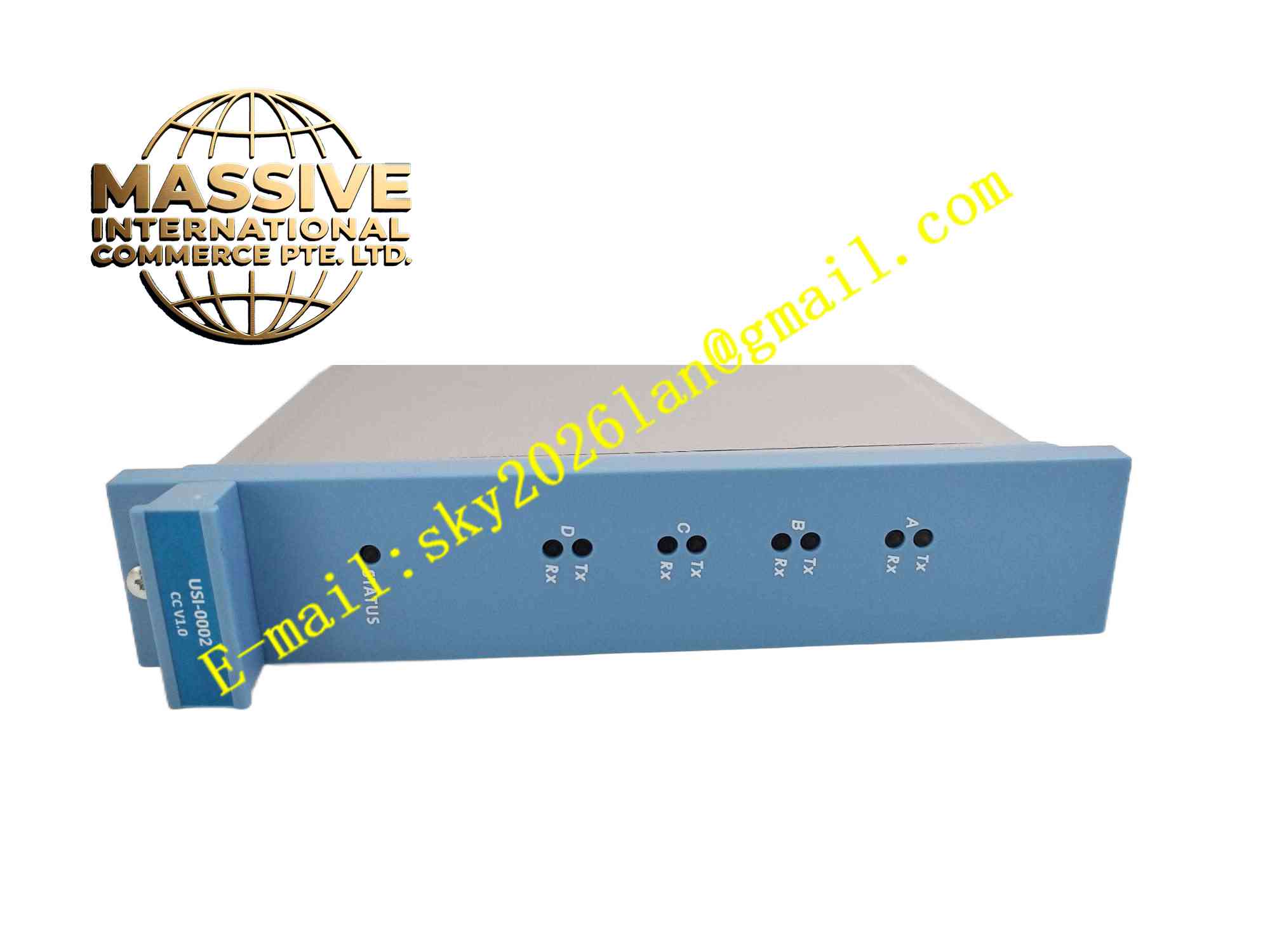
Description
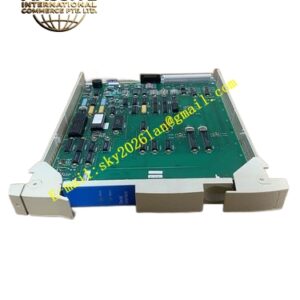
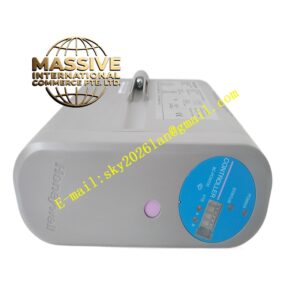
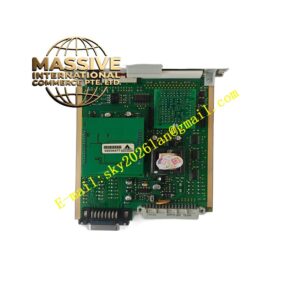
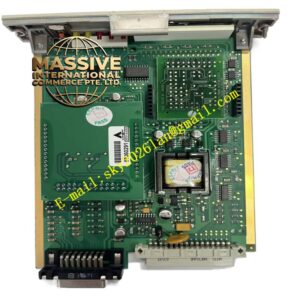
Honeywell USI-0002
Technical Specifications Serial port type: RS485 / RS232 selectable; Communication baud rate range from 300bps up to 115200bps; Operating power supply DC24V; Operating temperature range -20°C to +60°C; Hardware isolation between field side and system side; Supports Modbus RTU, ASCII and custom serial protocols; LED status indicators for power, communication and fault; DIN rail mounting form factor.
Functional Features Built-in hardware electrical isolation eliminates common-mode interference between field equipment and control cabinet; Supports multi-protocol parsing and transparent transmission mode; Real-time diagnostic of serial line break, communication timeout and parity error; Onboard non-volatile memory retains configuration parameters after power loss; Independent microprocessor handles serial protocol processing without occupying main controller computing resources; Supports point-to-point or multi-drop bus connection for field serial instruments.
Application Scenarios Chemical plant DCS serial instrument integration; Oil and gas pipeline monitoring system; Water treatment analyzer serial data collection; Refinery legacy equipment retrofit; Power plant auxiliary equipment serial signal acquisition; Building automation industrial serial gateway application.
Performance Parameters Data transmission response speed is stable; Isolation voltage reaches 1500V AC; Configuration parameters keep stored permanently without battery backup; Continuous long-running communication has zero packet loss under normal wiring; Fault signal upload latency stays fixed.
Material Composition Flame-retardant plastic enclosure; Glass fiber printed circuit board; Isolation transceiver chip; Embedded microcontroller; Screw terminal blocks for power and signal; Surface mount LED indicator lights; Conformal coating on circuit board for anti-corrosion and moisture resistance.
Structural Features Compact DIN rail mounted module; Front panel with LED indicator array; Bottom screw terminals for power input and serial signal wiring; Internal hardware isolation partition separates field circuit and system circuit; Snap-on structure for quick installation and removal on standard DIN rail.
Working Principle After power on, the module loads pre-stored configuration parameters. It receives serial signals from field instruments through RS232 or RS485 interface. The onboard microprocessor parses serial frames, converts raw instrument data into standard process data, and transmits converted data to the upper control system. It receives control commands from upper system, packages the commands into serial frames and sends them to field devices. The module continuously monitors signal quality and triggers fault indication once communication abnormality occurs.
Installation Requirements Mount the module vertically on standard DIN rail inside control cabinet; Use shielded twisted pair cable for serial communication wiring; Single-point grounding for cable shield; Power supply uses regulated DC24V power source; Separate signal cables from high-power power cables to avoid electromagnetic interference.
Precautions for Use Cut off DC24V power before wiring operation; Verify baud rate, parity and address configuration match connected field instruments; Do not install the module in high vibration or high humidity environment; Check terminal screw tightness periodically; Keep communication cable length within the maximum limit corresponding to selected baud rate.