


Description
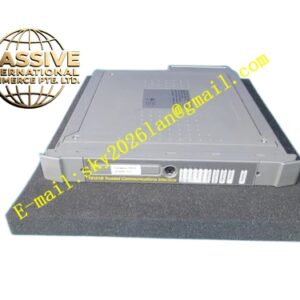
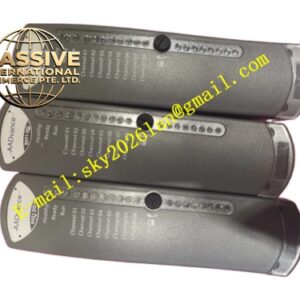
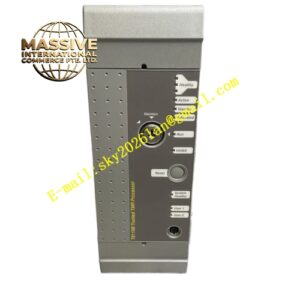
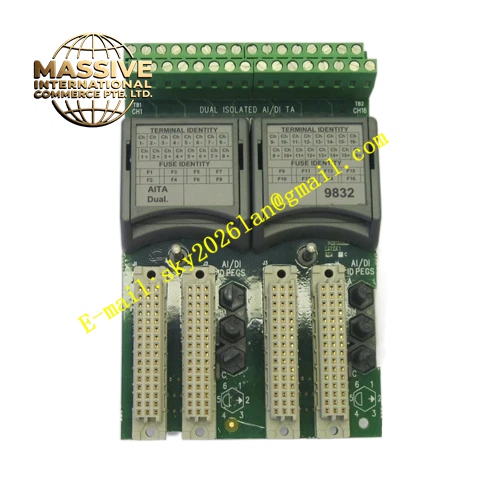
ICS Triplex 56AMXN
Technical Specifications:
- Module Location: ControlLogix chassis
- Function: ControlLogix AutoMax DCS and Remote I/O module
- Processor: 100 MHz IDT MIPS
- Flash Memory: 1 Mbyte (512K x 16)
- Local RAM: 1 Mbyte (256K x 32) 50 MHz synchronous SRAM
- Shared RAM: 512 Kbyte (128K x 32) 20 ns asynchronous SRAM
- Maximum Backplane Current Load: 650 mA at +5.1 Vdc and 75 mA at 24 Vdc
- Power Dissipation: 5 W maximum
- Operating Temperature: 0°C to +60°C (+32°F to +140°F)
- Storage Temperature: -40°C to +85°C (-40°F to +185°F)
- Relative Humidity: 5% to 95% without condensation
- Shock (Unpackaged): 30 g operational, 50 g non-operational
- Vibration (Unpackaged): 2 g from 10-150 Hz
- Series: Series C (compatible with ControlLogix system)
Functional Features:
- Protocol conversion supporting DCSNet and Remote I/O communication protocols
- Configuration through RSLogix 5000 software enabling diagnostic optimization
- Direct insertion into ControlLogix chassis without additional adapters
- 4-character scrolling display providing real-time system status information
- 1 MByte flash memory for efficient data storage and retrieval
- Support for scheduled data of up to 250 input words, 248 output words, and 250 status words
- Requested Packet Interval (RPI) support from 0.2 ms to 750 ms
Application Scenarios:
- Integration of legacy AutoMax systems with modern ControlLogix platforms
- DCSNet network connectivity for distributed control systems
- Remote I/O network interfaces for distributed field devices
- Migration projects upgrading Reliance Electric systems
- Hybrid control system architectures combining old and new technologies
Performance Parameters:
- Data Throughput: 250 input words, 248 output words, 250 status words
- RPI Range: 0.2 ms to 750 ms configurable
- Processing Speed: 100 MHz MIPS processor
- Memory Capacity: 1 MB flash, 1 MB local RAM, 512 KB shared RAM
Material Composition:
- PCB: Multi-layer industrial-grade circuit board
- Housing: Standard ControlLogix module enclosure
- Connectors: ControlLogix backplane connector and network ports
- Display: 4-character scrolling LED display
Structural Characteristics:
- Standard ControlLogix single-slot form factor
- Front-panel status indicators and scrolling display
- Network connection ports on front panel
- Heat sink integrated into module housing
- Keying mechanism preventing incorrect slot insertion
Working Principle: The 56AMXN operates as a protocol gateway within the ControlLogix chassis. The 100 MHz MIPS processor manages communication between the ControlLogix backplane and the AutoMax DCSNet or Remote I/O network. Data from ControlLogix programs is formatted into DCSNet protocol frames for transmission to legacy devices, while incoming network data is translated into ControlLogix tag structures. The shared RAM buffer enables high-speed data exchange between the network processor and the ControlLogix controller.
Installation Requirements:
- Install in approved ControlLogix chassis slot
- Configure through RSLogix 5000 software before operation
- Connect to AutoMax network using appropriate cabling
- Verify module keying matches chassis slot
- Establish proper grounding through chassis installation
Usage Precautions:
- Verify firmware compatibility with ControlLogix controller revision
- Monitor backplane current loading to prevent power supply overload
- Configure RPI settings appropriate for network load
- Do not operate outside specified temperature range
- Follow anti-static handling procedures during installation