


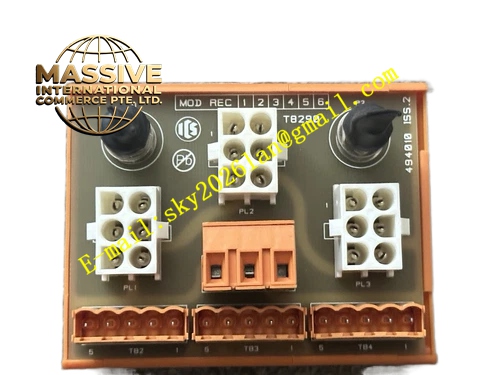
Description
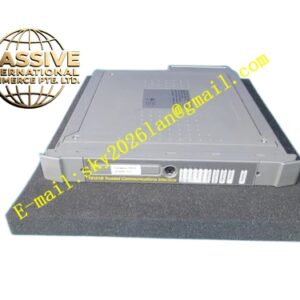
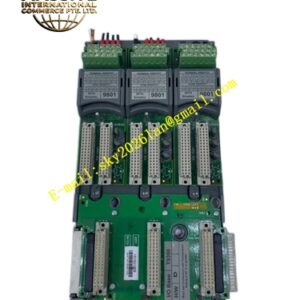
ICS Triplex T3120
Technical Specifications
| Parameter | Specification |
|---|---|
| Manufacturer | ICS Triplex (Rockwell Automation) |
| Product Series | Regent PD6000 System |
| Module Type | Triple Redundant Processor |
| Memory Capacity | 512K |
| Redundancy Architecture | Triple Modular Redundant (TMR) |
| Chassis Compatibility | T3100 rack |
| Input Voltage | 85 VAC ~ 264 VAC (wide range) |
| Operating Temperature | 0°C to 60°C |
| Storage Temperature | -40°C to 85°C |
Functional Features
- Triple Redundant Processing: Three independent processing channels execute identical logic and cross-validate results for fault-tolerant operation
- Large Memory Capacity: 512K memory supports complex safety application programs
- Wide Voltage Input: Accepts 85~264 VAC input, accommodating global power standards without external transformers
- Regent System Integration: Designed specifically for seamless integration with the PD6000 safety control platform
- High-Speed Logic Execution: Optimized processor architecture for deterministic safety logic scanning
Application Scenarios
- Emergency Shutdown (ESD) systems in petrochemical plants
- Safety instrumented systems (SIS) in oil and gas refineries
- Process safety management in chemical processing facilities
- Burner Management Systems (BMS)
- Fire & Gas (F&G) detection and control systems
- Turbomachinery protection systems
Performance Parameters
- Processing Speed: High-speed deterministic execution suitable for safety-critical applications
- Memory Throughput: 512K capacity supports extensive ladder logic and function block programs
- Fault Response: Triple redundant architecture detects and isolates single processor faults automatically
- System Availability: TMR design ensures continuous operation during single-channel failures
Material Composition
- Enclosure: Industrial-grade metal housing with protective finish
- Circuit Board: Multilayer PCB with conformal coating options
- Processor: Industrial-grade microprocessor with extended temperature rating
- Memory: Industrial-grade RAM and Flash memory components
- Connectors: High-reliability backplane connectors
Structural Characteristics
- Standard Regent Form Factor: Designed for installation in T3100 controller chassis
- Backplane Interface: Proprietary high-speed backplane connection to I/O and communication modules
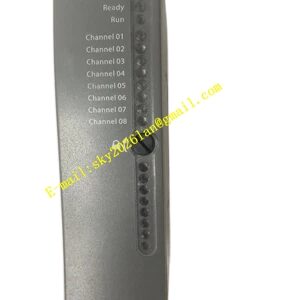
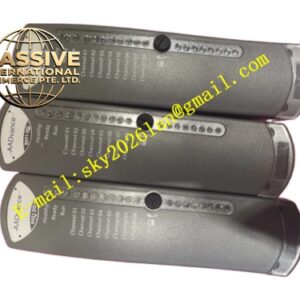
- Front-Panel Indicators: Status LEDs for processor health, redundancy status, and fault indication
- Mechanical Keying: Prevents incorrect insertion into non-processor slots
Working Principle
Three independent processor channels within the T3120 simultaneously execute the same safety application logic. Each channel reads inputs, performs calculations, and generates outputs independently. A hardware voter compares the three output sets and forwards the majority result to the system output modules. If one processor channel fails, the voter detects the discrepancy and continues system operation using the remaining two healthy channels.
Installation Requirements
- Install in the designated processor slot of the T3100 chassis
- Connect redundant power supplies within the specified voltage range
- Ensure proper chassis grounding before powering the system
- Verify all three processor channels synchronize correctly during startup
- Maintain environmental conditions within specified temperature and humidity ranges
Operating Precautions
- Monitor processor status LEDs for fault indication
- Maintain all three processor channels for full TMR redundancy
- Replace failed processor modules promptly to restore fault tolerance
- Perform regular proof testing to verify TMR voting integrity
- Back up application programs before performing maintenance
- Follow electrostatic discharge procedures when handling modules