


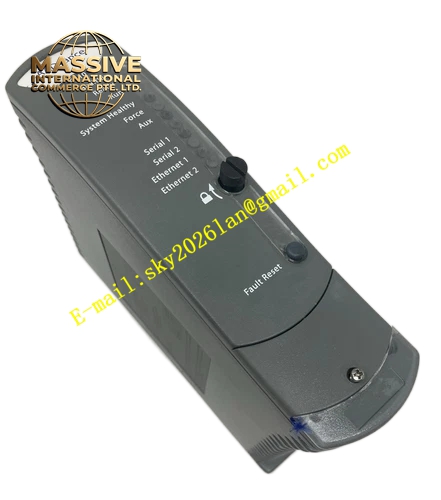
Description
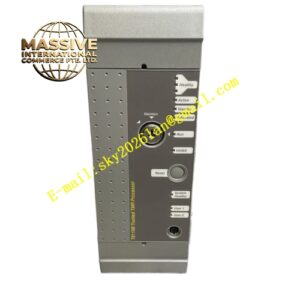
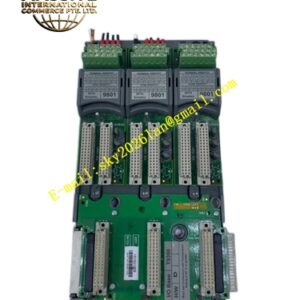
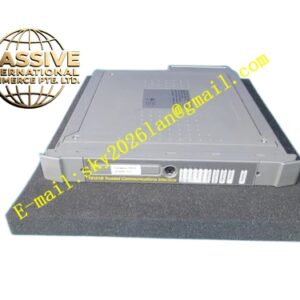
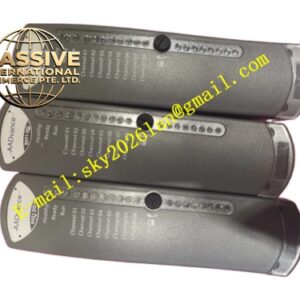
ICS Triplex T3300
Technical Specifications
| Parameter | Specification |
|---|---|
| Manufacturer | ICS Triplex (Rockwell Automation) |
| Product Series | Regent System |
| Product Type | I/O Chassis |
| Form Factor | 19-inch rack-mountable |
| Module Capacity | Multiple I/O module slots (typically 10 slots, Slots 4–13 for I/O modules) |
| Backplane Power | +15 V DC bus for module power |
| Operating Temperature | 0°C to 60°C |
| Storage Temperature | -40°C to 85°C |
Functional Features
- 19-Inch Standard Rack Mounting: Compatible with standard industrial control cabinets and enclosures
- Multi-Slot Backplane: Provides high-speed backplane communication and power distribution for all installed I/O modules
- Modular I/O Architecture: Supports flexible configuration of digital input, digital output, analog input, and analog output modules
- Robust Mechanical Design: Heavy-duty metal construction ensures long-term reliability in industrial environments
- Power Distribution: Integrated +15 V DC power bus supplies operating power to all installed modules
- Standardized Slot Layout: Consistent slot numbering and keying prevent incorrect module installation
Application Scenarios
- Distributed I/O subsystems in large-scale process control
- Safety instrumented system I/O aggregation
- Remote I/O installations in petrochemical facilities
- Power generation plant signal conditioning racks
- Oil and gas pipeline monitoring stations
- Chemical plant field device interface cabinets
Performance Parameters
- Backplane Bandwidth: High-speed parallel backplane supports real-time I/O data exchange
- Power Capacity: Sufficient +15 V DC current capacity for fully loaded chassis configuration
- Signal Integrity: Optimized backplane trace routing minimizes noise and crosstalk
- Mechanical Rigidity: Chassis construction maintains alignment under vibration and shock
Material Composition
- Chassis Frame: Heavy-gauge steel with industrial powder-coat finish
- Backplane PCB: Multilayer printed circuit board with heavy copper power planes
- Connectors: High-density DIN41612 or proprietary backplane connectors
- Card Guides: Metal card guides ensure precise module alignment
Structural Characteristics
- 19-Inch Rack Width: Standard 482.6 mm width for industrial cabinet installation
- Vertical Card Orientation: Modules insert vertically into the chassis from the front
- Rear Cable Access: Field wiring connections route to the rear of the chassis
- Front Panel Alignment: Installed modules present a uniform front panel appearance
- Grounding Studs: Chassis grounding points provided for safety and EMI compliance
Working Principle
The T3300 chassis provides the physical and electrical foundation for the Regent I/O subsystem. The backplane distributes DC power to all module slots and provides parallel data paths for I/O data exchange between modules and the controller. Each slot is electrically connected to the system power supply and communication bus. The chassis metalwork provides electromagnetic shielding and mechanical protection for the sensitive electronic modules installed within.
Installation Requirements
- Mount in a standard 19-inch industrial rack using appropriate mounting hardware
- Ensure adequate clearance for front module insertion and rear cable access
- Connect system ground to the chassis grounding stud
- Install the chassis in a location with adequate ventilation
- Connect the +15 V DC power supply to the chassis power input
Operating Precautions
- Do not operate the chassis with empty slots unless blank modules are installed
- Ensure all modules are fully seated in the backplane connectors
- Maintain proper cabinet ventilation to prevent overheating
- Verify power supply capacity before fully loading the chassis
- Inspect backplane connectors for damage before installing modules
- Keep the chassis interior clean and free of debris