


Description
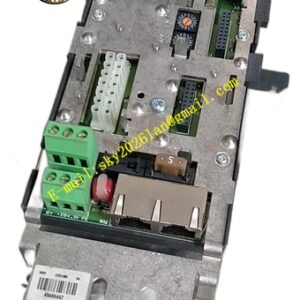
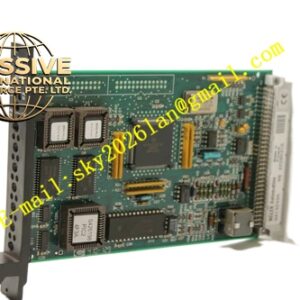
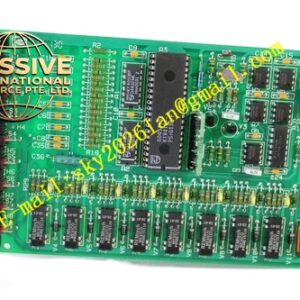
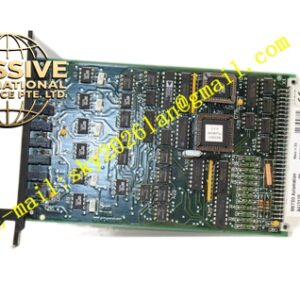
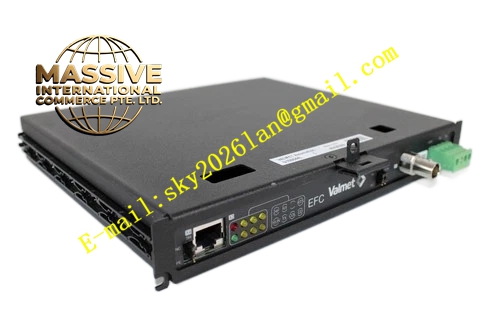
METSO D200137
Technical Specifications:
- Brand: METSO
- Model: D200137
- Product Type: Servo Drive Module
- Control Type: Servo motor control
- Communication Interfaces: Ethernet, Modbus, CAN
- Operating Voltage: 24VDC/48VDC
- Operating Temperature: -20°C to 60°C
- Relative Humidity: 5% to 95%, non-condensing
- Protection Rating: IP20
- Mounting Method: DIN rail mounting
Functional Features:
- Precise Motor Control: Achieves accurate control of servo motors ensuring smooth operation and precise positioning
- Advanced Control Algorithms: Fast response to control commands with precise speed and position output
- Multi-Protocol Communication: Supports Ethernet, Modbus, CAN for seamless system integration
- Comprehensive Protection: Includes overcurrent, overvoltage, undervoltage protection
- Safety Functions: Emergency stop and safe position locking capabilities
- Programmability: User-configurable for specific application requirements
- Multi-Axis Control: Capable of controlling multiple servo motors or actuators simultaneously
- Fault Detection and Diagnostics: Built-in diagnostic functions for timely problem identification
Application Scenarios:
- Machine automation systems
- Robot control applications
- Printing machinery
- CNC machine tools
- Aircraft control systems
- Packaging equipment
- Textile machinery
- Material handling systems
Performance Parameters:
- Control Precision: High-precision position and speed control
- Response Time: Fast dynamic response
- Communication Speed: Standard industrial communication rates
- Operating Temperature: -20°C to 60°C
- Mean Time Between Failures: Industrial-grade reliability
- Protection Level: Multiple protection mechanisms
Material Composition:
- Industrial-grade printed circuit board
- High-performance servo control chips
- Precision power electronic components
- Flame-retardant engineering plastic housing
- Gold-plated connection terminals
- Triple-proof protective coating
Structural Features:
- Compact modular design
- Front and rear wiring terminal design
- Multi-color LED status indicators
- Heat dissipation vent design
- DIN rail mounting clips
- Module identification labels
- Protective housing
Working Principle:
The D200137 servo drive module receives control commands from the upper control system via communication interfaces. It processes these commands using advanced control algorithms to generate appropriate drive signals for servo motors. The module continuously monitors motor feedback signals including position, speed, and current, adjusting output in real-time to achieve precise motion control. Built-in protection circuits safeguard against abnormal conditions such as overcurrent, overvoltage, and undervoltage, ensuring system safety and reliability.
Installation Requirements:
- Install on standard DIN rail
- Ensure adequate ventilation in control cabinet
- Follow wiring specifications for motor and power connections
- Implement proper signal shielding and grounding
- Maintain appropriate spacing between modules for heat dissipation
- Avoid installation near strong electromagnetic interference sources
- Ensure ambient temperature remains within specified operating range
Usage Precautions:
- Installation and commissioning should be performed by qualified technical personnel
- Strictly follow wiring diagrams during installation
- Regularly inspect module operating status
- Keep module surface clean
- Avoid use in excessively humid or corrosive environments
- Record and address faults promptly when detected
- Perform regular motor parameter calibration
- Maintain system parameter backups