


Description
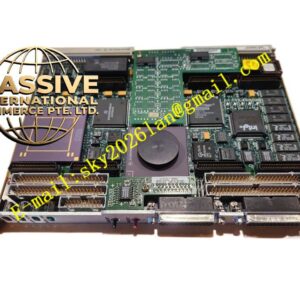
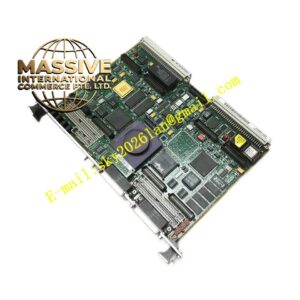
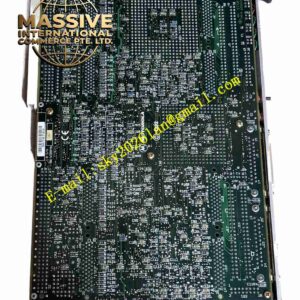
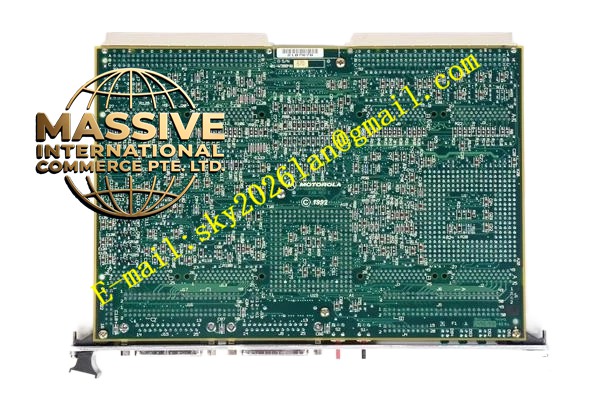
Motorola MVME147-011
Technical Specifications:
- Brand: Motorola
- Model: MVME147-011
- Processor: MC68030 Enhanced 32-bit Microprocessor (25 MHz)
- Coprocessor: MC68882 Floating-Point Unit
- Memory: 4MB to 32MB Shared DRAM with programmable parity
- Bus Interface: A32/D32 VMEbus Master/Slave with System Controller function
Functional Features:
- High Integration: Onboard SCSI controller, Ethernet transceiver, four EIA-232-D serial ports, and a Centronics printer port.
- On-Chip Cache: The MC68030 features separate instruction and data caches, boosting processing efficiency by 20% to 40%.
- Comprehensive Debugging: Includes onboard MVME147Bug diagnostic firmware with an assembler/disassembler.
Application Scenarios:
Industrial process control, Distributed Control Systems (DCS), scientific instrumentation, and defense applications.
Performance Parameters:
- Serial Ports: 4x RS-232C
- Storage Interface: SCSI bus with DMA
- VME Support: 4-level requester, 7-level interrupter
Material Composition:
Industrial-grade FR4 PCB with high-reliability components tested for continuous operation in 0°C to 55°C forced-air environments.
Structural Characteristics:
Standard VME form factor with P1/P2 connectors and front-panel diagnostic LEDs and reset/abort buttons.
Working Principle:
Upon power-up, the EPROM-resident MVME147Bug firmware performs hardware diagnostics and boot loading. The system then loads an RTOS to manage real-time tasks and VME bus communications.
Installation Requirements:
Insert into the VME chassis ensuring P1/P2 connectors are fully seated. Use transition modules for external peripheral connections.
Precautions for Use:
Adequate chassis airflow is mandatory. When upgrading memory, ensure third-party modules are compatible with the motherboard’s timing requirements.