


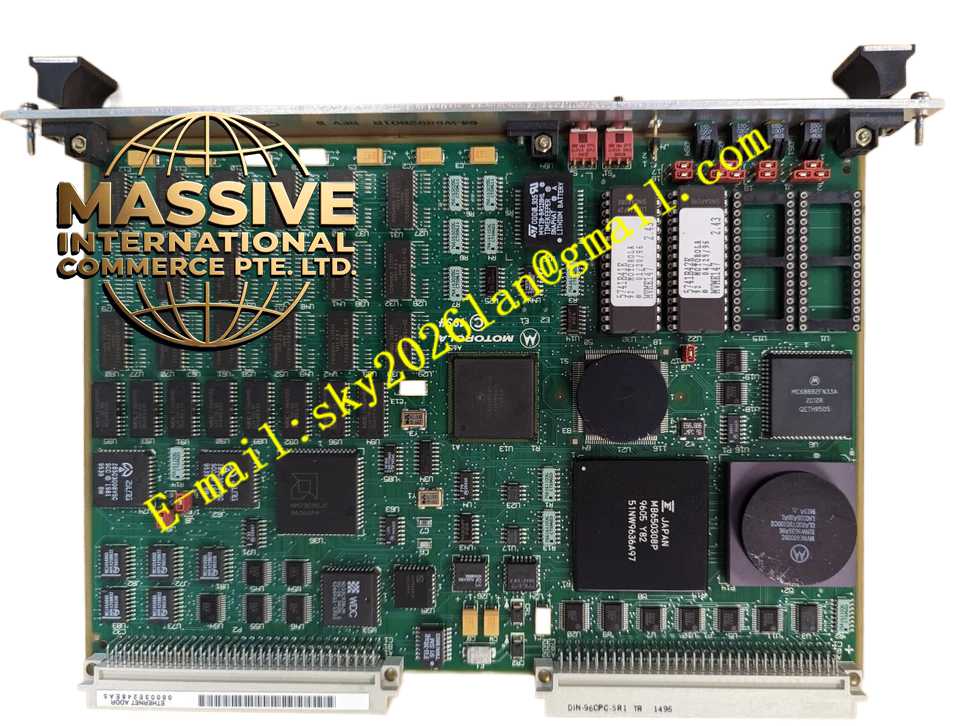
Description
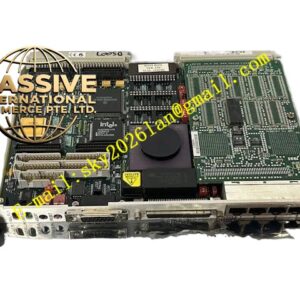
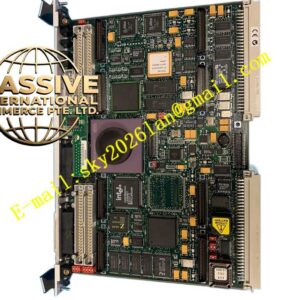
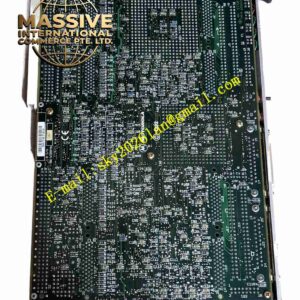
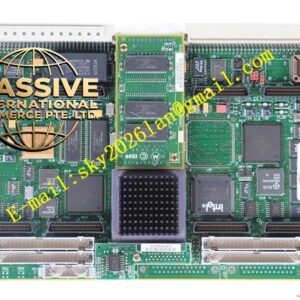
Motorola MVME2700-1321
Technical Specifications
- Processor: 266 MHz MPC750-class 32-bit microprocessor
- L1 Cache: 32KB instruction / 32KB data cache
- L2 Cache: 1MB backside cache
- Memory: 16MB ECC DRAM
- Flash Memory: 5MB on-board Flash
- VMEbus Interface: VME64 master/slave
- I/O Transition Module: MVME761
- Front Panel: IEEE 1101 compatible with injector/ejector handles
- Serial Ports: Two or three async, one or two sync/async
- Ethernet: 10BaseT/100BaseTX with PCI DMA
- SCSI: Fast SCSI-2 interface
- NVRAM: 8KB with battery-backed TOD clock
- Timers: Four 32-bit plus watchdog
Key Features
- 266 MHz MPC750 for enhanced processing speed
- 1MB backside L2 cache
- 16MB ECC DRAM with error correction
- 5MB Flash memory
- MVME761 I/O transition module
- IEEE 1101 front panel
- On-board debug monitor
- PMC expansion capability
Application Scenarios Small-to-medium industrial control, embedded network devices, data acquisition front-ends, military communication terminals, test equipment, automation controllers
Performance Parameters
- Processor Clock: 266 MHz
- L1 Cache: 32KB + 32KB
- L2 Cache: 1MB
- Memory: 16MB ECC DRAM
- Flash: 5MB
- Ethernet: 10/100Base-TX
- SCSI: Fast SCSI-2
Material Composition Industrial-grade multi-layer PCB. High-quality components selected for 266 MHz operation. Gold-plated connectors for reliable connections. IEEE 1101 front panel from durable aluminum.
Structural Characteristics Standard 6U VME dimensions. IEEE 1101 front panel with handles. LED status indicators. P2 connector for MVME761. DRAM mezzanine connector for future memory upgrades.
Working Principle The 266 MHz MPC750 executes instructions with improved throughput over 233 MHz variants. The 1MB L2 cache and 16MB ECC DRAM provide balanced performance. The PowerPlus Architecture ASICs optimize all data paths.
Installation Requirements Standard VME64 chassis with adequate cooling for 266 MHz operation. Ensure P2 backplane supports MVME761. Verify 16MB memory meets application requirements.
Usage Notes 16MB memory is sufficient for many embedded applications but should be evaluated for specific needs. Monitor ECC status. The 5MB Flash requires careful management of firmware storage.