


Description
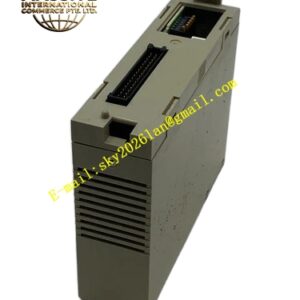
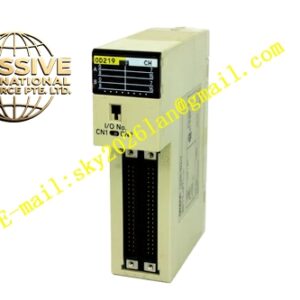
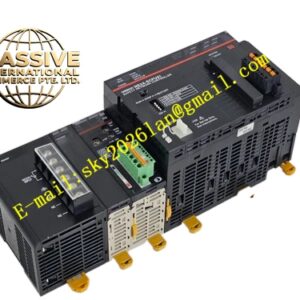
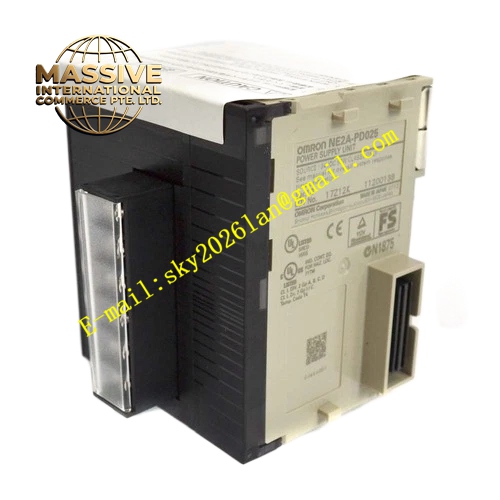
OMRON NE2A‑PD025
Technical Specifications: DC input voltage range DC19.2‑28.8V; maximum total output power 25W; DC5V backplane output rated current 5.0A; auxiliary DC24V output current 0.8A; maximum power consumption 50W; cold‑start inrush current limited to 30A / 20 ms maximum; operating temperature 0‑55°C; storage temperature ‑20‑75°C; operating humidity 10‑90%RH without condensation; dielectric strength 1000V AC for 1 minute between DC external terminals and protective ground; insulation resistance ≥20MΩ measured at 500V DC; weight 340g; rack‑slot installation; dedicated power‑status LED indicator; CE and cULus industrial compliance certifications.
Functional Features: Supplies stable regulated DC bus power for full NE2A‑series safety main rack; built‑in hardware overload and short‑circuit protection that cuts off backplane output upon fault detection; front‑panel LED power indicator directly reflects real‑time operating state; integrated EMI suppression circuit mitigates industrial power‑line noise interference; rack‑slot mechanical structure realizes fast physical connection with NE2A backplane bus; full compatibility with all standard NE2A‑series CPU, I/O and communication hardware modules.
Application Scenarios: DC‑powered NE2A safety‑controller main rack power supply; industrial automation safety cabinets equipped with 24V DC field power infrastructure; safety‑related machinery control systems; spare‑part replacement for legacy NE2A safety automation installations; mobile safety automation equipment powered by DC power sources.
Performance Parameters: Complies with IEC61000‑4‑4 noise‑immunity standard, with 2kV surge resistance on power input lines; vibration‑resistance performance complies with IEC60068‑2‑6; shock‑resistance performance complies with IEC60068‑2‑27; supports continuous 24‑hour cabinet‑internal operation; protection hardware executes rapid response under overload and short‑circuit fault events.
Material Composition: Main housing manufactured from black V0 flame‑retardant engineering plastic; internal FR‑4 flame‑retardant glass‑fiber power‑grade printed‑circuit board; brass nickel‑plated screw‑type input terminals; gold‑plated spring contact strips for backplane interconnection; high‑efficiency switching‑mode power electronic components; high‑brightness LED status indicator.
Structural Features: Standard rack‑slot form factor; screw‑type DC input terminals arranged on front housing surface; power‑status LED mounted on front panel; gold‑plated elastic contact strips on rear face interface with rack backplane bus; locking latches fitted on both sides secure module firmly into rack slot; top housing surface features heat‑dissipation ventilation grilles.
Working Principle: External DC24V power feeds into module input terminals. Input energy passes through EMI filter circuit and DC‑DC conversion circuit to generate stabilized DC5V and auxiliary DC24V power. Electric power distributes to all rack‑mounted modules through rear‑side gold‑plated spring contacts. Internal current‑sensing circuit continuously monitors output load condition. When overload or short‑circuit conditions occur, hardware protection activates to limit or shut down backplane output and protect downstream safety‑controller hardware.
Installation Requirements: Must be mounted on the absolute leftmost slot of ‑series safety main rack; secure main rack onto standard cabinet DIN rail; reserve sufficient heat‑dissipation clearance around module and never block top ventilation grilles; select input power cables with adequate conductor cross‑sectional area; implement reliable protective cabinet grounding with grounding resistance below 100Ω; physically separate power‑input cables from high‑power motor and inverter cables.
Usage Notes: Total power consumption of all modules fitted on main rack shall never exceed 25W rated output capacity; hot‑swap operation for this power unit is strictly prohibited; confirm input DC voltage level before system power‑on; this unit cannot be deployed for ‑series expansion I/O racks; operation within environments containing corrosive gas or condensation is forbidden; perform periodic inspection for terminal‑screw fastening torque.