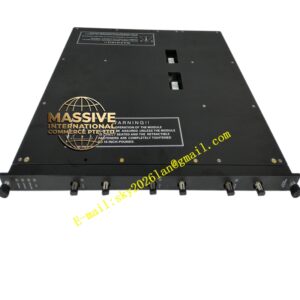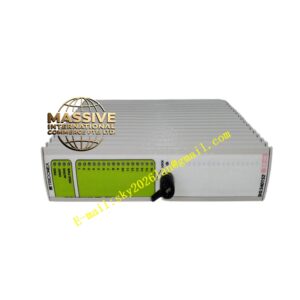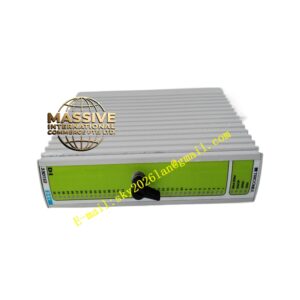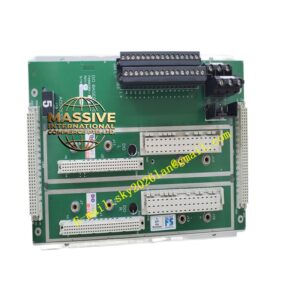



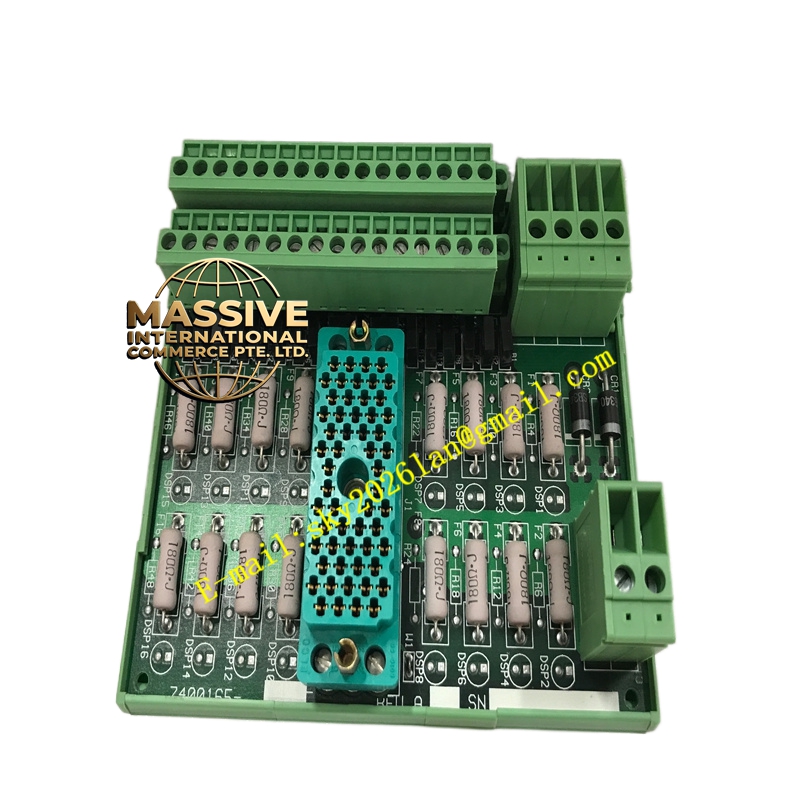
Description
Triconex 9761-210 Technical Specifications:
- Architecture: Triple Modular Redundant (TMR) communication pathway.
- Data Bus: High-speed, deterministic backplane or fieldbus communication interface.
- Redundancy: Dual or triple redundant communication links for maximum availability.
- Protocol: Proprietary Triconex safety communication protocol with advanced error checking.
- Update Rate: Sub-millisecond I/O scan and communication update times.
Functional Features:
- Fault-Tolerant Data Transfer: Continuously validates data integrity across redundant channels; if a communication fault is detected, the system seamlessly isolates the faulty path.
- High-Speed Processing: Capable of executing thousands of I/O updates per second to support rapid safety trip logic.
- Advanced Diagnostics: Provides real-time, granular diagnostics on communication link health, signal-to-noise ratios, and synchronization status.
- Hot-Swappable: Designed to be replaced while the system is online and operating, without interrupting the safety process.
Application Scenarios:
- Emergency Shutdown Systems (ESD) in offshore platforms and refineries.
- Fire and Gas (F&G) detection and mitigation systems.
- Burner Management Systems (BMS) in industrial boilers.
- Critical infrastructure where communication loss equates to a hazardous condition.
Performance Parameters:
- Latency: Extremely low and deterministic communication latency to ensure predictable safety response times.
- Availability: 99.9999% availability due to redundant communication paths and TMR voting.
- Error Detection: Advanced Cyclic Redundancy Check (CRC) and message sequencing to detect and reject corrupted data packets.
Material Composition & Structural Characteristics:
- PCB Assembly: Multi-layer printed circuit board with controlled impedance traces to maintain signal integrity at high frequencies.
- Connectors: High-density, gold-plated backplane connectors designed for thousands of insertion/extraction cycles.
- Enclosure: Ruggedized metal and composite housing providing EMI/RFI shielding and mechanical rigidity.
Working Principle: The 9761-210 receives data packets from the main TMR processors and routes them to the appropriate I/O modules. It operates in parallel across three independent channels. The module constantly compares the data streams; if one channel experiences a communication glitch, the TMR voting logic discards the erroneous data and continues operation using the two healthy channels, triggering a maintenance alarm.
Installation Requirements:
- Slot Assignment: Install strictly in designated communication slots within the Triconex chassis.
- Backplane Integrity: Inspect the backplane connectors for bent pins or debris before inserting the module.
- Seating: Firmly engage the extraction levers to ensure all backplane pins make proper contact.
- Configuration: Configure the module’s node address and communication parameters using the Triconex TriStation software before placing the system in run mode.
Usage Precautions:
- System State: Verify system redundancy status before performing any online maintenance or module replacement.
- Firmware Matching: Ensure the module’s firmware revision exactly matches the rest of the TMR system to prevent communication faults.
- Cable Routing: Keep communication cables strictly separated from high-voltage power cables to prevent induced noise.
- Diagnostics: Act immediately on any communication degradation alarms to restore full system redundancy.