


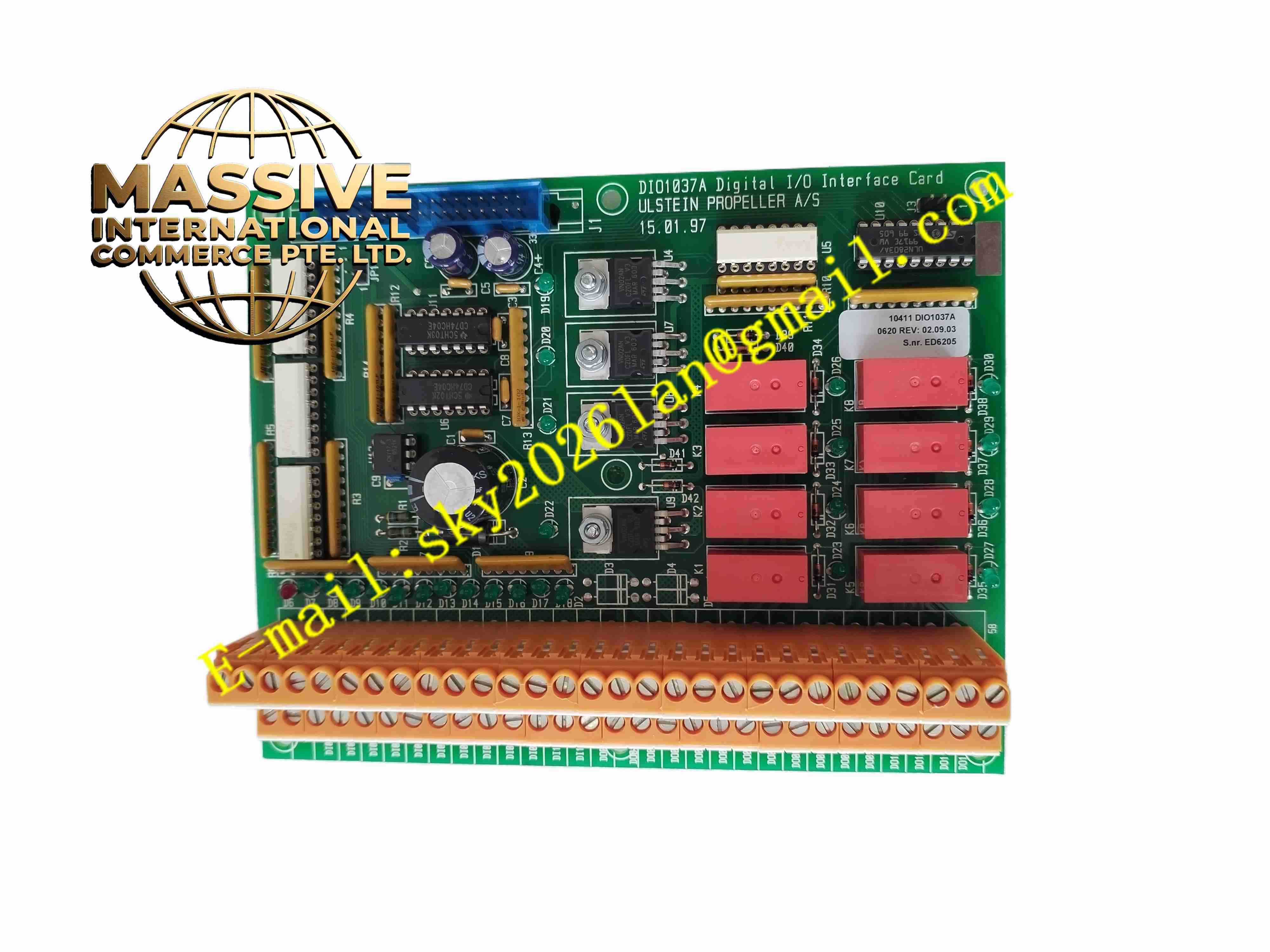
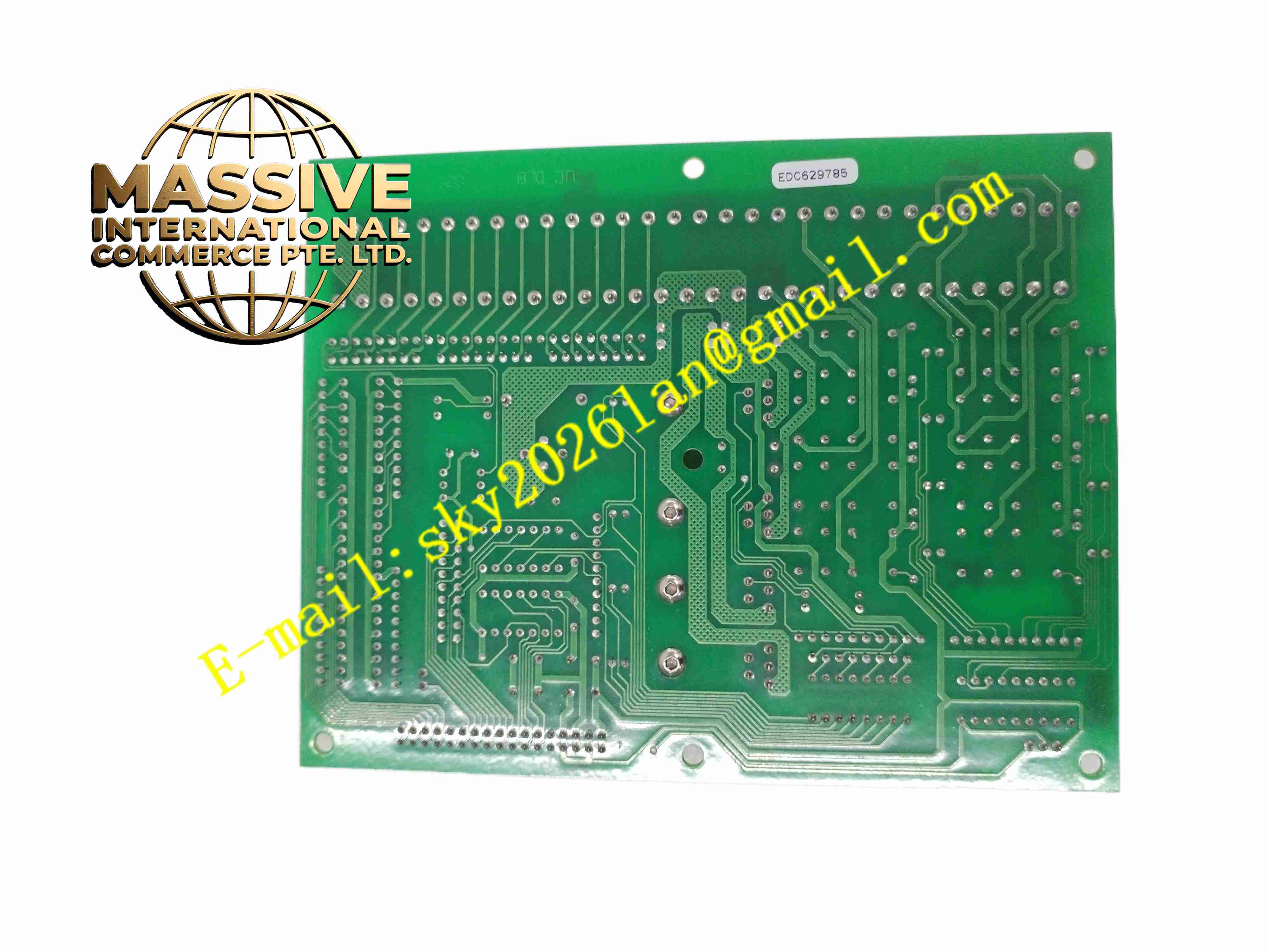
Description
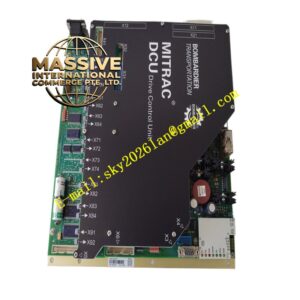
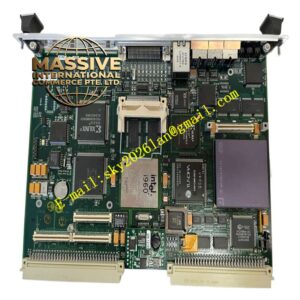
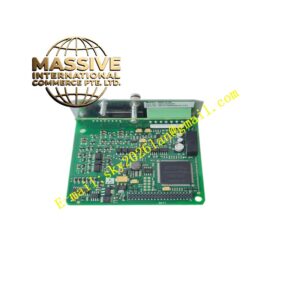
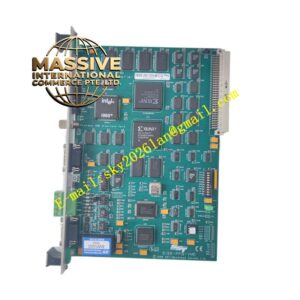
Ulstein Propeller DIO1037A
Technical Specifications
Brand: Ulstein Propeller
Product Type: Digital I/O Interface Module
Mounting Type: DIN rail or panel-mounted in marine control cabinet
Supply Voltage: 24 V DC (typical for marine control systems)
Digital Inputs: Multiple discrete input channels for sensor and switch signals
Digital Outputs: Multiple discrete output channels for relay and valve control
Input Signal Type: Dry contact or voltage-free contact, 24 V DC logic level
Output Signal Type: Relay output or transistor output, 24 V DC
Communication Interface: Backplane or fieldbus connection to main propulsion controller
Protection Rating: IP20 (when installed in control cabinet)
Operating Temperature: 0°C to 55°C (32°F to 131°F)
Storage Temperature: -20°C to 70°C (-4°F to 158°F)
Relative Humidity: 5% to 95% (non-condensing)
Certification Standards: DNV, IEC 60945 compliant for marine applications
Functional Features
Signal Isolation: Provides galvanic isolation between field circuits and the control system to protect against voltage spikes and ground loops
Discrete Input Monitoring: Reads status signals from limit switches, pressure switches, temperature sensors, and position feedback devices
Discrete Output Control: Drives relays, solenoid valves, alarm indicators, and auxiliary equipment based on controller commands
LED Status Indication: Front-panel LEDs show input/output channel status for quick visual diagnostics
Fault Detection: Monitors for open circuit, short circuit, and overload conditions on output channels
Configurable Logic: Input and output behavior configurable through the propulsion control system software
Marine-Grade Construction: Designed to withstand vibration, humidity, and temperature variations typical of marine environments
Modular Design: Standard form factor for easy replacement and maintenance in shipboard control cabinets
Application Scenarios
Azimuth Thruster Control: Interface module for thruster control cabinets on offshore support vessels and subsea construction ships
Tunnel Thruster Systems: I/O interfacing for bow and stern thruster control systems
Dynamic Positioning Systems: Signal interface for DP-controlled vessel propulsion equipment
Marine Propulsion Plants: Integration into main propulsion control systems for merchant vessels
Offshore Installation Vessels: Control system component for precision positioning and propulsion operations
Subsea Support Vessels: Propulsion control interface for ROV support and subsea construction vessels
Performance Parameters
Input Response Time: Millisecond-level detection of input signal changes
Output Switching Time: Fast relay or transistor switching for timely actuator response
Channel Count: Multiple discrete I/O channels per module for comprehensive system interfacing
Isolation Voltage: Galvanic isolation rated for marine electrical environment protection
Reliability: Designed for continuous operation in marine propulsion applications with high availability requirements
Material Composition
Industrial-grade printed circuit board with surface-mounted electronic components, optocouplers or isolation transformers for signal isolation, relay or transistor output stages, input conditioning circuitry with filtering components, aluminum or reinforced polymer housing, flame-retardant materials compliant with marine safety standards, gold-plated connector pins for corrosion-resistant signal transmission
Structural Features
Compact modular form factor for DIN rail or panel mounting, front-panel LED indicators for each input and output channel, screw terminal blocks or pluggable connectors for field wiring, backplane or ribbon cable connector for communication with the main controller, mounting hardware for secure installation in marine control cabinets, passive cooling design suitable for enclosed cabinet environments, clearly labeled terminals for easy wiring and maintenance
Working Principle
The DIO1037A operates as an interface between the Ulstein Propeller control system and external field devices. Digital input channels receive signals from sensors, switches, and feedback devices connected to the propulsion system. These signals are conditioned, filtered, and isolated before being transmitted to the main propulsion controller via the internal communication bus. The controller processes the input data and generates output commands, which are sent to the DIO1037A. The module then activates the appropriate output channels, driving relays, solenoid valves, or indicator lights to execute the required propulsion control actions. The module continuously monitors its own health and the status of connected field circuits, reporting any faults to the control system for operator awareness.
Installation Requirements
Verify the module is undamaged and all accessories are complete before installation
Mount the module securely in the designated location within the marine propulsion control cabinet using appropriate DIN rail or panel mounting hardware
Ensure adequate ventilation around the module to maintain operating temperature within specified limits
Connect field wiring to the terminal blocks following the wiring diagram provided in the Ulstein Propeller documentation
Connect the module to the main propulsion controller via the designated communication interface
Verify that the supply voltage is 24 V DC and within acceptable tolerances before powering the system
Ensure proper grounding of the module and the control cabinet in accordance with marine electrical standards
Configure input and output channel parameters using the propulsion control system software before commissioning
Perform functional testing of all I/O channels during system commissioning
Usage Precautions
Ensure all field wiring is properly terminated and insulated before applying power
Do not exceed the rated voltage and current limits of the input and output channels
Regularly check the LED indicators for any abnormal conditions or fault indications
Keep the module clean and free of salt spray, dust, and moisture accumulation
Handle the module with care during installation to avoid damage to connectors and electronic components
Follow proper lockout/tagout procedures when working on energized marine electrical systems
Refer to the official Ulstein Propeller documentation for detailed wiring, configuration, and troubleshooting procedures
Contact Ulstein Propeller technical support for application-specific guidance and spare parts
Use only genuine Ulstein Propeller replacement modules to ensure compatibility and reliability