


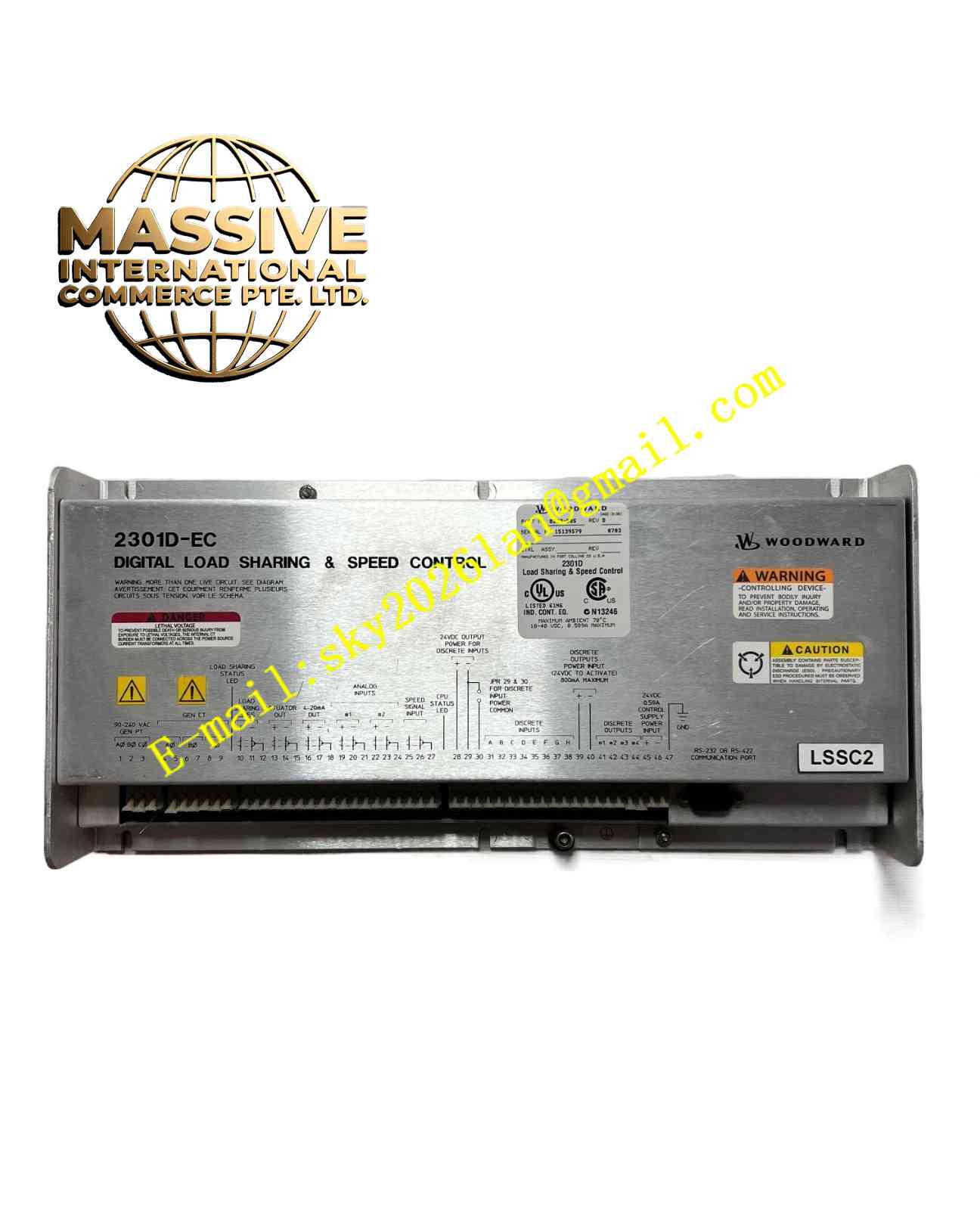
Description
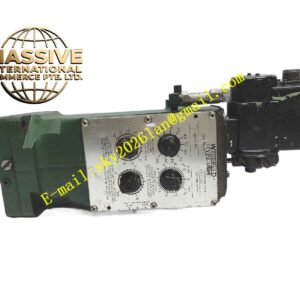
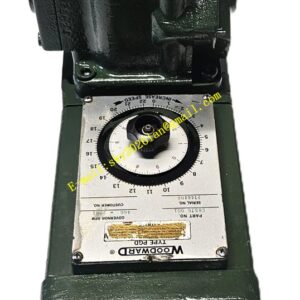
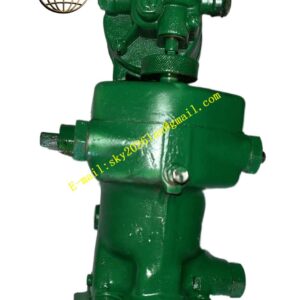
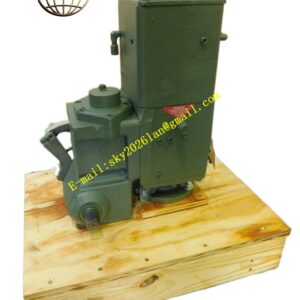
Woodward 505D
Technical Specifications
- System Type: Microprocessor-based digital governor.
- Actuator Compatibility: Single or split-range actuators.
- Communication: Multiple serial interfaces supporting ASCII or RTU (RS-232, RS-422, RS-485).
- Display: Two-line, 24-character display with a 30-key touch keyboard.
Functional Features
- Versatile Control: Controls speed, power, inlet/exhaust pressure, and process parameters for pumps or compressors.
- Advanced Configurations: Supports 13 pre-programmed modules including cascade control, auxiliary control, and communication.
- Flexible I/O: Features 6 analog inputs, 16 contact inputs, and 8 relay outputs for comprehensive system integration.
- User Modes: Operates in Program (configuration), Run, and Service modes, protected by customizable password levels.
Application Scenarios
Extensively deployed in industrial steam turbine applications driving synchronous generators, centrifugal compressors, and mechanical pumps in power generation and petrochemical plants.
Performance Parameters
- Processor Output: Dual actuator outputs configurable for 4–20 mA or 20–160 mA.
- Reliability: High-integrity digital processing with dedicated trip and alarm relays.
Material Composition
Housed in a robust metal enclosure designed for panel or rack mounting, featuring industrial-grade printed circuit boards and high-reliability electronic components.
Structural Characteristics
- Form Factors: Available in panel-mounted (approx. 40N) and rack-mounted (approx. 98N) configurations.
- Environmental Tolerance: Panel-mount operates from -25°C to 65°C; rack-mount operates from -20°C to 60°C.
- Safety Certifications: UL/CAL certified for use in Class 1, Division 2, Groups A, B, C, and D hazardous locations.
Working Principle
The 505D continuously monitors turbine parameters via analog and discrete inputs. Its internal microprocessor executes PID control algorithms to adjust actuator outputs, maintaining precise speed or pressure setpoints while communicating with DCS systems via serial networks.
Installation Requirements
- Wiring: All I/O connections are made via cage-clamp terminal boards on the back of the unit. Rack-mounted units require wiring through bottom sealed glands.
- Configuration: Jumpers must be set according to the specific application requirements as detailed in the manufacturer’s manual.
Usage Precautions
- ESD Protection: Strictly observe electrostatic discharge precautions when handling internal circuit boards.
- Password Security: Access to Program and Service modes requires passwords to prevent unauthorized modifications.
- Emergency Shutdown: Always be prepared to perform an emergency manual shutdown during initial startup to protect against overspeed.