


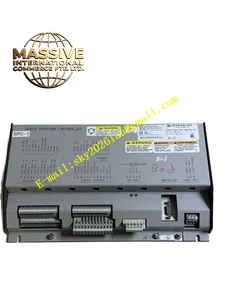
Description
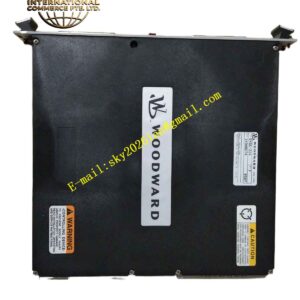
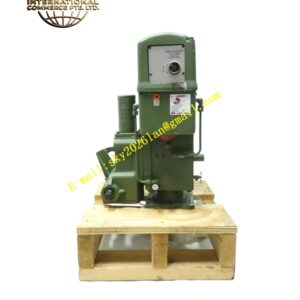
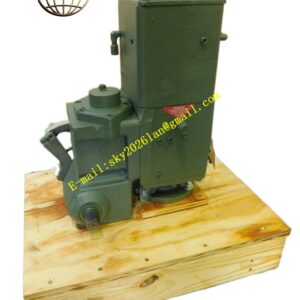
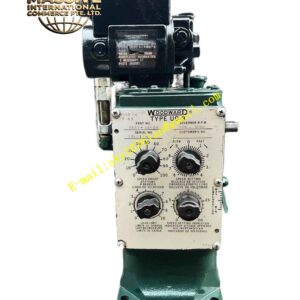
Woodward 8200-224
Technical Specifications
- Type: Electrohydraulic servo actuator.
- Input Signal: Standard 4-20 mA or 0-10 VDC control signal.
- Feedback: Integrated LVDT (Linear Variable Differential Transformer) for closed-loop position control.
- Force/Torque: High output force suitable for high-pressure valve applications.
Functional Features
- High Accuracy: Precise positioning with minimal hysteresis and deadband.
- Fail-Safe Design: Includes internal springs or accumulators to drive the valve to a safe position (open or close) upon loss of power or signal.
- Integrated Electronics: Built-in servo amplifier and LVDT excitation/demodulation.
- Ruggedness: Sealed construction for harsh industrial environments.
Application Scenarios
Used on gas turbine fuel control valves, steam turbine stop valves, and compressor anti-surge valves.
Performance Parameters
- Frequency Response: High bandwidth for rapid load rejection and startup capabilities.
- Linearity: Typically better than ±0.5% of full stroke.
Material Composition
Hardened steel internal components for wear resistance. Cast iron or stainless steel housing. High-performance seals compatible with hydraulic oil or resistant to ambient conditions.
Structural Characteristics
Cylindrical or rectangular body with a protruding pushrod. Features an electrical connector and hydraulic ports. Mounting flange for secure attachment to the valve.
Working Principle
The internal servo valve meters hydraulic oil to a piston based on the error between the command signal and the LVDT feedback. This closed-loop action ensures the valve stem is exactly where the controller demands.
Installation Requirements
Mechanically link the actuator to the valve stem ensuring no binding. Electrically, use twisted-pair shielded cable for the feedback and command signals. Bleed air from hydraulic lines before commissioning.
Usage Precautions
- Never force the actuator manually against its limits.
- Check hydraulic oil cleanliness if using a hydraulic variant; contamination is the primary cause of failure.
- Verify fail-safe direction matches the process safety requirements before startup.