



Description
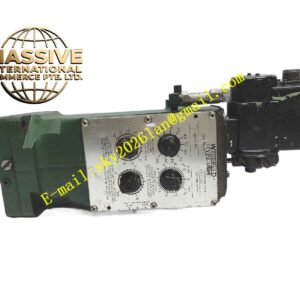
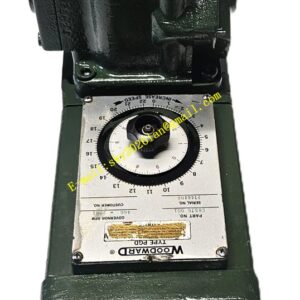
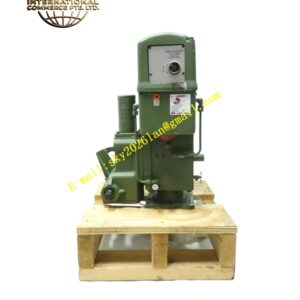
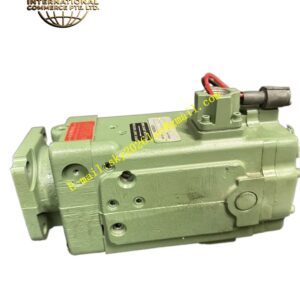
Woodward 8237-1243
Technical Specifications
- Product Type: Electro-Hydraulic Servo Actuator.
- Control Signal: Typically 4-20 mA or 0-10 VDC.
- Hydraulic Pressure: Operates on standard turbine control oil pressure (e.g., 1000-3000 psi).
- Feedback: Integral LVDT or potentiometer for position feedback.
Functional Features
- High Precision: Accurate positioning with minimal hysteresis and deadband.
- Fast Response: High flow capacity for rapid valve stroking during load changes or trips.
- Fail-Safe Options: Can be configured to fail open, fail closed, or fail in last position upon loss of power or signal.
- Integral Servo Valve: Contains a high-response torque motor and hydraulic spool valve for closed-loop control.
Application Scenarios
Used as the final control element on steam turbines, gas turbines, and large diesel engines to regulate speed, load, or temperature.
Performance Parameters
- Linearity: ±0.5% or better over the operating range.
- Frequency Response: High bandwidth for dynamic control.
- Force/Stroke: Sized to overcome valve stem friction and steam/flow forces.
Material Composition
Housing is typically ductile iron or steel. Internal spool and sleeve are hardened steel, precision-lapped for zero leakage. Seals are high-performance elastomers compatible with turbine control oil.
Structural Characteristics
A compact, cylindrical or rectangular body with hydraulic ports, electrical connector, and mechanical linkage attachment points. Includes manual override capability for commissioning and emergencies.
Working Principle
The controller sends a current signal to the integral servo valve’s torque motor. This creates a magnetic force that moves the spool, directing high-pressure oil to one side of the actuator piston. The piston moves until the integral position feedback matches the commanded signal, at which point the spool centers and holds the position.
Installation Requirements
Mount securely to the valve or engine bracket. Connect hydraulic lines using clean, high-pressure tubing. Wire the control signal and feedback according to the wiring diagram. Flush hydraulic lines before connecting the actuator.
Usage Precautions
- Ensure control oil is clean and at the correct viscosity; contamination is the primary cause of actuator failure.
- Never exceed the maximum hydraulic pressure rating.
- Perform stroke calibration and tuning after installation.