


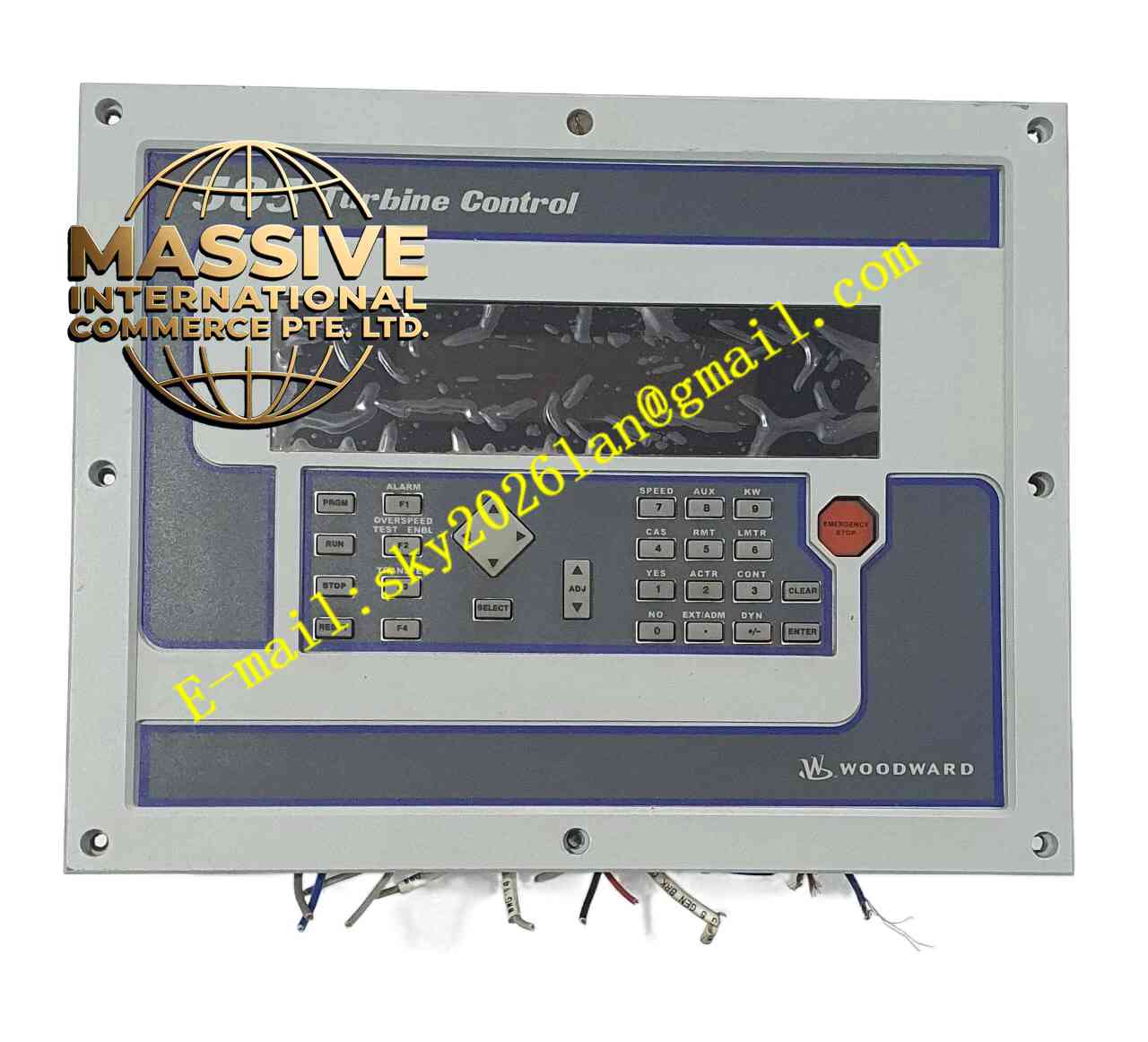
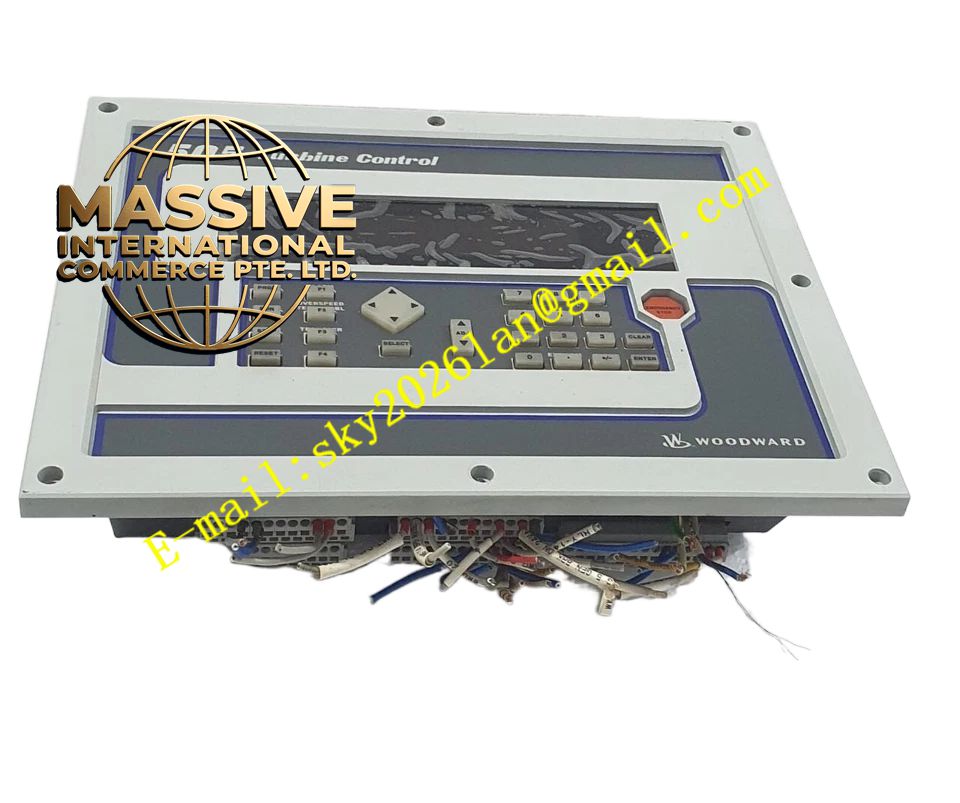
Description
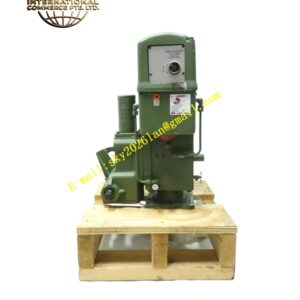
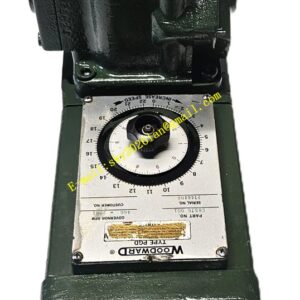
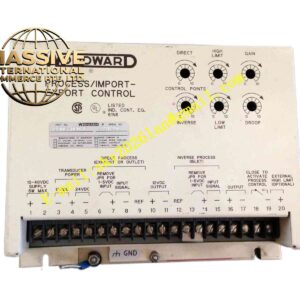
Woodward 9907-1183
Technical Specifications
- Synchronization Method: Phase-match with adjustable slip frequency and voltage match.
- Measurement Inputs: True RMS voltage, frequency, and phase angle for generator and bus.
- Control Output: Analog bias to governor and AVR, plus breaker close relay output.
- Power Supply: Standard industrial DC or AC voltage with isolation.
- Communication: Serial interface for status monitoring and configuration.
Functional Features
- Automatic Synchronization: Calculates the exact closure point for zero transient impact.
- Permissive Logic: Prevents breaker closure if synchronization criteria are not met.
- Adjustable Windows: Programmable voltage, frequency, and phase angle match windows.
- Manual Sync Mode: Allows operator-assisted synchronization with visual guidance.
Application Scenarios
Essential for generator paralleling switchgear, automatic transfer switches (ATS), and power plant synchronization panels.
Performance Parameters
- Sync Accuracy: Phase angle matching within ±2 degrees.
- Voltage Match: Within ±1% of bus voltage.
- Response Time: Fast calculation and output adjustment for optimal closure timing.
Material Composition
High-reliability digital electronics housed in a ruggedized metal enclosure with conformal-coated PCBs for protection against harsh electrical environments.
Structural Characteristics
- Interface: Front-panel LCD display and navigation keypad for local operation.
- Connectors: Multi-pin connectors for PT/CT inputs, control outputs, and communications.
- Mounting: Panel-mount design with standard cutout dimensions.
Working Principle
The module continuously measures generator and bus voltages. It calculates the slip frequency and phase difference, sending bias signals to the governor speed and AVR voltage setpoints. When the phase angle approaches zero at the optimal slip rate, it energizes the breaker close relay at the precise moment of phase coincidence.
Installation Requirements
- Connect voltage transformers with correct polarity and phase rotation.
- Ensure the breaker close circuit is properly interlocked with synchronizer permissives.
- Mount in a vibration-free environment away from high-voltage interference.
Usage Precautions
- Always verify phase rotation before first synchronization.
- Test the permissive logic to ensure the breaker cannot close out-of-sync.
- Keep synchronization parameters tuned to the specific generator’s inertia and breaker closing time.