


Description
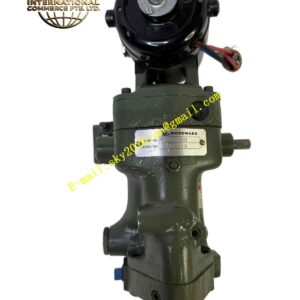
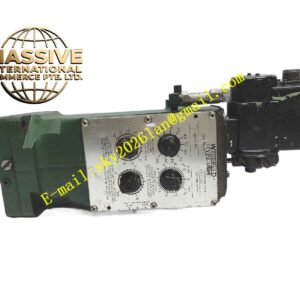
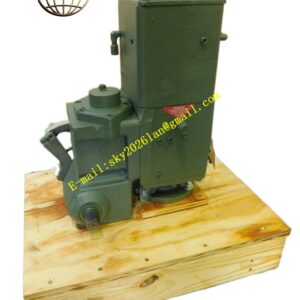
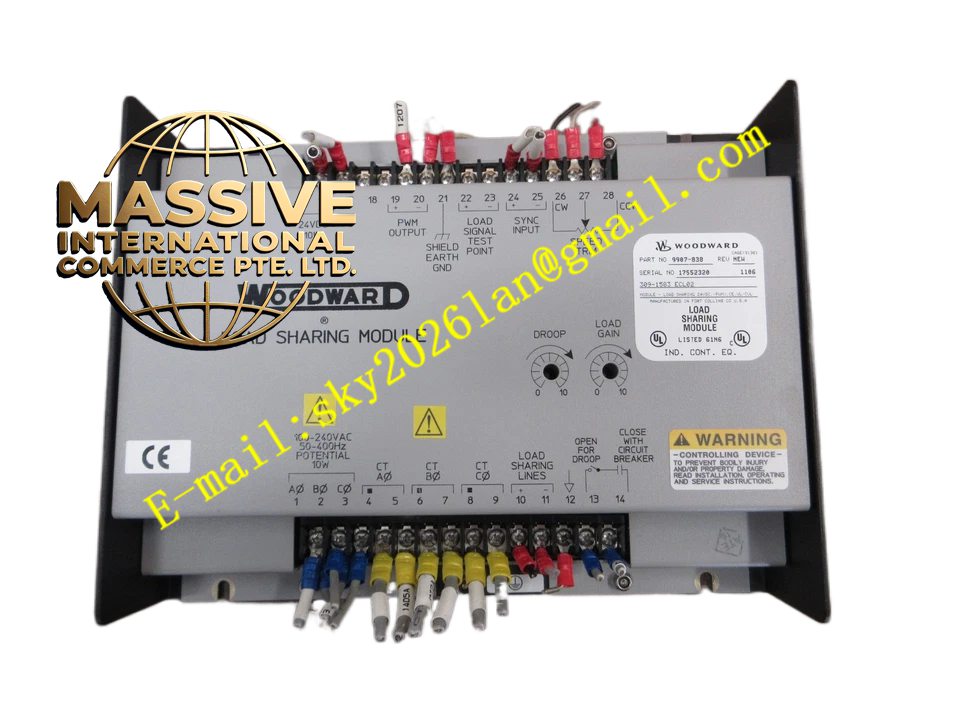
Woodward 9907-802
Technical Specifications
- Input Signal: 4-20 mA DC control signal.
- Output Pressure: Proportional pneumatic pressure output (typically up to 25 bar / 363 psi for standard CPC-II configurations).
- Supply Pressure: Requires a clean, regulated pneumatic supply pressure higher than the maximum output pressure.
- Accuracy: High precision with full-scale error typically less than ±0.2%.
- Communication: Compatible with Woodward MicroNet, 505, and 505E series controllers.
Functional Features
- Linear Signal Conversion: Provides highly stable and linear valve control, ensuring precise positioning of steam or fuel valves.
- Self-Cleaning Valve Algorithm: Features advanced internal valve algorithms designed to resist sticking and mitigate the effects of oil contamination.
- Fail-Safe Operation: Designed to drive the actuator to a predetermined safe position (e.g., valve closed) upon loss of electrical signal or air supply.
- Status Indication: Equipped with health and status indicators for internal unit health, input signal validity, and pressure sensor diagnostics.
Application Scenarios
Extensively utilized in industrial steam turbines, gas turbines, and reciprocating engines to precisely position single-acting steam valves, fuel valves, and associated servo actuators for speed and load control.
Performance Parameters
- Resolution: Exceptional resolution ensuring smooth valve movement without hunting.
- Dynamic Response: Fast response time to accommodate rapid load changes and transient events.
- Repeatability: High repeatability ensuring consistent valve positioning over multiple cycles.
Material Composition
Housed in a ruggedized, industrial-grade metal enclosure designed to withstand harsh plant environments. Internal components include precision-machined stainless steel valve spools and high-performance elastomer seals compatible with standard instrument air and hydraulic oils.
Structural Characteristics
- Form Factor: Compact, modular design suitable for panel or DIN rail mounting.
- Pneumatic Connections: Standard NPT or metric ports for supply, output, and vent.
- Electrical Connections: Multi-pin connector or terminal block for the 4-20 mA input and power.
Working Principle
The device receives a 4-20 mA current loop signal from the turbine controller. An internal torque motor converts this electrical current into a mechanical force that shifts a precision pneumatic pilot valve. The pilot valve meters supply air into the output chamber, increasing or decreasing the output pressure until the internal feedback mechanism perfectly balances the input signal.
Installation Requirements
- Install in a location protected from excessive vibration and direct heat sources.
- Ensure the pneumatic supply air is clean, dry, and properly filtered to prevent internal valve fouling.
- Route the 4-20 mA signal cable using shielded twisted-pair wiring, grounded at the controller end only.
Usage Precautions
- Never exceed the maximum rated supply pressure to prevent internal seal damage.
- Perform regular calibration checks using a precision pressure gauge and current source.
- Monitor the output response during valve stroking tests to detect any sluggishness or hysteresis.