


Description
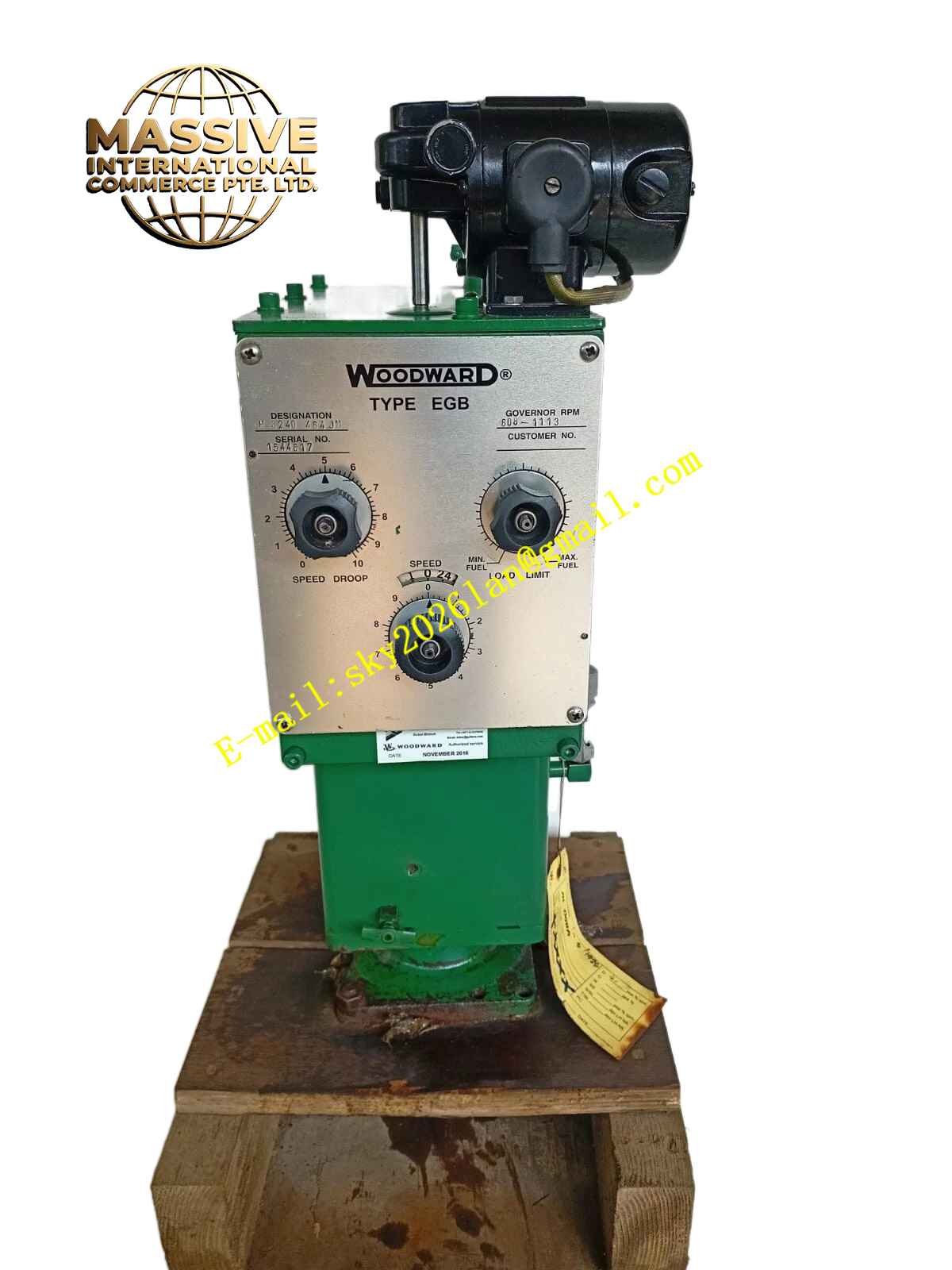
Woodward B8552-026
Technical Specifications:
Brand: Woodward
Model: B8552-026
Command Input: DeviceNet communication or 4-20mA analog
Output Type: Closed-loop high-precision current drive
Functional Features:
High-Precision Closed-Loop Positioning: Built-in LVDT signal conditioning circuit achieves closed-loop precise valve position control, eliminating mechanical dead zones.
High Redundancy and Safety: Meets stringent safety and dynamic response requirements for steam turbine fuel control.
Flexible Configuration: Supports various servo valve types and different feedback signal formats.
Application Scenarios:
Primarily used for precise position servo control of fuel control valves, main stop valves, and control valves in steam or gas turbines.
Performance Parameters:
Position Resolution: 0.1% F.S.
Drive Current: Maximum ±40mA
Response Bandwidth: > 50Hz
Material Composition:
Constructed with industrial-grade high-reliability electronic components and a fully sealed metal housing, providing strong electromagnetic interference resistance.
Structural Features:
Supports standard DIN rail or panel cutout mounting. Features abundant status indicator LEDs and convenient test terminals on the front panel.
Working Principle:
Compares the target position command with the actual LVDT feedback position, calculating the required drive current through an internal PI regulator to precisely drive the servo spool movement.
Installation Requirements:
Install as close to the servo valve as possible to shorten feedback cable length and reduce signal attenuation. Ensure proper grounding of the control cabinet.
Usage Precautions:
Never apply full-scale output without a connected servo valve. Perform mechanical zero alignment first, followed by electrical calibration during commissioning.