



Description
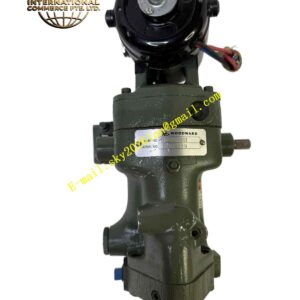
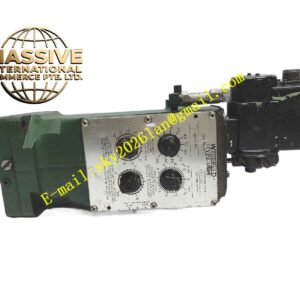
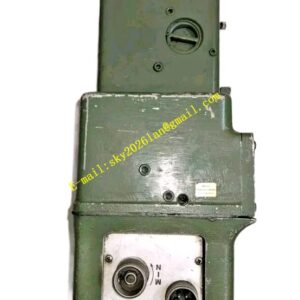
Woodward CPC-II9907-1199
Technical Specifications
- Model: CPC-II 9907-1199.
- Input: 4-20 mA isolated control signal.
- Output: Linear pneumatic pressure.
- Diagnostics: Built-in health monitoring and fault reporting.
- Certifications: CE, ATEX, SIL-rated options available.
Functional Features
- Enhanced Diagnostics: Reports internal valve health, supply pressure status, and output loop integrity.
- Fail-Safe Logic: Configurable fail-safe position (up, down, or hold) upon fault detection.
- High Accuracy: Superior linearity and repeatability for precise process control.
- Vibration Immunity: Engineered to maintain performance in high-vibration environments.
Application Scenarios
Used in high-performance steam turbines, gas turbines, and critical process control valves where precise positioning is essential for efficiency and safety.
Performance Parameters
- Resolution: Better than 0.05% of span.
- Response Time: Adjustable for optimal control loop tuning.
- Temperature Stability: Excellent performance across the full operating temperature range.
Material Composition
Premium-grade materials including anodized aluminum housing, stainless steel valve spools, and high-performance elastomer seals.
Structural Characteristics
- Form Factor: Compact, panel-mount or direct-mount design.
- Connectors: High-reliability multi-pin electrical connector.
- Indicators: LED status indicators for power, signal, and fault conditions.
Working Principle
The module converts the 4-20 mA input signal into a proportional pneumatic output using a precision force-balance mechanism. The integrated diagnostics continuously monitor the valve position and internal pressures, reporting any deviations to the control system.
Installation Requirements
- Follow all grounding and shielding guidelines for the input signal.
- Ensure the pneumatic supply is clean and properly regulated.
- Mount securely to prevent mechanical stress on the pneumatic connections.
Usage Precautions
- Configure the fail-safe position to match the process safety requirements.
- Monitor diagnostic alarms and address them promptly.
- Perform regular calibration and functional tests.