


Description
Yokogawa PSCCM22AAN
Technical Specifications Model: PSCCM22AAN Applicable System: Yokogawa CENTUM DCS system Mounting Form: Plug-in module installation on DCS control rack Power Supply: Supplied by DCS backplane bus Operating Temperature: 0℃ ~ +60℃ Storage Temperature: -20℃ ~ +70℃ Relative Humidity: 10% ~ 90% non-condensing Isolation Voltage: 1500V AC between communication channel and internal logic circuit Communication Interface: Serial communication port Module Status Indicator: Power LED, Run LED, Communication Active LED, Fault LED
Functional Features Realizes bidirectional data transmission between DCS controller and external intelligent field devices. Built-in electrical isolation circuit eliminates ground loop interference between field equipment and control cabinet. Integrated data buffer function prevents packet loss during burst data transmission. Real-time module self-diagnosis function continuously monitors hardware state and communication link quality. Fault LED indicator triggers alarm signal once communication interruption or hardware failure occurs. Supports hot swapping operation under system running state. Supports data filtering and data point mapping configuration inside module firmware. Firmware upgrade can be completed through DCS engineering station without removing module from rack.
Application Scenarios Petrochemical plant CENTUM DCS control rack, power plant thermal control distributed control system, pharmaceutical factory batch production control system, metallurgy process monitoring system, water treatment large-scale automatic control platform.
Performance Parameters Stable data transmission rate maintains continuous communication under industrial electromagnetic interference environment. Self-diagnosis circuit captures hardware fault and link breakage within preset response time. Isolation circuit completely blocks common-mode interference from field grounding difference. Backplane bus data interaction maintains high-speed and stable connection with DCS CPU card. Module runs continuously for long periods without communication packet loss under rated temperature and humidity. LED indicators clearly display running state, communication activity and fault information.
Material Composition Module housing: Black flame-retardant high-strength engineering plastic. Main PCB: FR4 multi-layer industrial printed circuit board coated with conformal protective coating. Core electronic components: 32-bit embedded microprocessor, communication transceiver chip, isolation transformer, static protection diode, RAM memory chip, flash storage chip. Connector: Gold-plated edge connector for DCS rack backplane connection. Indicator components: High brightness light emitting diodes. Fasteners: Plastic positioning buckle and metal spring clips.
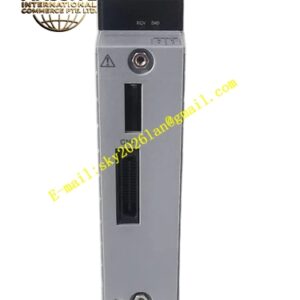
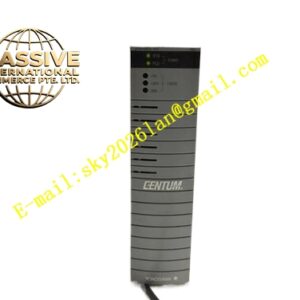
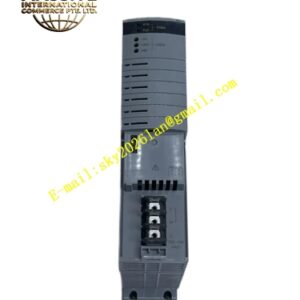
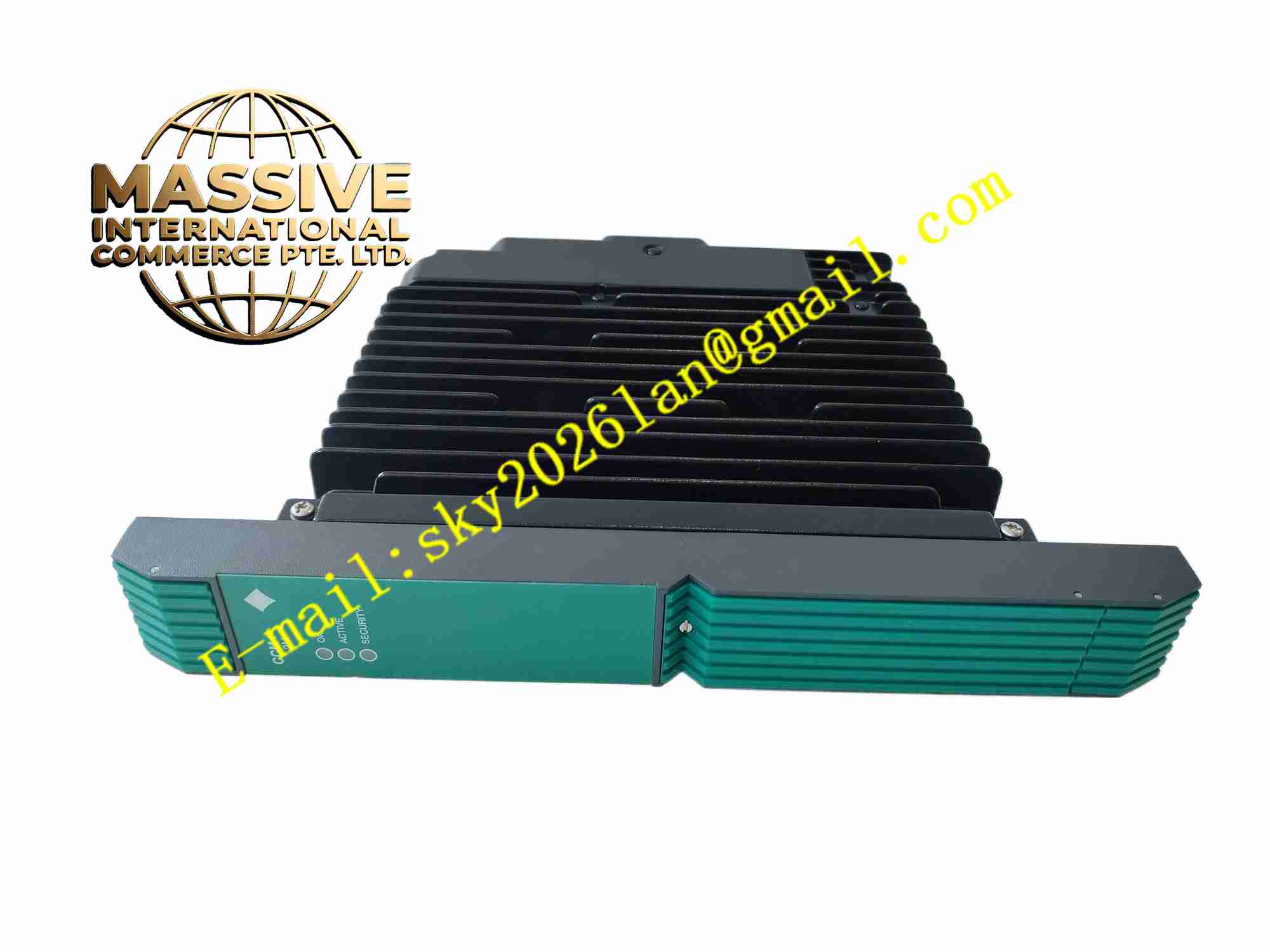
Structural Features Rectangular plug-in modular structure matching standard Yokogawa DCS rack slot size. Front panel arranges all status LED indicators for visual status inspection. Gold-plated edge connector at the rear of the module inserts into rack backplane socket. Internal circuit board separates high-speed communication circuit and backplane bus circuit to reduce signal crosstalk. Module side is equipped with positioning buckle to ensure accurate alignment during rack insertion. Natural convection heat dissipation through reserved ventilation slots on plastic housing.
Working Principle The module obtains DC working power from DCS rack backplane. Embedded microprocessor loads preset communication firmware stored in flash memory. When receiving control command from DCS CPU through backplane bus, the module converts internal DCS bus data into serial protocol signal and transmits to external field device through communication port. When field device uploads measurement data, the module receives serial signal, completes protocol parsing and converts data format, then transmits processed data to DCS controller through backplane bus. Built-in isolation circuit cuts off ground loop between field side and control cabinet side. Self-diagnosis circuit monitors power, chip operation and link status all the time, and activates fault indicator when abnormality is detected.
Installation Requirements Cut off power supply of corresponding DCS rack slot before installation or removal of module. Align module with empty slot of Yokogawa DCS control rack, push the module inward steadily until backplane connector fully inserts and positioning buckle locks tightly. Connect external communication cable to module communication port according to wiring specification. Power on the DCS rack after installation completion. Complete module hardware identification and communication parameter configuration on DCS engineering station. Verify data uploading and command downloading function after configuration download. Reserve ventilation space around the module slot to avoid heat accumulation.
Usage Precautions This module can only be installed on matched Yokogawa CENTUM DCS rack, incompatible with other brand control racks. Cut off slot power supply before plugging or unplugging the module. Use shielded communication cable for external wiring, single-point grounding of shielding layer. Avoid installation environment with corrosive gas, conductive dust and condensation. Regularly check ventilation slots and remove accumulated dust. Do not disassemble module housing without professional authorization, internal circuit contains static sensitive components. Replace module immediately when persistent communication failure or hardware fault alarm occurs.