


Description
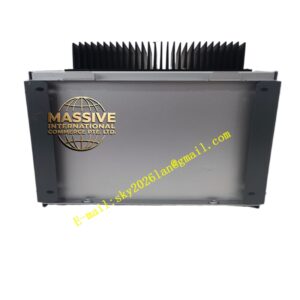
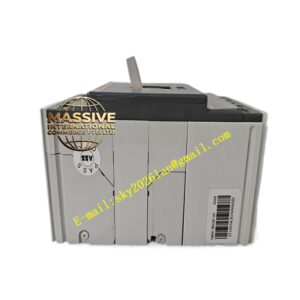
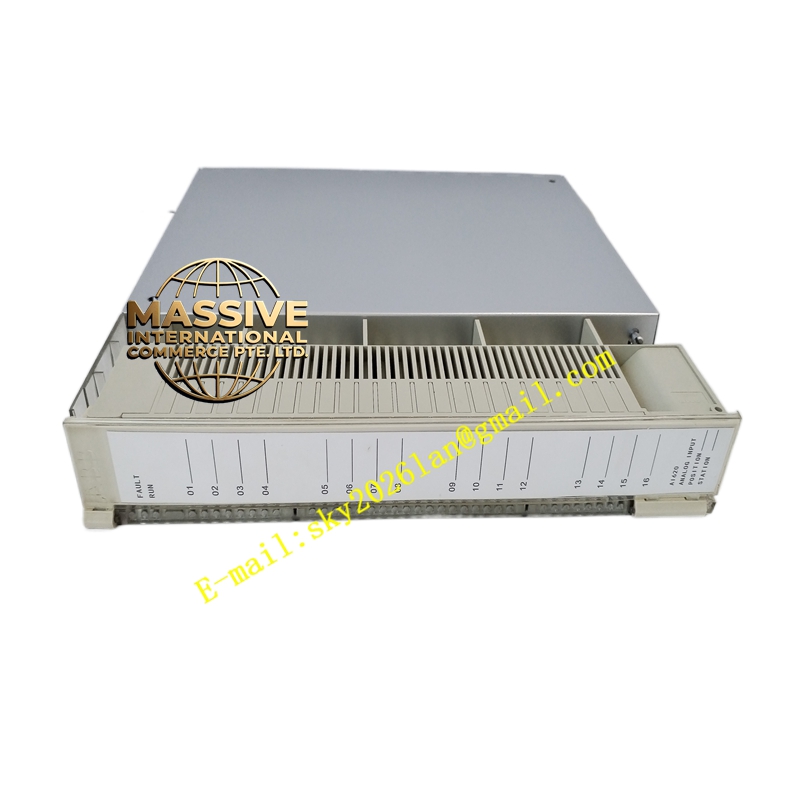
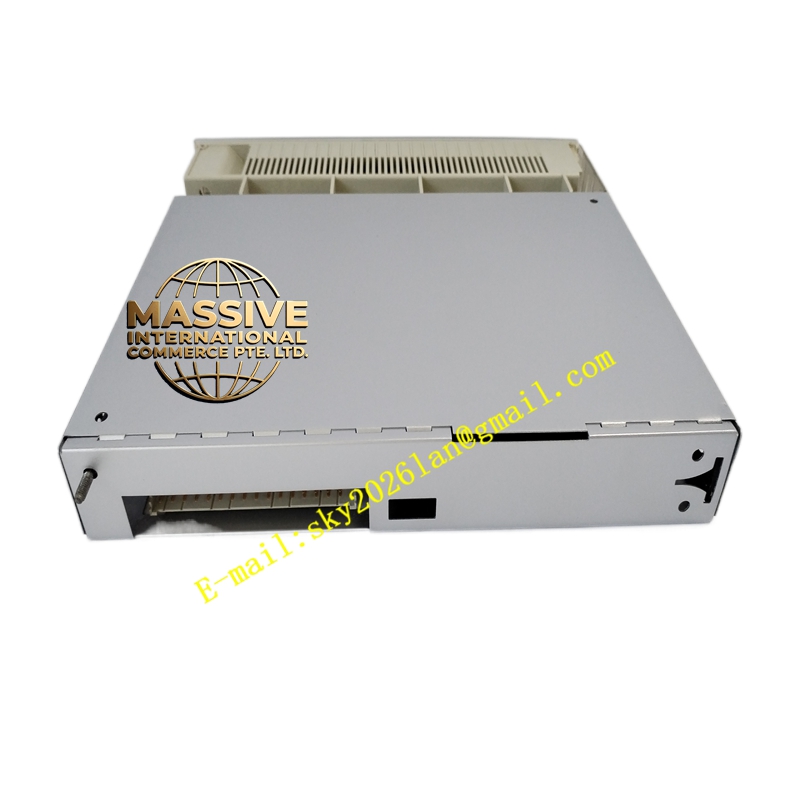
ABB AI620
Technical Specifications:
- Channel Capacity: 8 channels with advanced filtering capabilities.
- Communication Interfaces: Supports Profinet, Ethernet/IP, and other industrial protocols.
- Programming Support: Compatible with C++ and C# for custom application development.
- Protection Features: Integrated overload, overvoltage, and short-circuit protection.
Functional Features:
- Advanced Signal Processing: Built-in filtering algorithms to smooth noisy industrial signals.
- Self-Diagnostics: Real-time health monitoring with automatic fault detection and alarm generation.
- High-Speed Communication: Seamless data exchange with DCS and SCADA systems.
- Safety Mechanisms: Comprehensive electrical protections to ensure module and system safety.
Application Scenarios:
- Complex process control in petrochemical and refining plants.
- High-speed manufacturing automation.
- Distributed control systems requiring local processing.
Material Composition & Structural Characteristics:
- Design: High-density PCB with robust thermal management.
- Interfaces: Standardized industrial Ethernet and fieldbus ports.
- Status Indicators: Front-panel LEDs for power, communication, and fault status.
Working Principle:
The AI620 acquires analog signals, conditions them using internal filters, and converts them to digital data. Its onboard processor can execute localized control logic or data formatting before transmitting the processed information over high-speed communication networks to the central controller.
Installation Requirements:
- Ensure adequate ventilation for heat dissipation.
- Connect communication cables using shielded twisted-pair wiring.
- Configure IP addresses and network parameters via the configuration software.
Usage Precautions:
- Regularly monitor diagnostic alarms to preemptively address hardware issues.
- Verify communication protocol settings match the network configuration.
- Avoid exceeding the specified environmental temperature limits.