


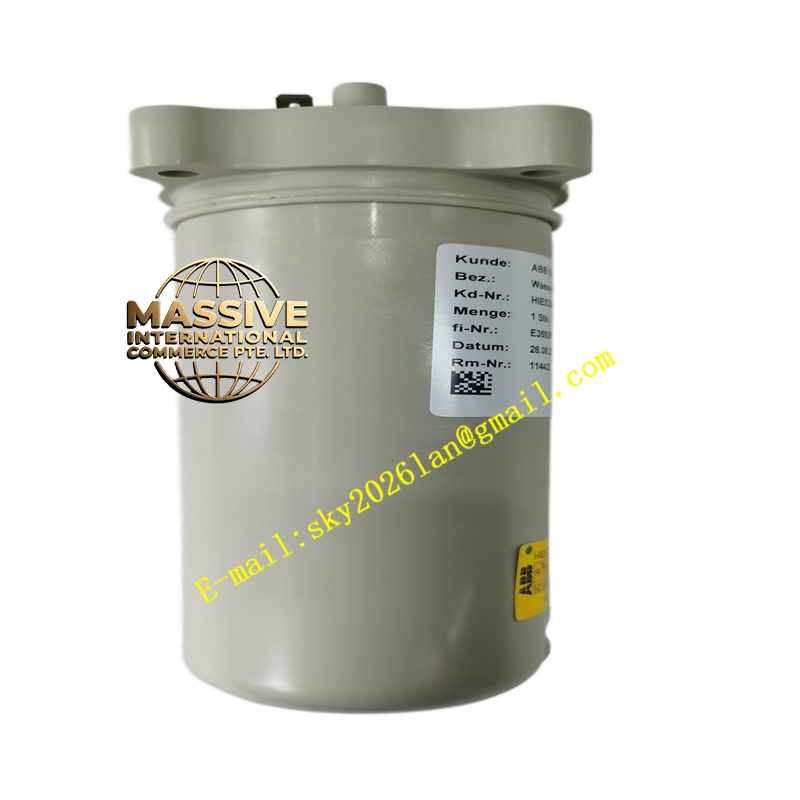
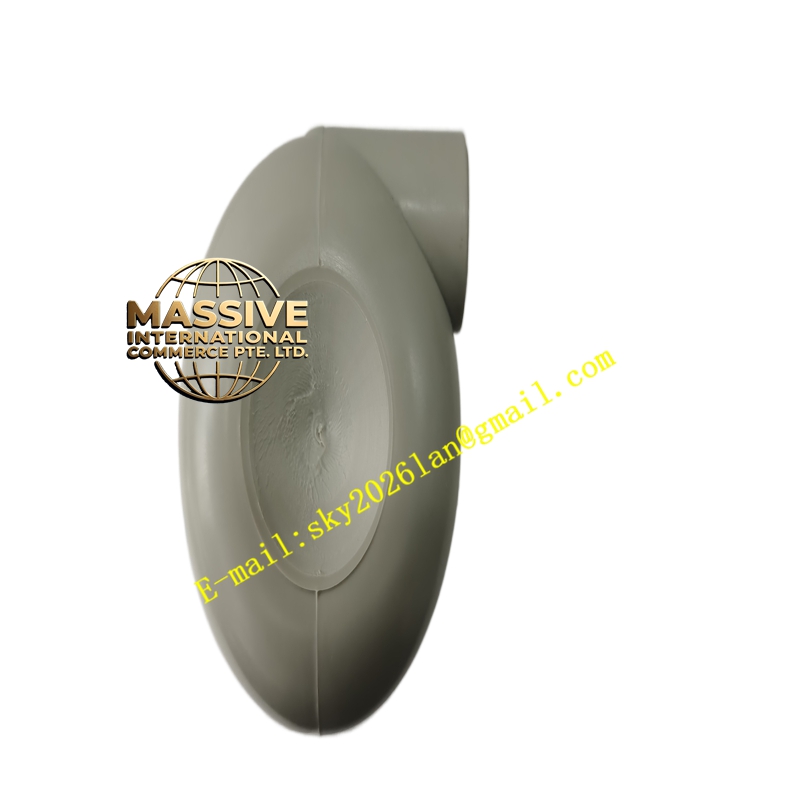
Description
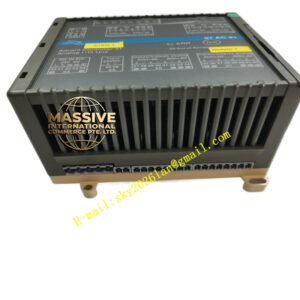
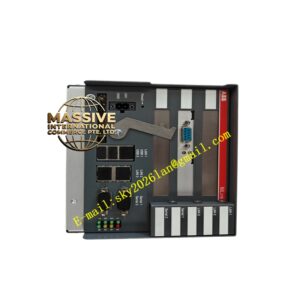
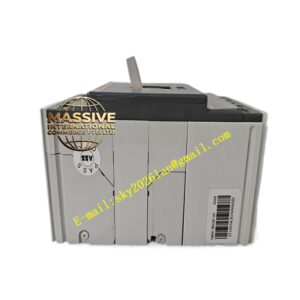
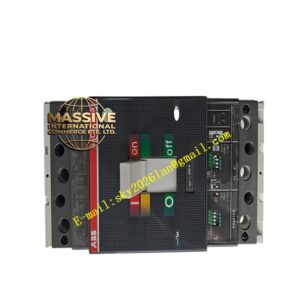
ABB HIES308461R0012
Technical Specifications:
- Component Type: Industrial Grade Resistor.
- Primary Function: Current limiting and voltage division.
- Compatibility: Integrates with PLCs (e.g., Rockwell, Schneider Quantum) and tension/force sensors.
Functional Features:
- Overcurrent Protection: Limits current flow to prevent circuit overload and protect sensitive PLC modules and sensors.
- Voltage Division: Works in series circuits to drop high voltages to safe operating levels for signal conditioning and transistor biasing.
- High Stability: Manufactured with industrial-grade materials to withstand temperature fluctuations and mechanical vibrations.
Application Scenarios:
- Industrial automation control cabinets for current management.
- Instrumentation systems utilizing tension and force sensors (e.g., ABB PFTL201C-50KN).
- Power equipment maintenance, including fan control systems and diaphragm pumps.
Performance Parameters:
- Durability: Exceptional long-term reliability in harsh industrial environments.
- Precision: Ensures accurate signal conditioning and stable current delivery.
Material Composition & Structural Characteristics:
- Construction: Robust industrial-grade resistive elements designed for thermal endurance.
- Form Factor: Compact discrete component or integrated resistor block.
Working Principle:
When placed in a circuit, the resistor opposes the flow of electrical current according to Ohm’s Law. In current-limiting applications, it restricts the maximum current to protect downstream loads. In voltage-division applications, it drops a specific portion of the supply voltage, providing a precise reference voltage for analog inputs or transistor bases.
Installation Requirements:
- Solder securely to the designated pads on the PCB or connect via terminal blocks.
- Ensure adequate physical clearance to prevent heat accumulation from adjacent components.
- Verify the resistance value and power rating against the system schematic before installation.
Usage Precautions:
- Do not exceed the maximum power dissipation rating to prevent thermal failure.
- Inspect for physical damage or discoloration during routine maintenance, as these indicate overheating.
- Ensure the resistor is correctly sized for the specific voltage and current requirements of the sensor or PLC input.