


Description
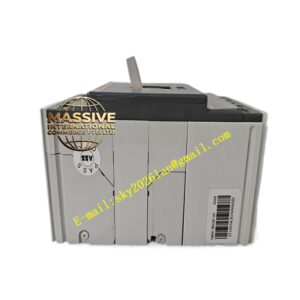
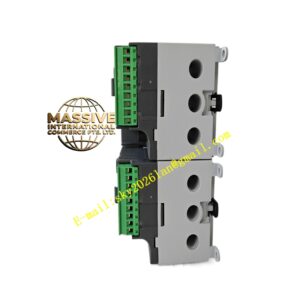
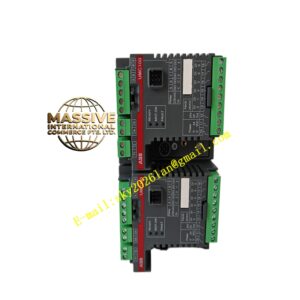
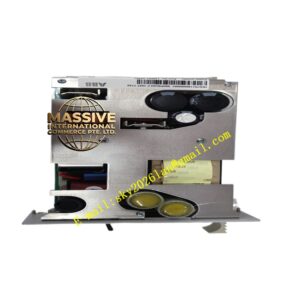
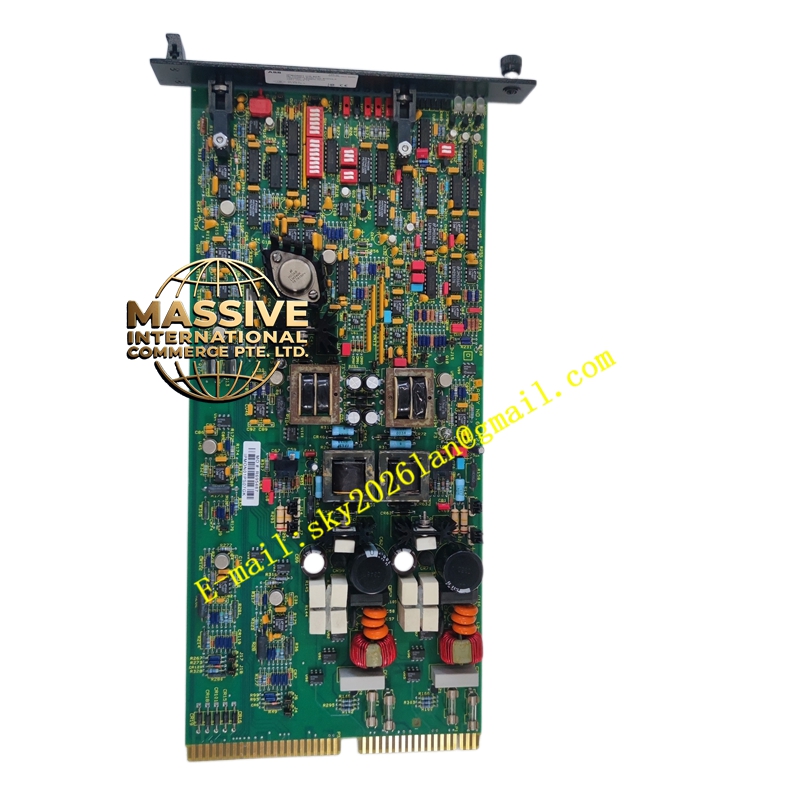
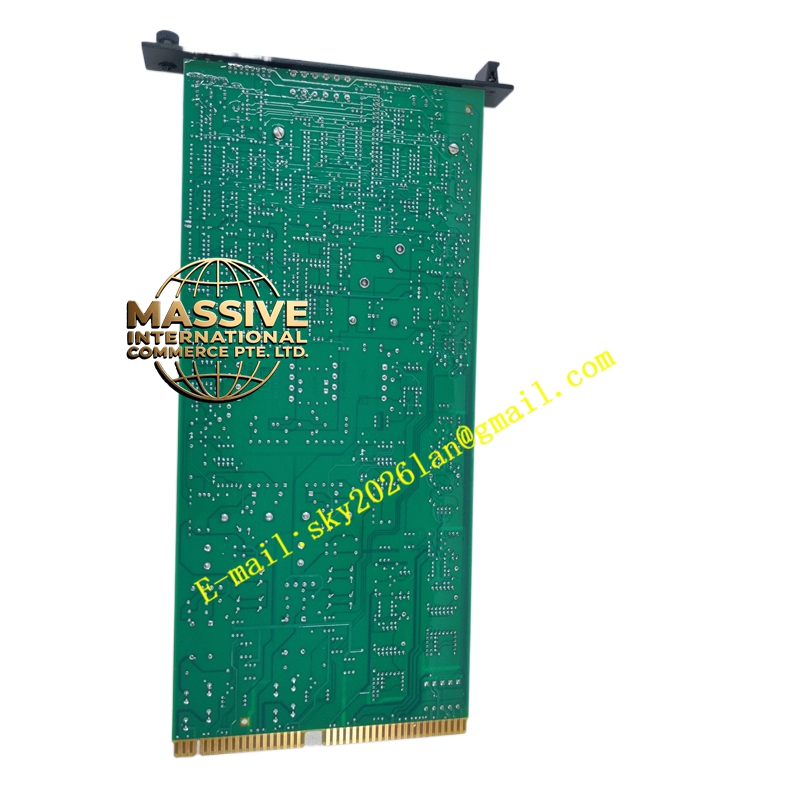
ABB IPMON01
Technical Specifications:
- Communication: Supports high-speed optical interfaces for long-distance data transmission.
- Network Topology: Compatible with point-to-point, daisy-chain, star, and redundant dual-network architectures.
- Power Supply: Industrial-grade redundant power supply design.
- Signal Isolation: Comprehensive galvanic isolation for input and output channels.
Functional Features:
- Real-Time Monitoring: Continuously tracks voltage, current, active/reactive power, and frequency.
- High Reliability: Features industrial-grade design with built-in isolation protection to withstand harsh electromagnetic environments.
- Seamless Integration: Utilizes standard communication protocols for easy integration with existing DCS and PLC systems.
- Flexible Networking: Adapts to various complex industrial network topologies to meet different plant layouts.
Application Scenarios:
- Power distribution monitoring in metallurgy, petrochemical, and manufacturing plants.
- Energy management systems in large-scale industrial facilities.
- Substation automation and grid protection.
Performance Parameters:
- Transmission Distance: Capable of long-distance signal transmission without degradation via optical links.
- Response Time: Ultra-fast data refresh rates for critical protection logic.
- Environmental Tolerance: Designed to operate reliably in high-noise, high-vibration industrial settings.
Material Composition & Structural Characteristics:
- Enclosure: Ruggedized industrial housing providing high IP protection against dust and moisture.
- Circuit Board: Multi-layer PCB with conformal coating to prevent corrosion and short circuits.
- Connectors: Heavy-duty industrial connectors ensuring secure and vibration-resistant field wiring.
Working Principle:
The module samples analog voltage and current signals via internal transformers and isolators. These signals are converted into digital data by high-resolution ADCs and processed by an embedded microcontroller. The calculated electrical parameters are then packaged and transmitted over the high-speed optical or serial network to the central control system for display and analysis.
Installation Requirements:
- Wiring: Use shielded twisted-pair cables for analog inputs and proper optical fibers for high-speed links.
- Grounding: Ensure a clean, single-point earth ground to prevent ground loops and signal interference.
- Mounting: Install in a ventilated area, strictly adhering to the specified operating temperature range.
Usage Precautions:
- Safety: Always de-energize the circuit before installing or removing the module.
- Configuration: Verify network parameters and IP addresses match the system architecture before commissioning.
- Maintenance: Periodically inspect optical connectors for dust and clean them with appropriate tools to maintain signal integrity.