


Description
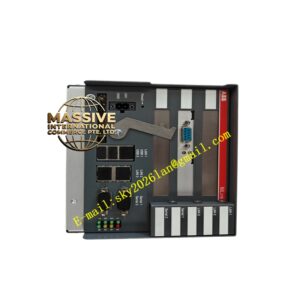
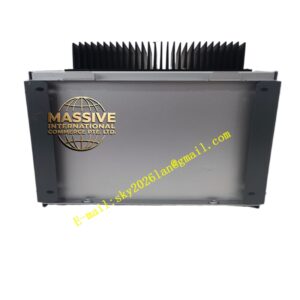
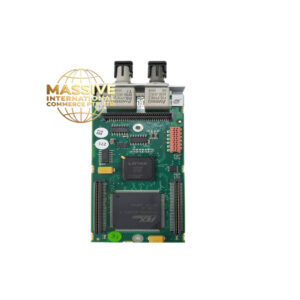
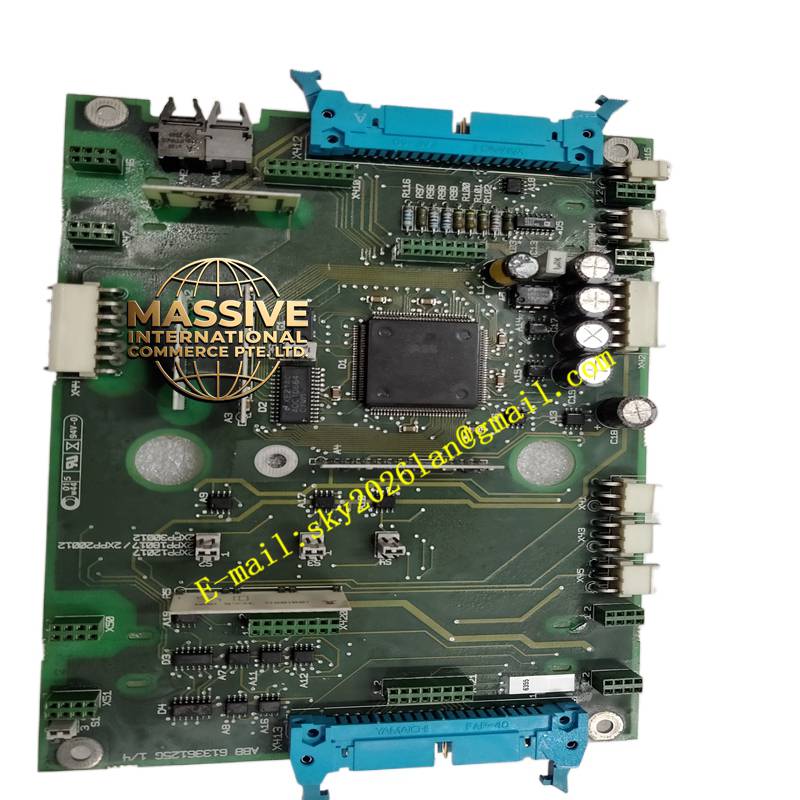
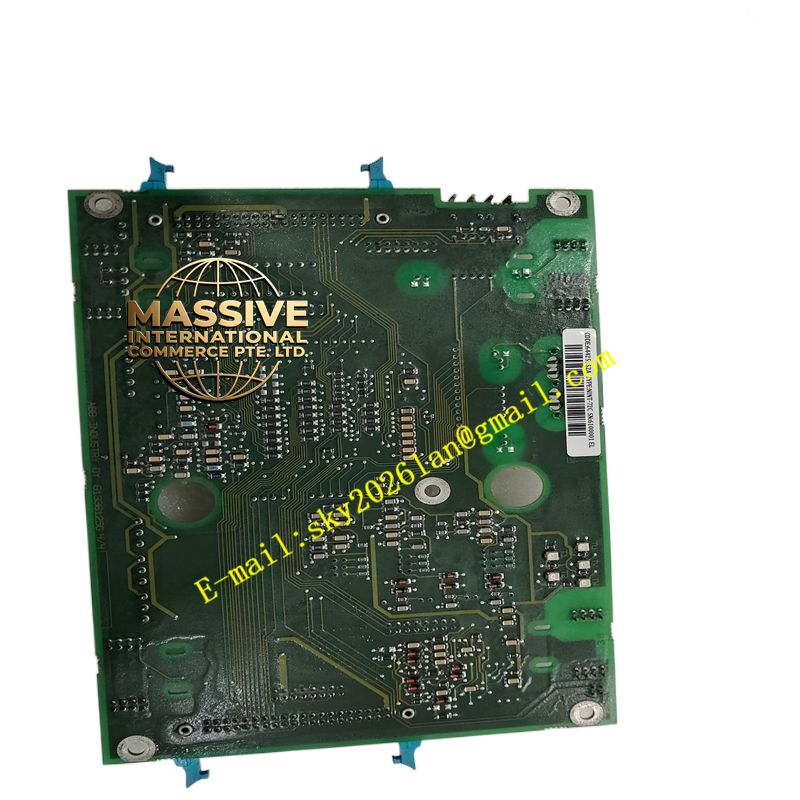
ABB NINT-72C
Technical Specifications:
- Communication Protocols: PROFINET, Ethernet/IP, Modbus TCP/IP, EtherCAT
- Input Voltage: 3-phase AC 380V – 480V (±15% tolerance)
- Sampling Rate: Up to 200kHz with 16-bit ADC resolution
- Operating Temperature: -25°C to +60°C (capable of cold starts at -40°C)
- Expansion I/O: 8 Digital Inputs (DI), 4 Digital Outputs (DO), 2 Analog Inputs (AI)
Functional Features:
- Multi-Protocol Interoperability: Seamlessly interfaces with major PLCs like Siemens S7-1500 and Rockwell ControlLogix.
- High-Speed Real-Time Control: Captures precise motor current and voltage waveforms for dynamic response.
- Robust Power Protection: Features built-in 2300Vrms overvoltage protection and configurable undervoltage thresholds.
- Hot-Swappable Design: Allows module replacement without powering down the system.
Application Scenarios:
- Metallurgy: Synchronizing multiple drives in continuous casting machines.
- Wind Energy: Real-time pitch angle adjustment in wind turbines under extreme cold.
- Paper Manufacturing: High-precision tension control in high-speed rewinders.
Performance Parameters:
- Control Precision: Maintains vibration frequency stability within ±0.1Hz.
- Reliability: Annual failure rate below 0.5% in harsh environments.
Material Composition & Structural Features:
- Connectors: 10-pin bolt terminals for direct sensor connection and 25-pin D-SUB interfaces.
- Enclosure: IP20-rated industrial-grade protective housing.
Working Principle:
The module utilizes high-speed ADC sampling and embedded PID algorithms to process real-time analog signals. It translates these signals into precise control commands via industrial Ethernet protocols, ensuring synchronized multi-axis operation.
Installation Requirements:
- Ensure RJ45 connectors are securely seated to prevent communication loss.
- Connect analog sensors correctly (positive to AI+, negative to AI-).
Usage Precautions:
- Configure static IP addresses via ABB DriveManager to avoid network conflicts.
- Use signal isolators if common-mode interference affects analog inputs.