


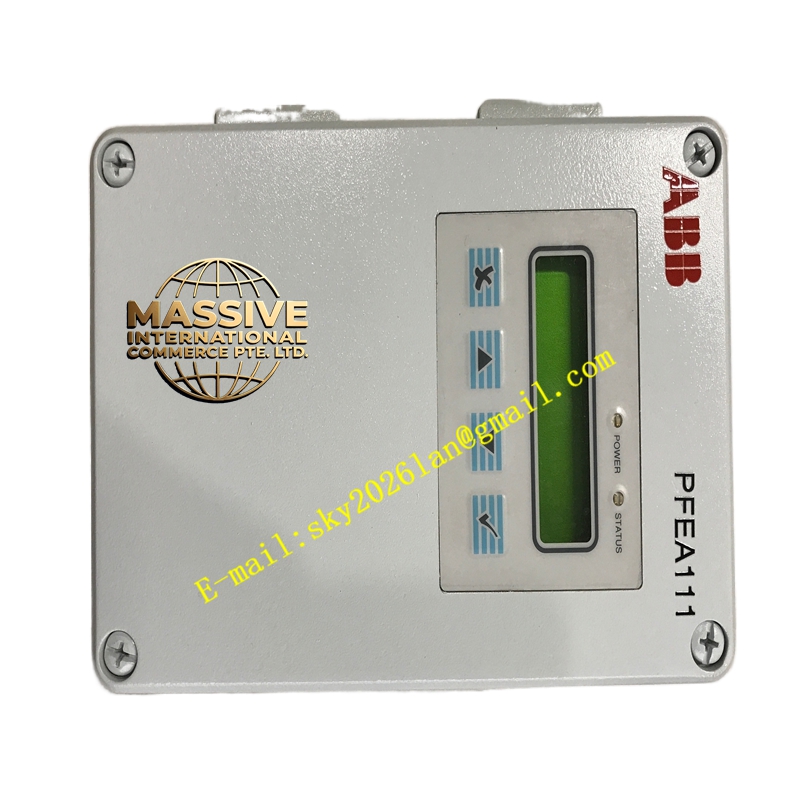
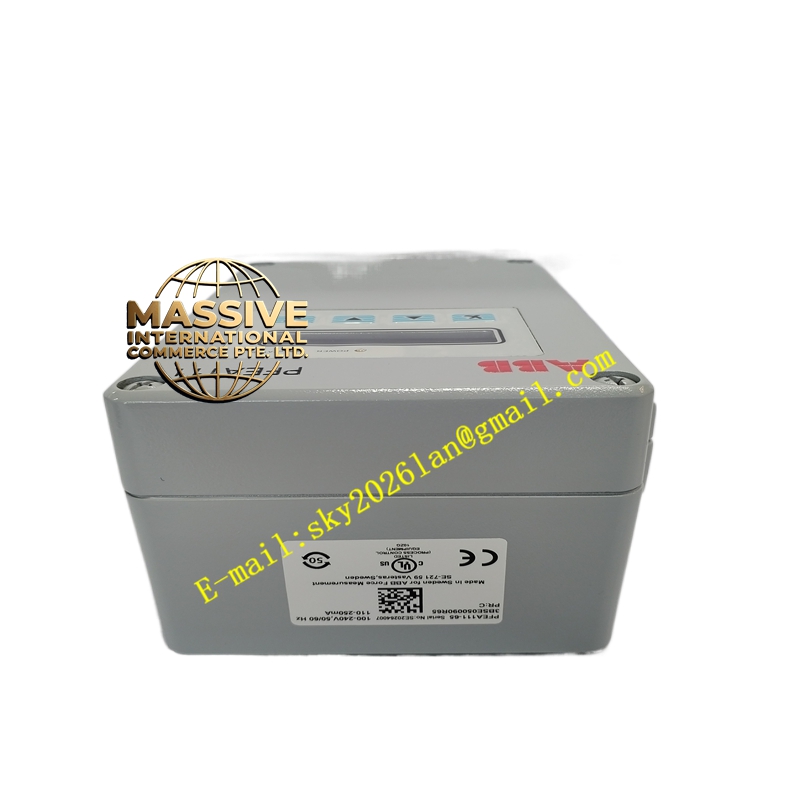
Description
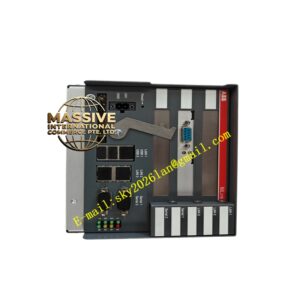
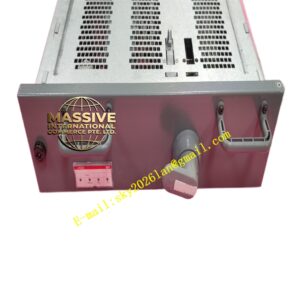
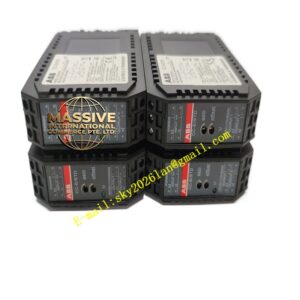
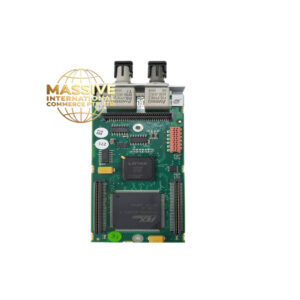
ABB PFEA111-65
Technical Specifications:
- Model Designation: PFEA111-65.
- Electrical Variant: 65-series specific voltage/current ratings.
- Measurement Principle: Strain gauge-based tension measurement.
- Output Type: High-level analog output with galvanic isolation.
- Environmental Rating: Industrial grade for continuous operation.
Functional Features:
- Wide Dynamic Range: Accurate measurement across a broad tension spectrum.
- Robust Design: Enhanced protection against voltage spikes and power supply fluctuations.
- Plug-and-Play: Pre-configured parameters for rapid installation and commissioning.
- Compatibility: Seamless integration with ABB ACS drives and PLC systems.
Application Scenarios:
- Steel and aluminum rolling mills.
- Glass fiber and textile winding.
- Packaging and converting machinery.
- Printing presses and folder-gluer machines.
Performance Parameters:
- Linearity: Excellent linearity across the entire measurement range.
- Repeatability: High repeatability ensures consistent product quality.
- Thermal Compensation: Active temperature compensation minimizes errors due to ambient temperature changes.
Material Composition & Structural Characteristics:
- Housing: Compact, space-saving design for control panel integration.
- Internal Components: Premium-grade electronic components selected for long-term stability.
- Connectors: Secure, locking connector options to prevent accidental disconnection.
Working Principle:
The PFEA111-65 processes the raw signal from force sensors, applying mathematical models to derive true web tension. It compensates for factors like roller bearing friction and web inertia. The final calculated tension value is output as a stable analog signal, allowing the drive or controller to adjust motor torque precisely to maintain constant tension.
Installation Requirements:
- Power Supply: Verify the required power supply voltage matches the “65” variant specifications.
- Sensor Connection: Follow the wiring diagram precisely for 3-wire or 4-wire load cell connections.
- Environment: Ensure the installation environment falls within the specified temperature and humidity limits.
Usage Precautions:
- Variant Identification: Do not interchange the “-65” variant with “-20” variants without verifying electrical compatibility.
- Overload Protection: Install mechanical stops on load cells to prevent physical damage from excessive web tension.
- Signal Integrity: Use isolated analog inputs on the receiving PLC or drive to prevent ground loop issues.