


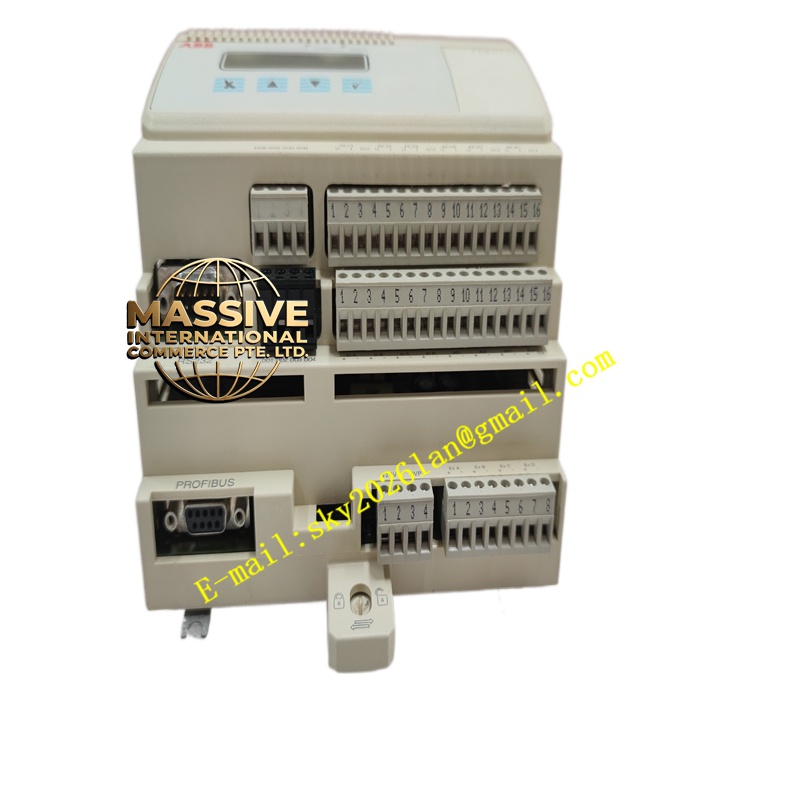
Description
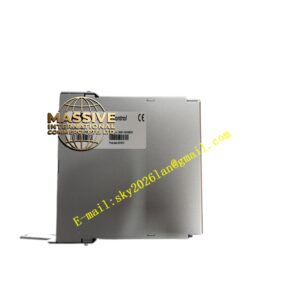
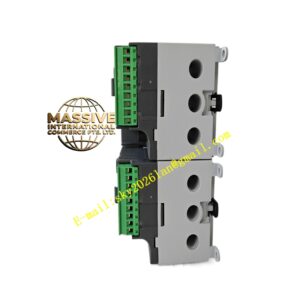
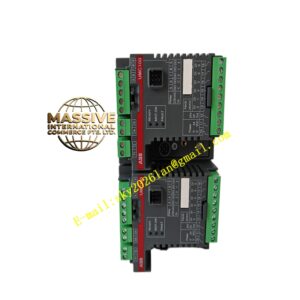
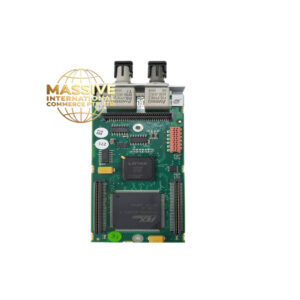
ABB PFTL201C
- Technical Specifications (typical PFTL201C — verify cert sheet):
- Rated Force: 10 kN (other std ranges: 1, 2, 5, 20, 50, 100, 200, 500 kN)
- Excitation: AC 5–10 V rms @ 2–5 kHz (supplied by PFEA amplifier)
- Output Signal: ≈0–30 mV (proportional to force × excitation — exact sensitivity on calibration cert)
- Nonlinearity: ≤0.1 % FS
- Hysteresis: ≤0.05 % FS
- Repeatability: ≤0.02 % FS
- Temperature Effect on Zero: ≤0.02 % FS / °C
- Temperature Effect on Span: ≤0.01 % / °C
- Operating Temp.: –20 °C to +70 °C (some versions –40 °C to +80 °C)
- Overload Capacity: 150 % FS safe (some 200 % mechanical limit — check cert)
- Material: Alloy steel or stainless steel (nitride hardened) — cylindrical body with machined loading surfaces
- Mounting: Sandwiched between roll bearing housing & reaction plate / load cell seat — secured by dowel pins (prevent side shift) — loaded in pure compression
- Cable: 4-wire (Excite+/–, Sig+/–) + shield — typical length 5/10/15 m — outer jacket PUR/PE (oil/flex resistant)
- Protection: IP67 (with proper cable gland & cap)
- Certifications: ATEX / IECEx (some versions Ex-e / Ex-i compatible — use with barrier if Zone 1/21)
- Functional Features / Application / Material / Structure / Working Principle / Installation / Precautions:
- Used in pairs (left & right of a roll) to measure total strip tension = sum of two PFTL201C readings; differential indicates off-center
- In press force: single PFTL201C under press ram to monitor forging/closing force (peak hold in PFEA113)
- Installation:
- Ensure reaction seats (top & bottom) are flat, parallel, free of burrs
- Place PFTL201C between seats — align dowel pins (if furnished) to prevent horizontal movement — do NOT bolt through PFTL body (only dowel pins / set screws to locate — main load transferred through end faces)
- Tighten securing set screws / clamps to specified torque (AB doc — typically just enough to prevent slip, NOT to preload cell)
- Connect 4-wire + shield to PFEA — observe Excite/Sig pairing (miswire → reads negative or near-zero)
- After PFEA powered → perform tare (no load / web slack) → set FS = 10 kN → verify output with known weight or roll dead weight
- Precautions:
- Pure Compression Only: Side loads, bending moments, torque on cell degrade accuracy & may damage — use proper seats & dowel pins
- No Shock Loading >150 % FS: Although mechanical limit higher, repeated shock >150 % shortens life / shifts zero
- Cable Not Load-Bearing: Strain relief required — do NOT let cable support its own weight / pull on terminals
- Tare at Zero Load: With web cut / roll lifted off — if impossible (continuous line) use calculated tare from known empty roll weight subtracted in PFEA — verify periodically
- Spare: Keep PFEA amp spare (electronic); PFTL201C mechanical spare justified if long lead time — store in original pkg upright (no load on cell)