



Description
Bently 330104‑00‑15‑10‑02‑CN
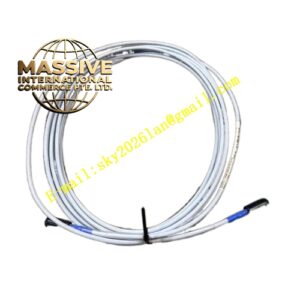
- Key Features: 8 mm probe tip dimension; M10×1 metric mounting thread; stainless‑steel flexible armor for integral cable; patented TipLoc probe‑tip sealing technology; patented CableLoc anti‑pull‑out cable‑to‑probe connection; full interchangeability with 3300‑XL proximitor and extension cables; linear output for static gap and dynamic vibration; resistance to mechanical abrasion and cable crushing damage; CN compliance marking for local project approvalMade-in-Ch….
- Technical Specifications & Performance Parameters
- Probe tip diameter: 8 mm
- Integral armored cable length: 1.0 m
- Linear measuring range: 0‑2.14 mm
- Nominal sensitivity: 7.87 V/mm
- Probe body operating temperature: ‑51 ℃ ~ +177 ℃
- Cable operating temperature: ‑51 ℃ ~ +177 ℃
- Storage temperature: ‑55 ℃ ~ +180 ℃
- Frequency response: 0‑12 kHz
- Thread specification: M10×1‑6g metric external thread
- Weight: 0.58 kg
- Pull‑out resistance: 330 N maximum tensile load
- Material Composition: AISI 304 stainless‑steel probe housing and threaded body; precision‑wound high‑stability copper sensing coil; PPS polymer probe tip; FEP triaxial insulated inner cable; AISI 302 stainless‑steel flexible armor braid; gold‑plated brass 2‑pin Mini‑Dot connector; high‑temperature epoxy hermetic sealing compoundBaker Hugh….
- Structural Features: Cylindrical metal probe main‑body with external M10×1 mounting thread; TipLoc molded sealed probe‑tip assembly; rear‑exit integral cable covered by continuous flexible stainless‑steel armor; Mini‑Dot connector fitted at cable terminal; CableLoc reinforced junction between probe housing and cable to resist tension and vibration fatigue; internal coil cavity fully sealed against oil mist, dust and moisture ingress.
- Working Principle: The paired proximitor module generates high‑frequency radio‑frequency excitation signal. Signal transmits through triaxial cable to internal sensing coil inside probe tip. Alternating electromagnetic field induces eddy‑current on conductive metallic shaft surface. Coil impedance value changes proportionally to physical gap distance between probe tip and shaft target. Proximitor converts impedance variation into DC gap‑voltage plus AC vibration signal for machinery monitoring racks.
- Application Scenarios: Steam turbine shaft‑vibration and thrust‑displacement monitoring; centrifugal compressor rotor‑status protection; field locations suffering cable abrasion risk; petrochemical and power‑plant TSI system spare‑part replacement; projects requiring CN certification documentation; retrofitting of legacy 3300‑XL monitoring installations.
- Installation Requirements: Screw probe into dedicated machined mounting bracket with controlled torque value; keep probe tip perpendicular to shaft target surface; adjust initial operating gap to sit within linear measuring zone; fasten Mini‑Dot connector locking ring completely; route armored sensor cables separately from high‑power motor and inverter power cables; implement single‑end shielding grounding for triaxial cable shielding layers; confirm total calibrated system cable length matches proximitor configuration.
- Usage Notes: Prohibit mechanical impact or scratch to PPS probe‑tip surface; avoid sharp small‑radius bending for armored cable assembly; maintain minimum cable bending radius as defined in factory datasheet; never cut or splice integral armored cable section; keep Mini‑Dot connector gold contacts clean from oil, dust and water contamination; inspect armor deformation and connector tightness during each unit overhaul cycle.