


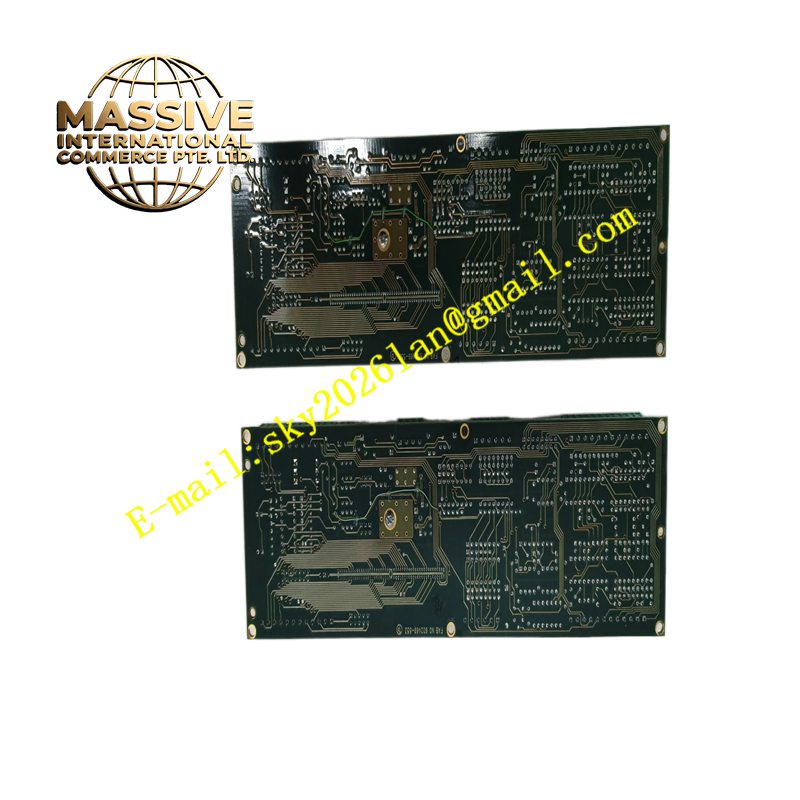
Description
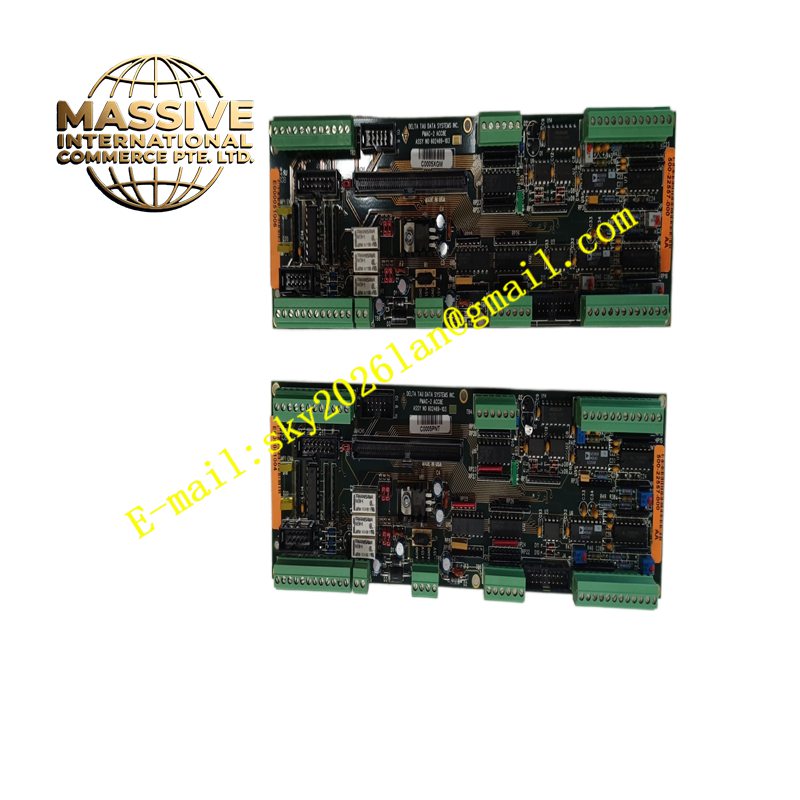
Delta Tau ACC-8E PMAC-2 602469-103
Technical Specifications 8 independent servo axis control channels; 8 digital input and 8 digital output channels; onboard 32MB RAM memory; communication interfaces including Ethernet, RS-232 and RS-485; 24V DC logic power supply; operating temperature -20°C to +70°C; storage temperature -40°C to +85°C; relative humidity 5% to 95% non-condensing; board weight approximately 0.5kg.
Functional Features Generates high-resolution motion trajectories including linear interpolation, circular arcs, spline profiles and electronic cam profiles. Executes closed-loop PID servo algorithm for each axis with configurable gain, feedforward and notch filter parameters. Reads encoder feedback signals from servo motors and compares actual position against commanded trajectory. Triggers digital outputs for motion synchronization and external actuator control and reads digital inputs for home switches, limit sensors and machine interlocks. Communicates motion status, fault codes and axis position to host software over Ethernet or serial ports. Supports user-written motion programs stored in onboard memory for standalone operation.
Application Scenarios Semiconductor wafer handling equipment, precision CNC machining systems, laser cutting and welding machines, automated inspection stages, packaging machinery, multi-axis industrial test benches, medical automation positioning equipment.
Performance Parameters High trajectory calculation update rate; low servo loop latency; high encoder feedback sampling frequency; smooth motion profile generation with minimal jerk; fast fault detection for axis following error and limit switch triggers.
Material Composition Main printed circuit board is FR-4 high-reliability multilayer substrate; main motion processor, memory and encoder interface chips are industrial wide-temperature semiconductors; differential line receivers for encoder signals use high-speed transceivers; board edge connectors are gold-plated copper alloy contacts; passive components are high-stability industrial grade resistors and capacitors.
Structural Characteristics Rectangular plug-in control board designed for chassis mounting. Edge connectors provide encoder feedback, analog servo command, digital I/O and host communication ports. Status LEDs indicate power, processor activity, axis fault and communication link state. Mounting holes secure the board inside an industrial control chassis. Onboard memory chips and signal conditioning circuits populate the PCB surface.
Working Principle User motion programs or host commands are loaded into the board’s onboard memory. The PMAC processor computes real-time trajectory setpoints for each axis according to interpolation algorithms. Setpoint values are compared with encoder position feedback. The servo PID algorithm calculates corrective output signals for each servo drive. Digital input channels capture home and limit switch signals and digital output channels generate trigger signals for external devices. All axis status and fault data are available to host software over Ethernet or serial communication ports.
Installation Requirements Power off the industrial chassis before inserting the control board. Secure the board using chassis mounting screws. Route differential encoder cables separately from high-power servo motor cables to reduce noise. Wire home, positive and negative limit sensors to the digital input terminals. Configure servo PID gains, axis mapping and motion parameters in Delta Tau PMAC software. Perform homing and axis following error test before running production motion programs.
Precautions for Use Implement ESD protection during board handling. Terminate differential encoder lines properly at the receiver end. Set appropriate following error limits to prevent machine collision. Back up all motion programs and axis parameters before firmware updates.