


Description
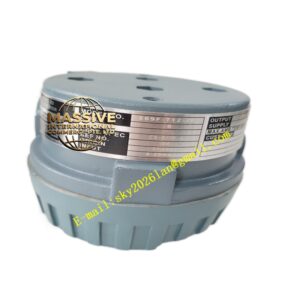
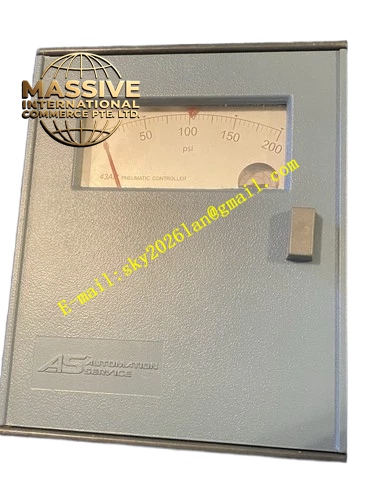
Foxboro 43AP-FA42C
Technical Specifications
- Product Type: Pneumatic Valve Positioner.
- Input Signal: 3-15 psi or 6-30 psi pneumatic.
- Supply Pressure: Up to 100 psi.
- Action: Direct or reverse acting selectable.
Functional Features
- High Accuracy: Eliminates hysteresis and stiction in the valve assembly.
- Fast Response: High-capacity air relay for rapid valve stroking.
- Flow Characterization: Cam or electronic linearization to match valve characteristics.
- Vibration Resistance: Designed to operate reliably in high-vibration environments.
Application Scenarios
Used in critical control loops across refining, chemical, and power industries where precise flow modulation is essential for product quality and safety.
Performance Parameters
- Linearity: ±0.5% of span.
- Air Consumption: Low standby consumption with high dynamic capacity.
- Response Time: Millisecond-level response to input changes.
Material Composition
Cast aluminum or stainless steel housing. Internal components include precision-machined brass, stainless steel, and synthetic elastomer seals compatible with clean, dry instrument air.
Structural Characteristics
A compact, rugged housing with a bolted cover. Features a nozzle-and-flapper or spool-valve pilot stage, a high-capacity relay, and a feedback linkage assembly. Includes a local pressure gauge and adjustment screws.
Working Principle
The positioner compares the input signal pressure with the actual valve position (via the feedback linkage). If there is a discrepancy, the pilot stage amplifies the error and directs supply air to the valve actuator to move the valve until the position matches the input signal.
Installation Requirements
Mount the positioner securely to the valve actuator. Connect the air supply through a filter-regulator. Connect the output to the actuator diaphragm or piston. Adjust the feedback linkage for proper travel and linearity.
Usage Precautions
- Always use clean, dry, oil-free instrument air.
- Do not exceed the maximum supply pressure rating.
- Perform regular stroke checks and leak tests to ensure optimal performance.