


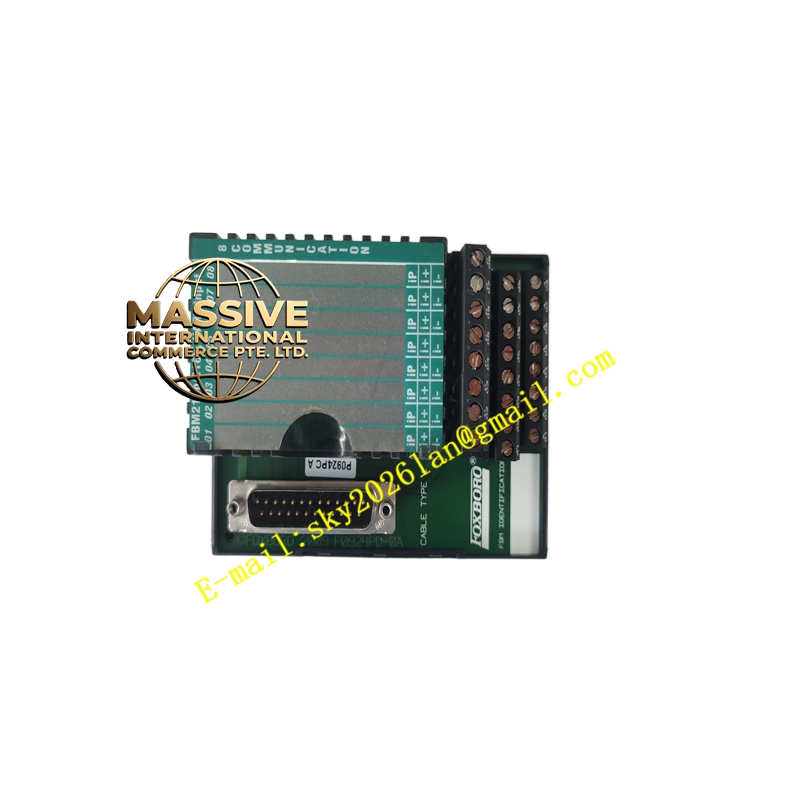
Description
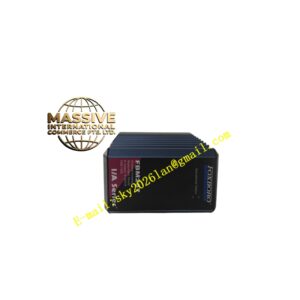
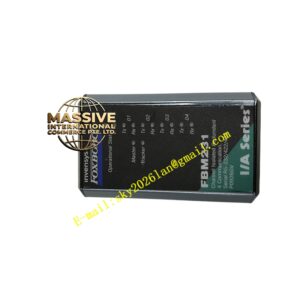
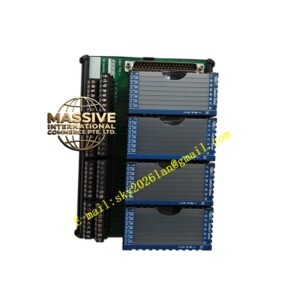
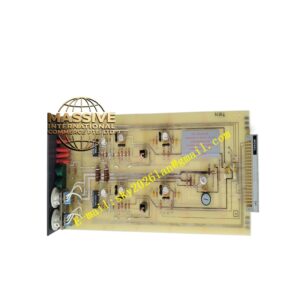
Foxboro RH924JH
Technical Specifications:
- Type: 8-Channel Pulse Input Assembly
- Associated Module: FBM206
- Input Signal: Pulse / Frequency
- Voltage Levels: Compatible with standard NPN/PNP and magnetic pickups
- Termination: Shielded screw terminals
- Environmental Rating: G3
- Operating Temperature: -40 °C to +70 °C
Functional Features:
- Signal conditioning for noisy environments
- Protection against voltage spikes common in long cable runs
- Accommodates various pulse amplitudes
- Status LEDs for signal activity
- Rugged design for vibration-heavy areas (e.g., near pumps)
Application Scenarios:
- Flow measurement using turbine meters
- Speed monitoring of rotating equipment
- Position measurement using rotary encoders
Performance Parameters:
- High frequency counting capability (typically up to several kHz)
- Low hysteresis for accurate edge detection
- High common mode rejection ratio
Material and Structural Characteristics:
- Shielded internal construction to prevent noise coupling
- Durable terminal blocks for frequent re-termination
- Vibration-resistant components
Working Principle:
The assembly receives pulse signals from the field device. It conditions the signal (filtering and amplifying) to produce a clean square wave logic pulse suitable for the counter in the FBM206 module. It protects the module from high-voltage transients often induced by long sensor cables.
Installation Requirements:
- Use shielded twisted-pair cables for pulse signals
- Ground the shield properly at one end to prevent ground loops
- Ensure the pulse amplitude is within the specified range for the assembly
Usage Notes:
- Keep cable runs as short as possible to maintain signal integrity
- Verify the direction of flow counting during setup
- Periodically check connections as vibration can loosen terminals