


Description
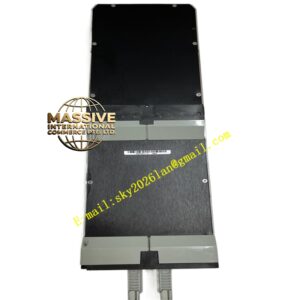
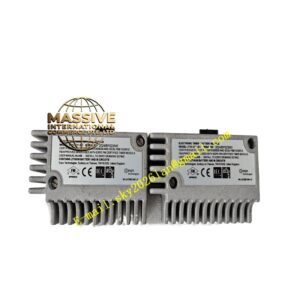
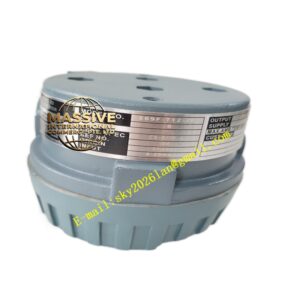
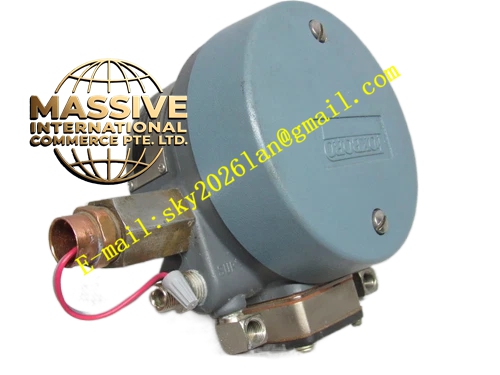
Foxboro E69P-BI1V-S
Technical Specifications
- Product Type: Pneumatic Relay / Volume Booster.
- Input Signal: 3-15 psi or 6-30 psi.
- Output Signal: Proportional to input, with high flow capacity.
- Supply Pressure: Up to 100 psi.
Functional Features
- High Flow Capacity: Rapidly charges or exhausts large actuator diaphragms or cylinders.
- Accurate Tracking: Precisely follows the input signal with minimal offset.
- Fast Response: Minimizes dead time in control loops.
- Rugged Design: Built for continuous duty in industrial environments.
Application Scenarios
Used with large control valves, dampers, and actuators where the standard positioner output is insufficient to achieve the desired response time.
Performance Parameters
- Gain: Adjustable or fixed high gain.
- Flow Capacity: High Cv for fast actuator movement.
- Linearity: Excellent tracking of input signal.
Material Composition
Cast aluminum or stainless steel housing. Internal components include precision-machined brass, stainless steel, and synthetic elastomer seals.
Structural Characteristics
Compact housing with large-bore ports for high flow. Features a diaphragm or piston sensing element and a high-capacity supply/exhaust valve. Includes adjustment screws for bias and gain.
Working Principle
The input signal acts on a sensing diaphragm, which moves a valve stem to modulate the supply and exhaust ports. As the output pressure changes, a feedback bellows or piston balances the input force, ensuring accurate tracking.
Installation Requirements
Mount as close to the actuator as possible to minimize volume. Connect the supply through a filter-regulator. Use appropriately sized tubing for high-flow connections.
Usage Precautions
- Always use clean, dry instrument air.
- Do not exceed the maximum supply pressure.
- Adjust the bias and gain carefully to prevent instability.