


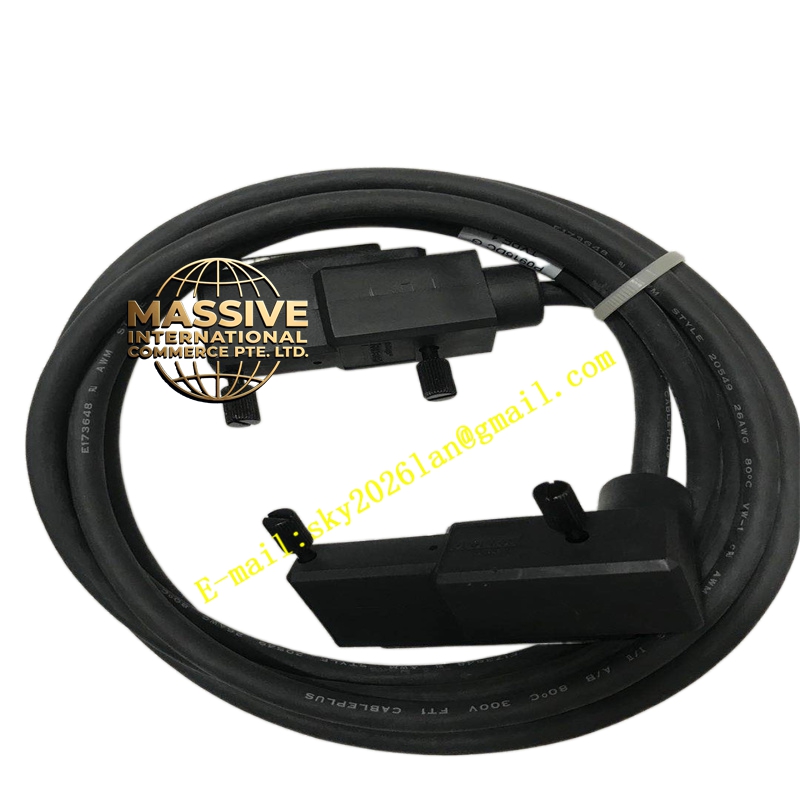
Description
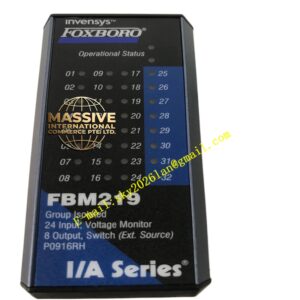
Foxboro P0916DC
Technical Specifications
- Series: Foxboro I/A Series.
- Type: Field Bus Module / Interface.
- Operating Environment: Rated for G3 harsh environments.
Functional Features
- Signal Isolation: Provides galvanic isolation to protect sensitive control electronics from field-side surges.
- Data Routing: Efficiently routes digital and analog signals between the backplane and field terminals.
- Hot-Swappable: Supports online replacement to minimize process downtime.
Application Scenarios
Deployed in petrochemical, power generation, and water treatment facilities where robust signal interfacing is required for continuous process control.
Performance Parameters
- Response Time: Millisecond-level signal processing and routing.
- Isolation Voltage: High dielectric strength to ensure safety and signal integrity.
Material Composition
Features a ruggedized enclosure with conformal-coated internal electronics to resist moisture, dust, and corrosive gases.
Structural Characteristics
- Form Factor: Compact single-wide module design for high-density cabinet installation.
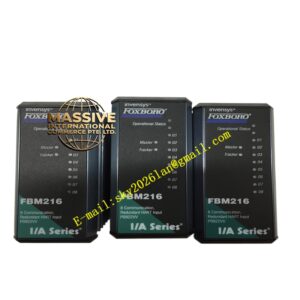
- Indicators: Front-panel LEDs for real-time status and diagnostic feedback.
Working Principle
The module receives raw signals from the field, conditions and isolates them, and places them on the internal module fieldbus for the controller to process. It also translates controller output commands into appropriate field-level signals.
Installation Requirements
- Mount securely on the designated 200 Series baseplate.
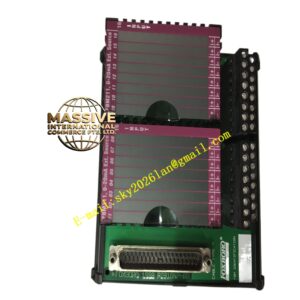
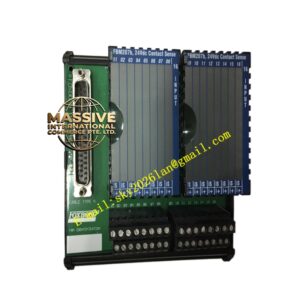
- Connect field wiring to the corresponding Terminal Assembly (TA).
- Ensure proper backplane engagement.
Usage Precautions
- Verify hardware revision codes match system requirements before installation.
- Do not force the module into the baseplate; ensure proper alignment.
- Follow ESD (Electrostatic Discharge) safety protocols during handling.