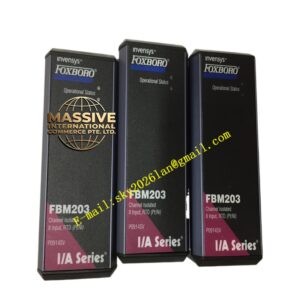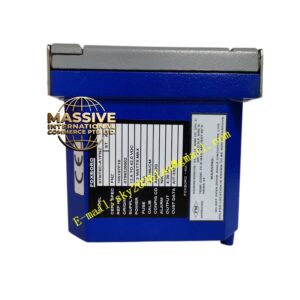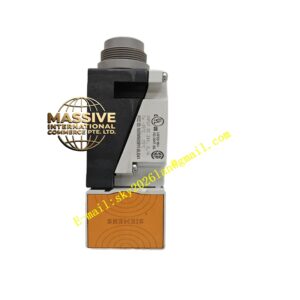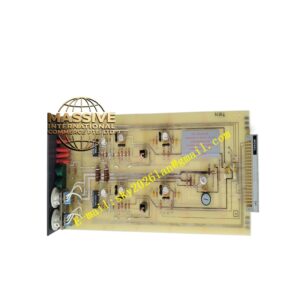



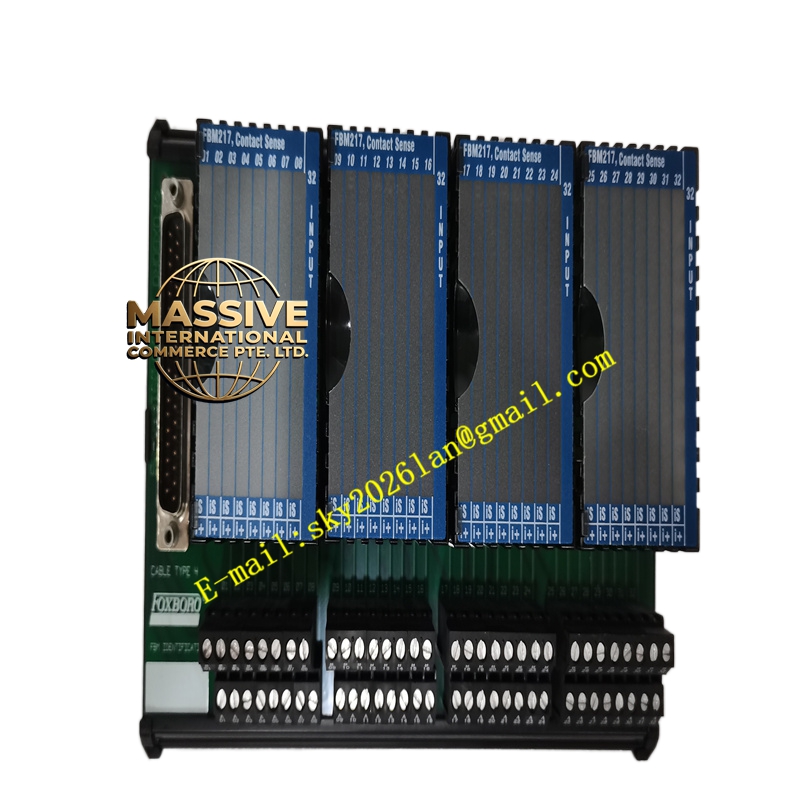
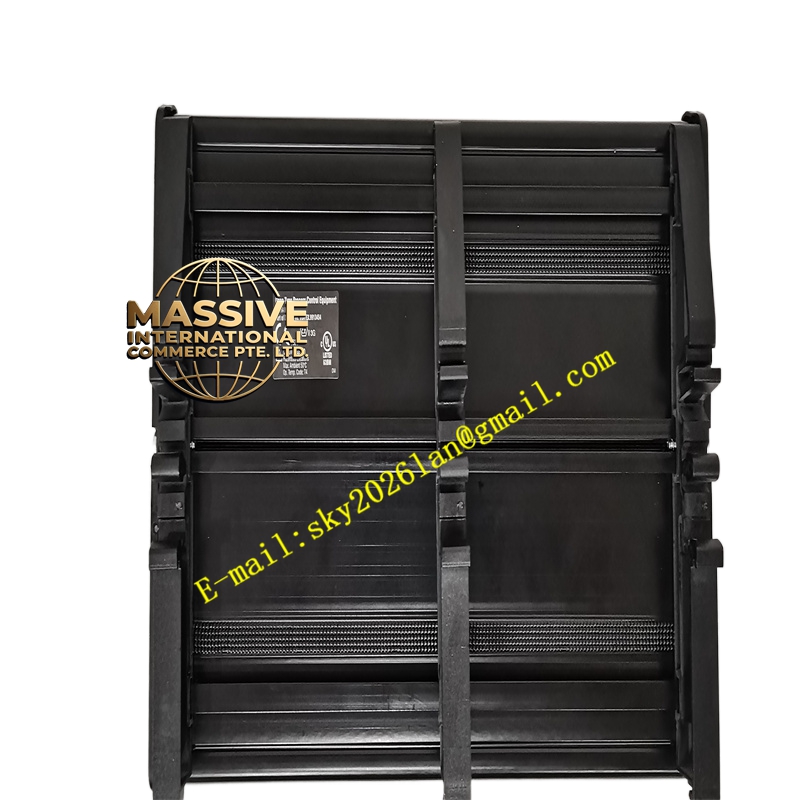
Description
Foxboro P0916PWOC Technical Specifications:
- System Architecture: I/A Series Distributed Control System.
- Data Buffering: High-speed data buffers to manage the speed differential between the CPU and field I/O devices.
- Error Checking: Integrated error detection and correction mechanisms.
- Command Recognition: Dedicated control registers for receiving and decoding CPU commands.
Functional Features:
- Data Exchange: Facilitates high-speed parallel data transfer between the controller and field devices.
- State Reporting: Maintains status registers to continuously report device and module health to the CPU.
- Error Control: Automatically detects transmission errors and triggers re-transmission protocols to ensure data integrity.
- Address Recognition: Uniquely identifies its assigned address on the control bus.
Application Scenarios:
- Critical process control loops in chemical processing.
- High-speed data acquisition in manufacturing automation.
- Redundant control applications requiring deterministic performance.
Performance Parameters:
- Processing Speed: Microsecond-level instruction execution for real-time control.
- Reliability: High Mean Time Between Failures (MTBF) suitable for continuous industrial operation.
- Environmental Tolerance: Rated for G3 harsh environment conditions (high dust, humidity, and EMI).
Material Composition & Structural Characteristics:
- PCB: Multi-layer industrial-grade printed circuit board with conformal coating.
- Components: Industrial-grade RISC processors, SRAM, and high-reliability passive components.
- Form Factor: Standard I/A Series module footprint.
Working Principle: The module acts as an intelligent interface. It receives high-level commands from the main CPU, decodes them, and executes specific micro-operations (such as reading a batch of inputs or writing outputs). It buffers the data and manages the handshaking protocols to ensure seamless communication without burdening the main processor.
Installation Requirements:
- Slot Assignment: Install in designated controller or high-speed I/O slots within the rack.
- Bus Termination: Verify that the backplane bus is properly terminated if required by the system architecture.
- Software Configuration: Load the appropriate control logic and I/O mapping database before commissioning.
Usage Precautions:
- Firmware Compatibility: Ensure the module firmware matches the system software version to prevent communication faults.
- Thermal Management: Maintain adequate airflow around the module to prevent overheating during high-load processing.
- Diagnostics: Utilize the system HMI to monitor module status and clear latched faults after maintenance.