


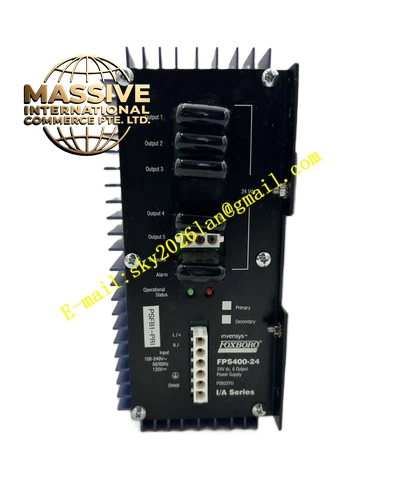
Description
Foxboro P0951CK-A
Technical Specifications
- Hardware Code: P0951CK-A
- Product Series: Foxboro I/A Series DCS
- Processor: High-speed industrial microprocessor
- Communication: Redundant Module Fieldbus and Ethernet integration
Key Features
- Reliable Local Control: Executes complex control strategies locally to minimize network latency.
- Scalable Architecture: Supports extensive I/O module expansion for large-scale industrial applications.
- Hot-Swappable Maintenance: Allows for safe online module replacement to minimize unplanned downtime.
- Integrated Diagnostics: Provides real-time health monitoring and fault reporting.
Application Scenarios
Deployed across various process industries, including chemicals and power generation, serving as a dependable control node for continuous manufacturing processes.
Performance Parameters
- Operating Temperature: 0°C to 60°C
- Protection Rating: IP20
- Power Supply: 24 VDC via backplane
Material Composition
Constructed with a durable industrial-grade enclosure and conformal-coated internal PCBs to resist corrosion and harsh atmospheric conditions.
Structural Characteristics
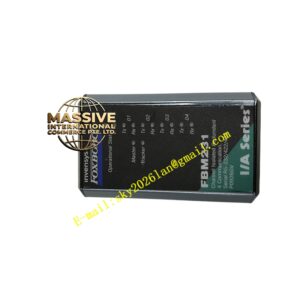
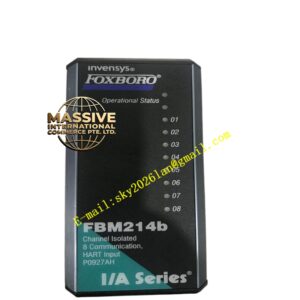
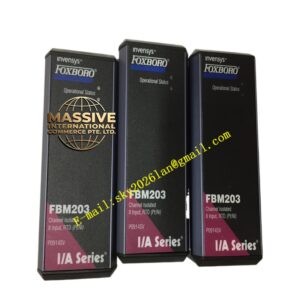
Standard 200 Series FBM/FCM form factor. Features clear front-panel status LEDs and precision rear connectors for seamless backplane integration.
Operating Principle
Acquires power and establishes communication via the system backplane. It processes field data from connected I/O modules and executes control logic, exchanging information with the upper-level network.
Installation Requirements
Install in a clean, well-ventilated control cabinet. Ensure adequate front clearance for hot-swapping and maintain a low-impedance protective earth ground.
Usage Precautions
Verify that the hardware code matches the system’s compatibility matrix. Never force-insert components while energized, and always observe standard ESD precautions during handling.