


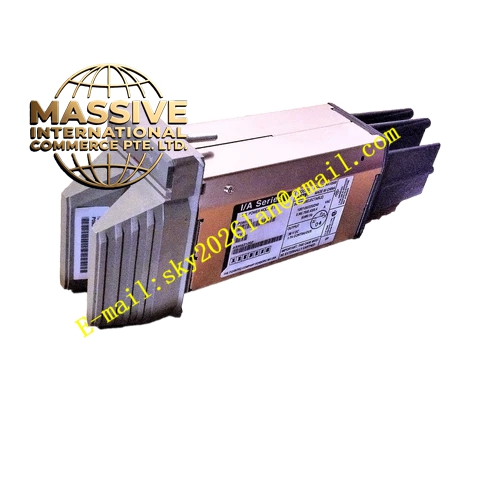
Description
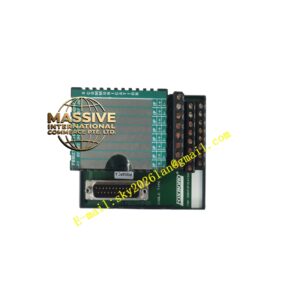
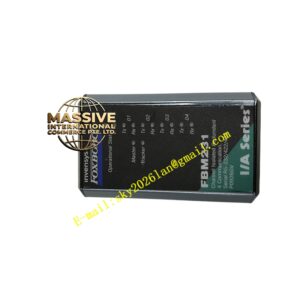
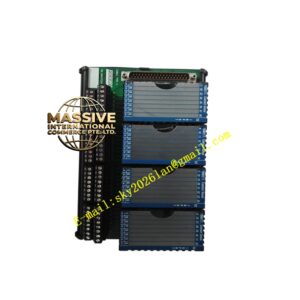
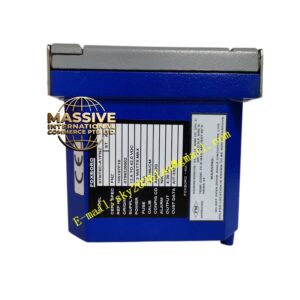
Foxboro PO903NQ
Technical Specifications
- Product Series: Foxboro I/A Series.
- Processor Type: 32-bit industrial-grade microprocessor.
- Communication Protocols: Supports Modbus TCP/IP, ControlNet, and Ethernet/IP.
- Scalability: Compatible with the full range of I/O modules and fieldbus expansion modules.
Functional Features
- Multi-Protocol Compatibility: Enables seamless communication with diverse field devices and third-party systems.
- High-Speed Networking: Integrates a 100Mbps fiber optic Ethernet interface to guarantee rapid data transmission across the control network.
- High Fault Tolerance: Supports a hot-standby redundant architecture for continuous system availability.
- Flexible Configuration: Simplifies installation and setup, effectively reducing system integration costs.
Application Scenarios
Ideal for manufacturing, chemical processing, power generation, and other industrial automation environments requiring high-precision process control and monitoring.
Performance Parameters
- Operating Temperature: 0℃ to 60℃.
- Storage Temperature: -40℃ to 85℃.
- Communication Rate: 100Mbps fiber optic Ethernet.
Material Composition
Encased in a high-strength die-cast aluminum housing with multi-layer industrial-grade PCBs internally, providing outstanding vibration resistance and anti-interference capabilities.
Structural Characteristics
- Compact Design: Optimizes control cabinet internal space.
- Modular Interfaces: Standardized backplane connectors facilitate rapid installation and replacement.
Working Principle
Acting as a core node in the control network, the PO903NQ continuously receives data from field sensors, executes complex control strategies, transmits regulation signals to actuators, and uploads real-time status to the supervisory layer via the industrial Ethernet.
Installation Requirements
- Ensure adequate ventilation within the control cabinet to meet heat dissipation needs.
- Fiber optic and network cable connections must adhere to EMC standards to prevent signal degradation.
- The grounding system must strictly comply with industrial control standards.
Usage Precautions
- Verify hardware version and system firmware compatibility when replacing modules.
- Avoid exposing the module in environments with highly corrosive gases.
- Conduct regular system diagnostics to confirm the status of redundant components.