


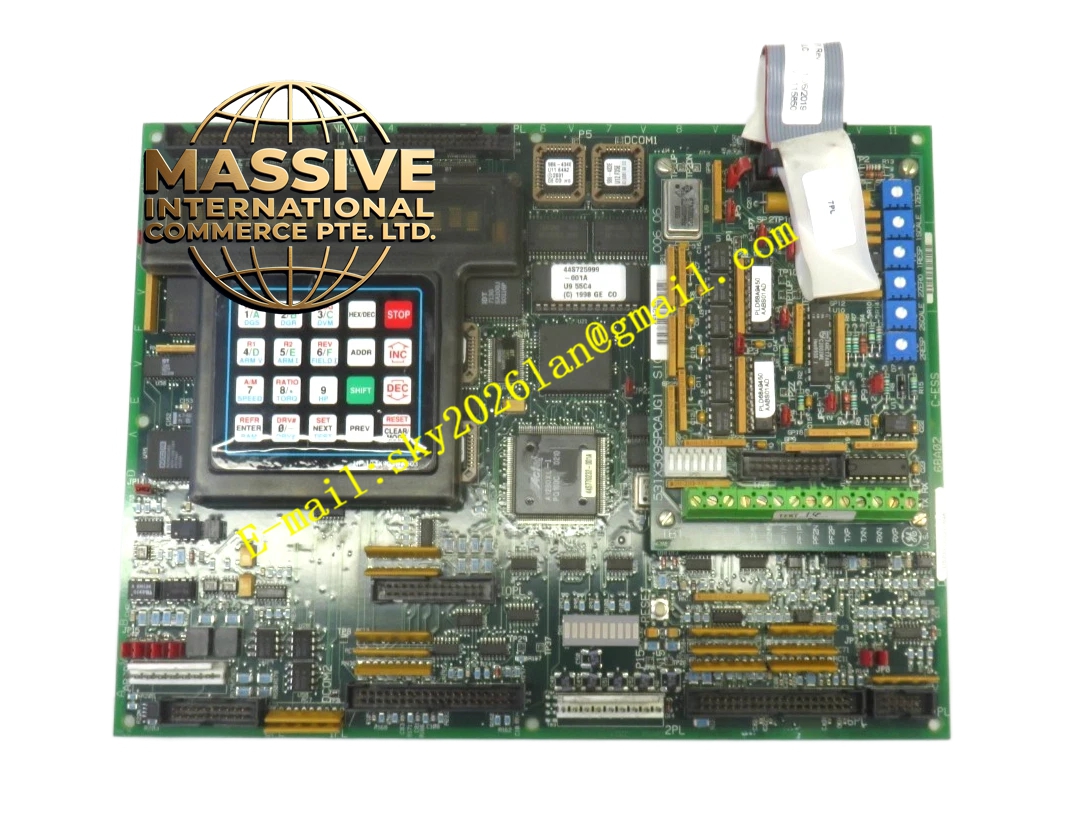
Description
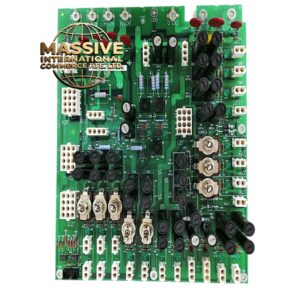
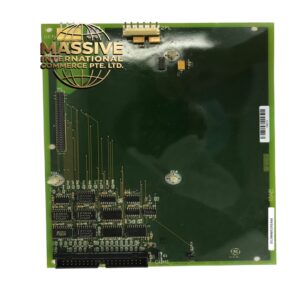
GE DS200LDCCH1A
Technical Specifications:
- Brand: General Electric (GE)
- Model: DS200LDCCH1A
- Product Type: Digital Signal Processor Board
- System Compatibility: GE Mark V / Mark VIe Turbine Control Systems
Functional Features:
- High-Speed Computation: Executes complex turbine control algorithms and signal processing tasks with ultra-low latency.
- Advanced Control Logic: Supports PID, adaptive control, and predictive maintenance algorithms.
- High-Bandwidth Data Transfer: Rapidly exchanges data with I/O modules and host controllers over the internal backplane.
Application Scenarios:
Deployed in high-performance gas and steam turbine controls for active vibration control, combustion dynamics monitoring, and precision speed regulation.
Performance Parameters:
- Processing Speed: High-clock-speed DSP for deterministic, real-time closed-loop control.
- Precision: High-resolution floating-point arithmetic for highly accurate process control.
Material Composition:
Premium electronic components with high-speed PCB trace routing to minimize signal degradation and crosstalk.
Structural Characteristics:
Standard turbine control board form factor with secure backplane interface and comprehensive diagnostic LED indicators.
Working Principle:
Acquires high-speed data from chamber and mechanical sensors, executes complex mathematical control algorithms, and outputs precise, real-time control signals to actuators and fuel valves.
Installation Requirements:
Ensure proper seating in the designated backplane slot. Provide adequate cooling, as DSP boards can generate significant heat during peak processing.
Usage Precautions:
Handle with extreme ESD care. Always verify control algorithm parameters and safety limits before enabling closed-loop operation.