


Description
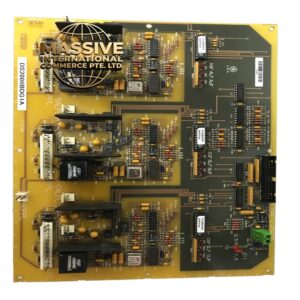
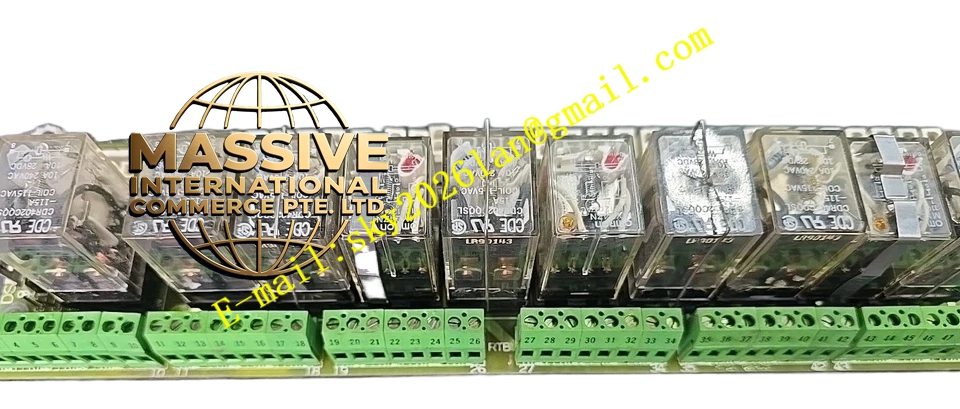
GE DS200RTBAG3A
Technical Specifications
- Product Type: Relay / Terminal Board.
- System Compatibility: GE Speedtronic Mark V.
- Revision: G3A indicating specific hardware/firmware version.
Functional Features
- Relay Isolation: Provides galvanic isolation between low-voltage control signals and high-power field circuits.
- Terminal Integration: Integrates screw terminals for direct field wiring.
- Signal Amplification: Boosts control signals to drive heavy-duty solenoids and contactors.
Application Scenarios
- Turbine Control: Interfacing with solenoid valves, motor starters, and alarms in turbine systems.
- Safety Systems: Providing isolated outputs for emergency shutdown systems.
Performance Parameters
- Contact Rating: Rated for industrial relay switching currents and voltages.
- Isolation Voltage: High dielectric strength for safe signal isolation.
Material Composition
- Assembly: PCB with integrated electromechanical relays and terminal blocks.
- Housing: Protective framing for mechanical support.
Structural Characteristics
- Design: Compact assembly designed for Mark V rack mounting.
- Labeling: Clear silkscreen for terminal and relay identification.
Working Principle
Receives low-power logic signals from the Mark V I/O boards, energizes internal relays, and switches high-power field circuits. It also provides a secure terminal point for field wiring connections.
Installation Requirements
- Follow Mark V wiring manuals for proper termination.
- Ensure proper grounding of the RTBA chassis.
Usage Precautions
- Verify field voltage matches relay specifications before energizing.
- Use proper torque on terminal screws to prevent loose connections.