


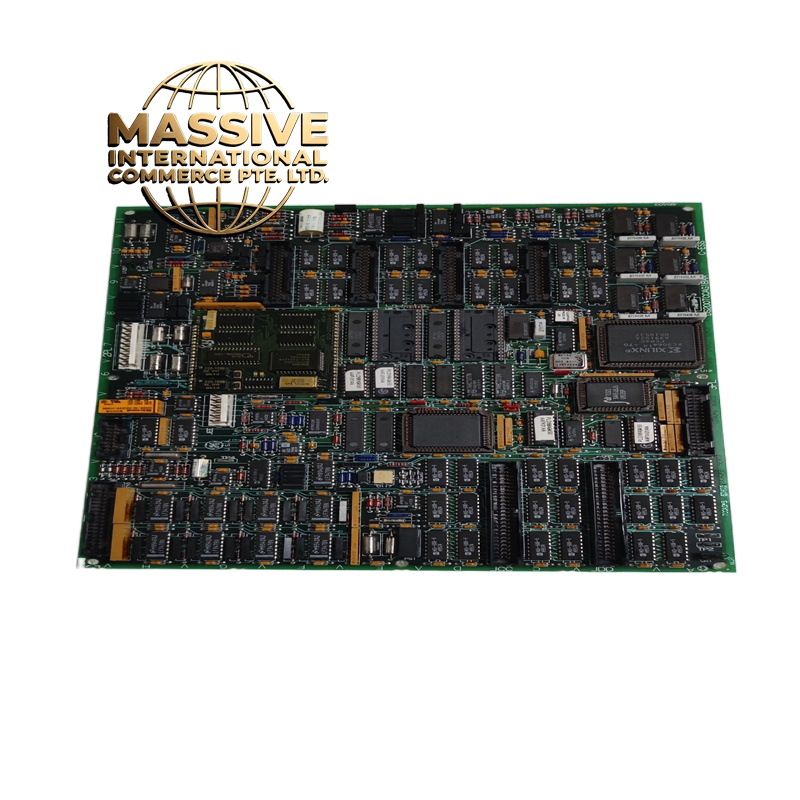
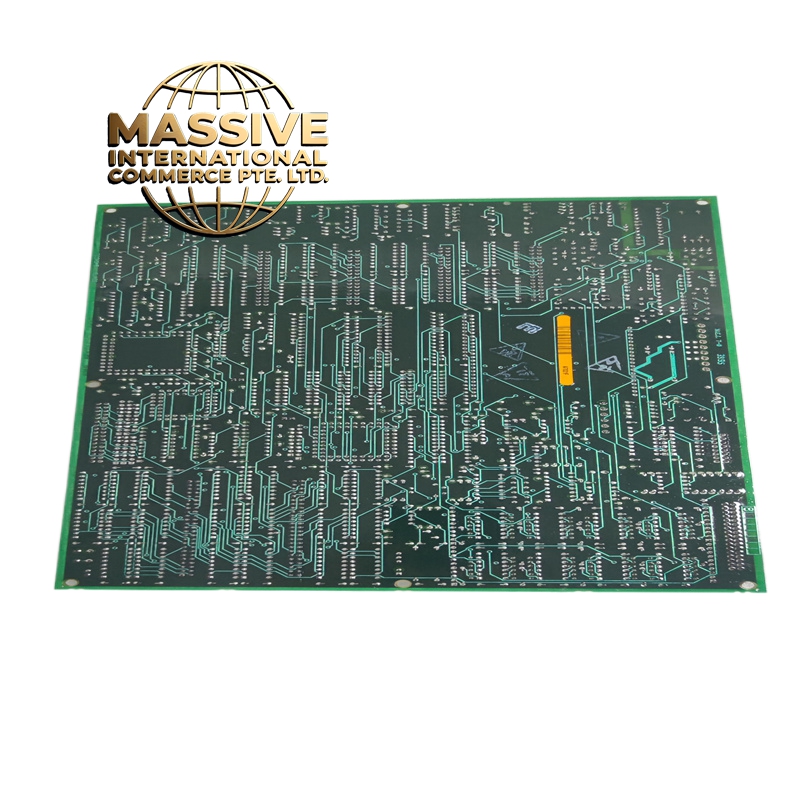
Description
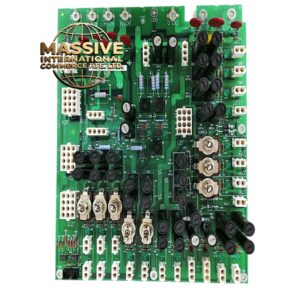
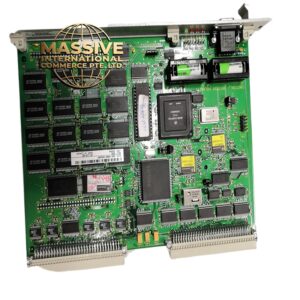
GE DS200TCCAG1BAA Technical Specifications:
- Hardware Revision: AA suffix denotes specific manufacturing lot or component upgrade.
- System Compatibility: Mark VI Speedtronic Control System.
- Processing: Advanced DSP for turbine sequencing and protection.
Functional Features:
- Enhanced Diagnostics: Improved self-test routines for faster fault isolation.
- Backward Compatibility: Designed to seamlessly replace older DS200TCCAG1B boards in existing TMR racks.
- Precision Control: Maintains tight tolerances for fuel valve positioning and speed droop control.
Application Scenarios:
- Upgrades and retrofits of legacy Mark V turbine control systems.
- Spare parts for existing Mark VI turbine installations.
- Critical power generation infrastructure.
Performance Parameters:
- Thermal Performance: Optimized component layout for better heat dissipation in enclosed turbine cabinets.
- Signal Processing: High-resolution ADC/DAC for accurate sensor feedback and actuator control.
Material Composition & Structural Characteristics:
- Components: Industrial-grade, high-temperature-rated electronic components.
- Conformal Coating: Protective coating on PCB to resist moisture, oil mist, and corrosive gases in turbine enclosures.
Working Principle: Operates identically to the base TCCAG1B model, executing turbine control laws, managing startup/shutdown sequences, and providing overspeed protection through redundant processing channels.
Installation Requirements:
- Revision Verification: Confirm that the AA revision is approved for the specific turbine control system configuration.
- Jumper Settings: Verify and match all hardware jumpers and DIP switches to the original board.
- Calibration: Perform sensor calibration and loop checks after installation.
Usage Precautions:
- Mixing Revisions: Consult GE documentation before mixing different hardware revisions within the same TMR rack.
- Environmental Limits: Strictly adhere to the operating temperature and humidity specifications.
- Maintenance: Keep the board and cabinet clean; accumulated dust can cause overheating.