


Description
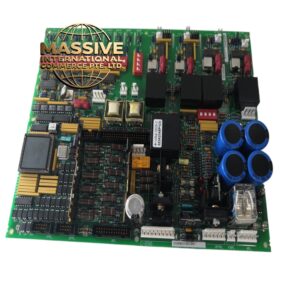
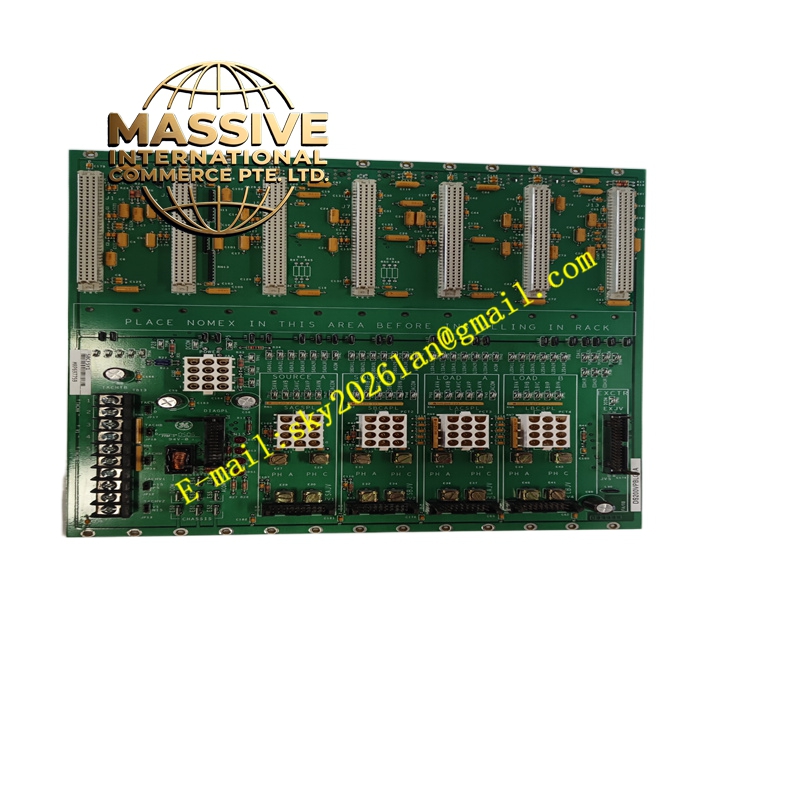
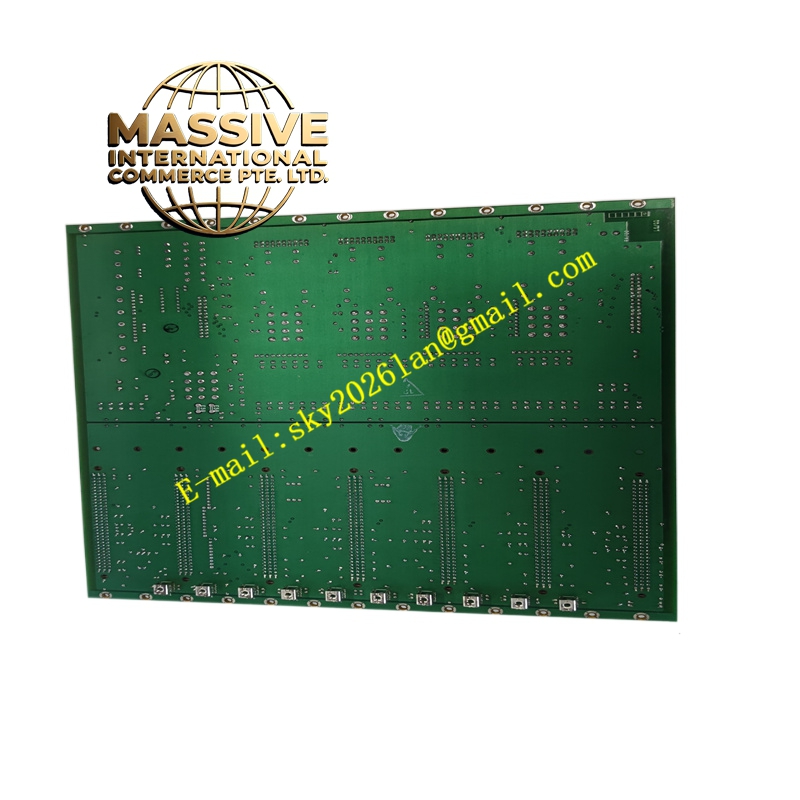
GE DS200VPBLG1AFF
Technical Specifications:
- Brand: General Electric (GE)
- Model: DS200VPBLG1AFF
- Product Type: Vibration Protection Board
- System Compatibility: GE Mark V Turbine Control System
Functional Features:
- Real-Time Monitoring: Continuously acquires and processes vibration data from multiple proximity probes and accelerometers.
- Automatic Trip Logic: Triggers immediate, deterministic shutdown sequences when vibration exceeds predefined safety thresholds.
- Advanced Diagnostics: Provides detailed vibration spectra and trend data for predictive maintenance.
Application Scenarios:
Mandatory for protecting gas turbines, steam turbines, and large compressors from bearing failures, rotor imbalance, and blade damage.
Performance Parameters:
- Response Time: Millisecond-level fault detection and relay actuation.
- Signal Integrity: Exceptional noise rejection to prevent false trips in electrically noisy environments.
Material Composition:
Industrial-grade electronics with enhanced EMI shielding to operate reliably near high-power generators.
Structural Characteristics:
Standard Mark V board form factor featuring multiple BNC or terminal block inputs for vibration sensors, and front-panel status LEDs.
Working Principle:
Receives raw vibration signals from field sensors, applies digital filtering and FFT analysis, and compares the results against safety limits to actuate protective relays.
Installation Requirements:
Use properly shielded vibration cables and ensure single-point grounding to prevent ground loops. Route cables away from high-voltage power lines.
Usage Precautions:
Never bypass vibration protection interlocks. Regularly calibrate sensors and verify trip setpoints to ensure system reliability.