


Description
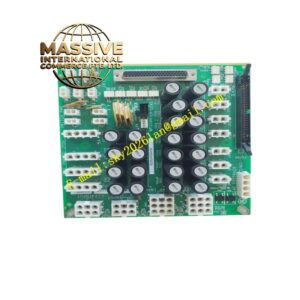
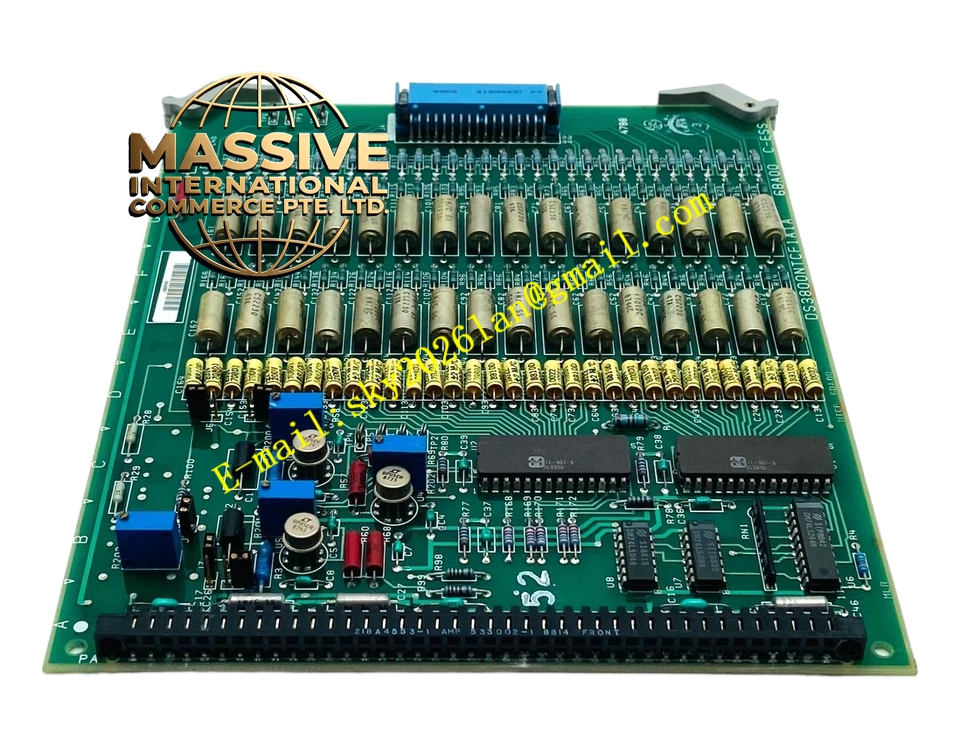
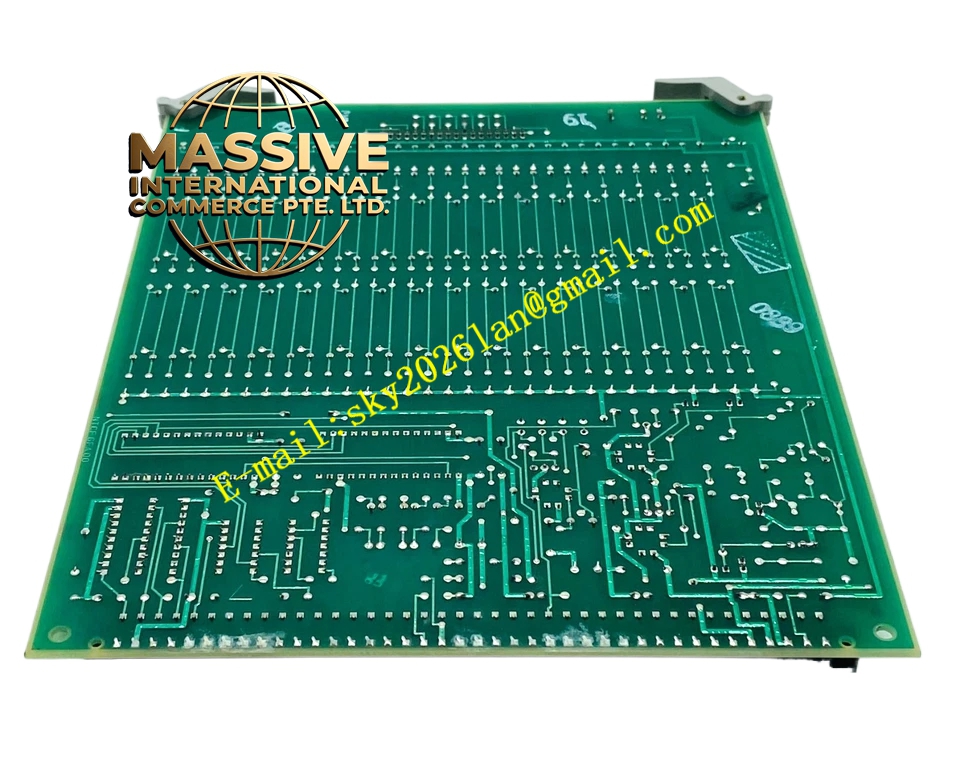
GE DS3800NTCF1A1A
Technical Specifications
- System Compatibility: Exclusively designed for the GE Speedtronic MKIV control architecture.
- Signal Type: Analog and digital signal processing for turbine parameters.
- Mounting: Standard backplane slot mounting within the MKIV rack.
Functional Features
- Turbine Parameter Regulation: Actively monitors and regulates critical turbine variables such as exhaust temperature, fuel flow, and shaft speed.
- High-Speed Data Processing: Executes complex control algorithms in real-time to maintain optimal turbine efficiency.
- Fault Diagnostics: Continuously performs self-diagnostics and communicates fault codes to the main system controller.
Application Scenarios
- Power Generation: Used extensively in combined-cycle and simple-cycle gas turbine power plants.
- Mechanical Drive: Applied in industrial gas turbines used for driving compressors in oil and gas pipelines.
Performance Parameters
- Reliability: Engineered for continuous 24/7 operation in high-vibration, high-temperature industrial environments.
- Response Time: Millisecond-level processing speed for critical safety and control loops.
Material Composition
- Substrate: Multi-layer industrial-grade printed circuit board (PCB) with gold-plated traces.
- Components: High-reliability integrated circuits and precision analog components.
Structural Characteristics
- Form Factor: Standard MKIV series board dimensions.
- Connectors: High-density backplane edge connectors for seamless integration.
Working Principle
The board receives raw sensor data from the turbine via the backplane, processes this data using embedded microprocessors, and outputs precise control signals to actuators and fuel valves to maintain the desired operational setpoints.
Installation Requirements
- Ensure the system is completely powered down and isolated before installation.
- Align the board carefully with the backplane guides to prevent damage to the edge connector pins.
Usage Precautions
- Strictly adhere to Electrostatic Discharge (ESD) protocols when handling the board.
- Do not attempt to repair internal components; replace the entire board if a fault is isolated to this module.