


Description
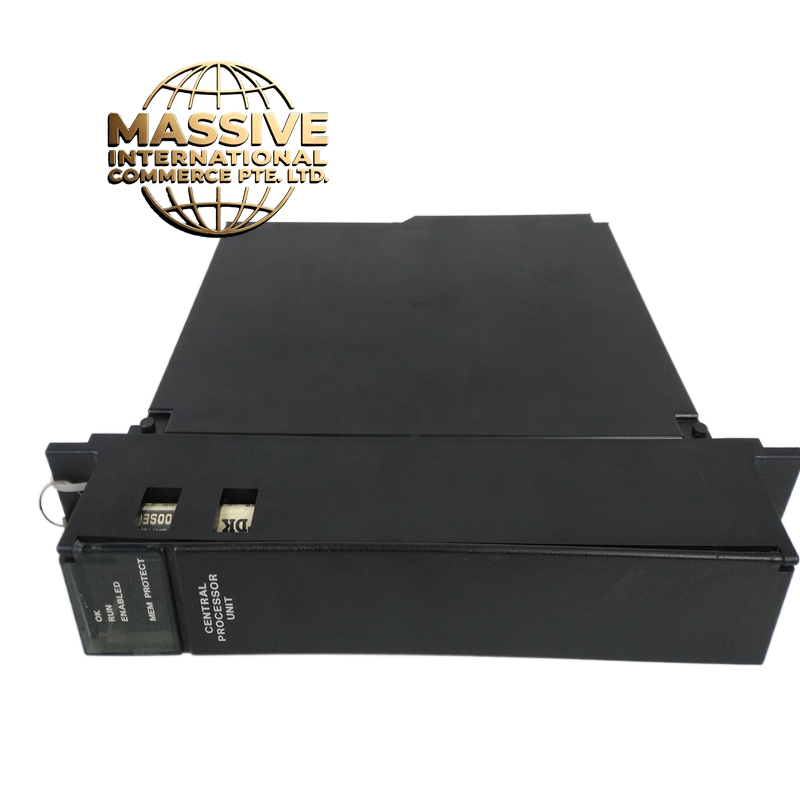
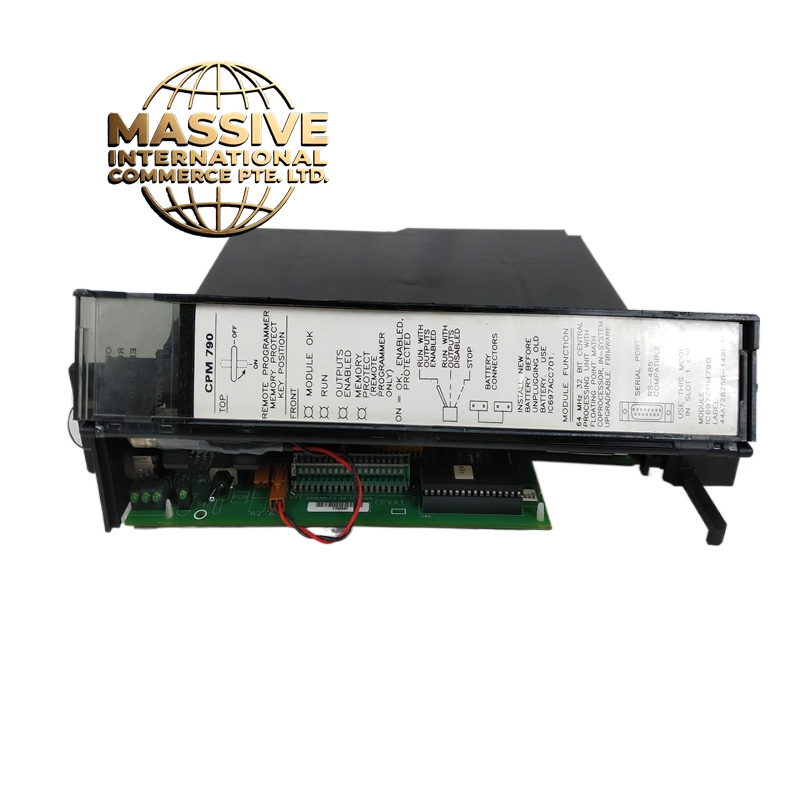
GE IC697CPM790
- Technical Specifications:
- Ports: 2 x RJ-45 10/100Base-TX Ethernet
- Speed: 10 Mbps / 100 Mbps auto-negotiation
- Protocols: TCP/IP, UDP/IP, EtherNet/IP (implicit and explicit messaging), Modbus TCP, SNMP, HTTP, FTP, DHCP, DNS
- Max Connections: 256 simultaneous TCP/IP connections
- Buffer Size: 128KB total (shared between ports)
- Backplane Interface: IC697 Genius Bus
- Power Supply: 5VDC from backplane (800mA typical)
- Operating Temperature: 0°C to 60°C
- Dimensions: Standard IC697 module form factor
- Functional Features:
- Dual-port Ethernet with built-in switch — both ports active simultaneously
- EtherNet/IP adapter functionality — compatible with Rockwell/Allen-Bradley EtherNet/IP networks
- Peer-to-peer messaging between 90-70 PLCs via Ethernet
- Embedded web server for diagnostics and configuration
- SNMP v1/v2c/v3 support for network management
- Supports firmware upgrades via Ethernet (TFTP/FTP)
- LED indicators for Link, Activity, Fault per port
- Application Scenarios:
- SCADA/HMI communication over Ethernet
- Remote programming and diagnostics via Ethernet
- Peer-to-peer data exchange between multiple 90-70 PLCs
- Modbus TCP integration with third-party devices
- Ethernet/IP network integration (interoperability with Allen-Bradley)
- Firmware updates over the network
- Performance Parameters:
- Throughput: Up to 95 Mbps (TCP) per port
- Latency: <1ms for local network, <10ms for WAN
- Packet Size: 64 to 1518 bytes (standard Ethernet frame)
- Isolation: Magnetic isolation (transformers) on each Ethernet port
- ESD Protection: ±8kV contact (IEC 61000-4-2)
- EMC: EN 61131-2, FCC Part 15 Class A
- Material Composition:
- Housing: UL94 V-0 polycarbonate/ABS blend
- PCB: 6-layer FR-4, conformal coating
- Connectors: RJ-45 magnetic jacks (with integrated transformers), gold-plated backplane edge connector
- Isolation: Pulse transformers for Ethernet port isolation
- LEDs: Green (Link), Yellow (Activity), Red (Fault) per port
- Structural Features:
- Standard IC697 module width
- 2 RJ-45 Ethernet ports on front panel
- 6 LED indicators (3 per port: Link, Activity, Fault)
- DIN-rail or chassis mount
- Backplane connector with keyed alignment
- Working Principle:
- The module contains a dedicated Ethernet controller ASIC with an integrated TCP/IP stack. The GE CPU sends data to the module via the Genius Bus backplane. The Ethernet controller encapsulates this data into TCP/IP or UDP/IP packets and transmits them via the RJ-45 ports. The built-in switch allows both ports to operate on the same subnet simultaneously. Incoming packets are decapsulated and the payload is written to a dual-port RAM, which the CPU reads via the backplane bus.
- Installation Requirements:
- Mount in IC697 chassis (90-70 CPU rack)
- Connect Ethernet cables (Cat5e or better, shielded recommended) to both RJ-45 ports
- Configure IP address, subnet mask, and gateway via PLC programming software
- Enable the Ethernet ports in the CPU configuration
- Use shielded cable in high-EMI environments, ground shield at one end
- Usage Precautions:
- Use only Cat5e or Cat6 shielded twisted-pair cable
- Do not exceed 100 meters cable length per segment
- Set unique IP addresses for each module in the network
- Enable the switch function only when both ports are on the same subnet
- Do not connect Ethernet ports directly to the internet without a firewall
- Update firmware regularly for security patches