


Description
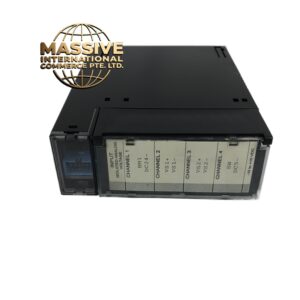
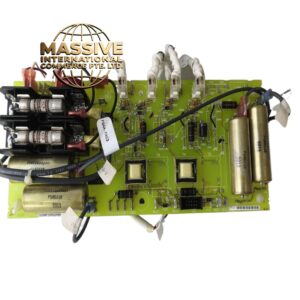
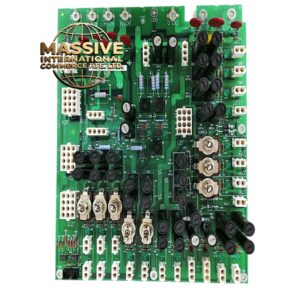
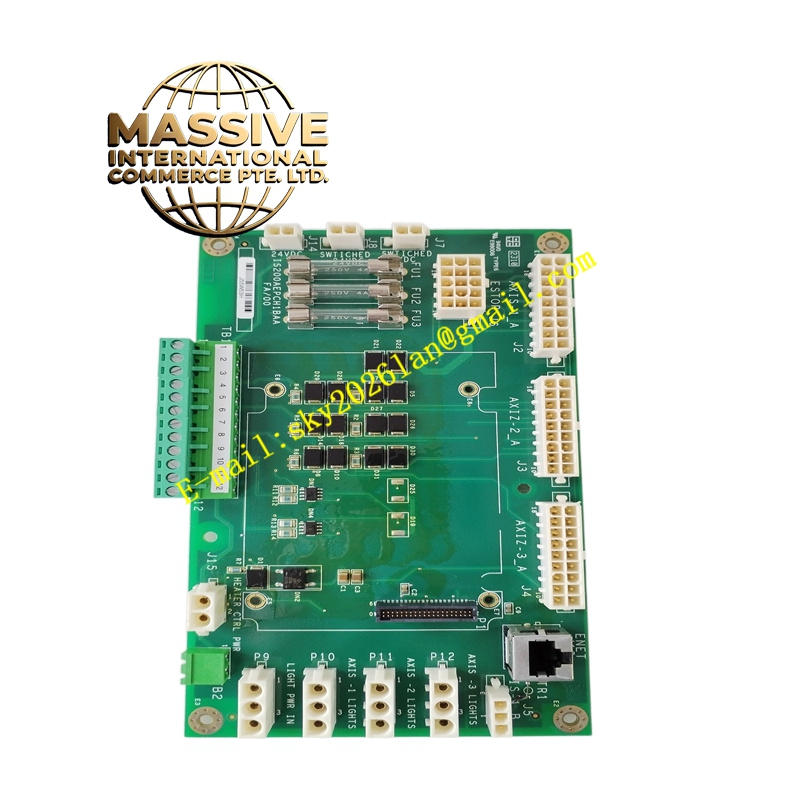
GE IS200AEPCH1BAA
- Technical Specifications:
- Input Voltage: 24 VDC
- Output Voltage: 0–10 VDC analog output range
- Working Temperature Range: -40 °C to +85 °C
- Communication Interfaces: RS-485; also supports RS-232 and RS-422 on certain revisions
- Dimensions: Approximately 100 mm × 50 mm × 30 mm
- Weight: Approximately 200 g
- Signal Types Supported: Voltage and current analog inputs/outputs (typical ranges: 0–10 V, 4–20 mA)
- Functional Characteristics:
- Provides high-precision analog signal processing for control and monitoring
- Supports multiple analog input and output channels for flexible configuration
- Designed to interface with a variety of sensors and actuators
- Modular design allows easy integration into Mark VI systems and other industrial controllers
- Includes built-in isolation and filtering for improved signal integrity
- Application Scenarios:
- Gas and steam turbine control for real-time parameter monitoring and actuation
- Wind turbine pitch control systems optimizing efficiency
- Industrial automation requiring precise analog signal interfacing
- Process control environments where accurate analog I/O is critical
- Performance Parameters:
- High accuracy and stability over wide temperature ranges
- Fast response times suitable for dynamic control loops
- Low power consumption and high reliability for continuous operation
- Material and Structural Characteristics:
- Compact and robust printed circuit board assembly
- Industrial-grade components with conformal coating options for harsh environments
- Connectors designed for secure and reliable field wiring
- Enclosure options support panel or rack mounting configurations
- Working Principle:
- Receives analog signals from field sensors and performs conditioning and digitization
- Converts digital control commands into analog output signals for actuators
- Communicates with controllers via supported serial interfaces
- Uses isolation techniques to protect control circuits from field disturbances
- Installation Requirements:
- Mount in a control cabinet ensuring adequate ventilation and spacing
- Connect field wiring using appropriate shielded cables to reduce noise
- Verify power supply compatibility and grounding before energizing
- Configure communication parameters to match system requirements
- Usage Notes:
- Ensure correct signal ranges and wiring polarity to avoid inaccurate readings
- Use appropriate termination and shielding practices for long cable runs
- Regularly inspect connections and clean contacts to maintain reliability
- Follow manufacturer guidelines for configuring and calibrating analog channels