


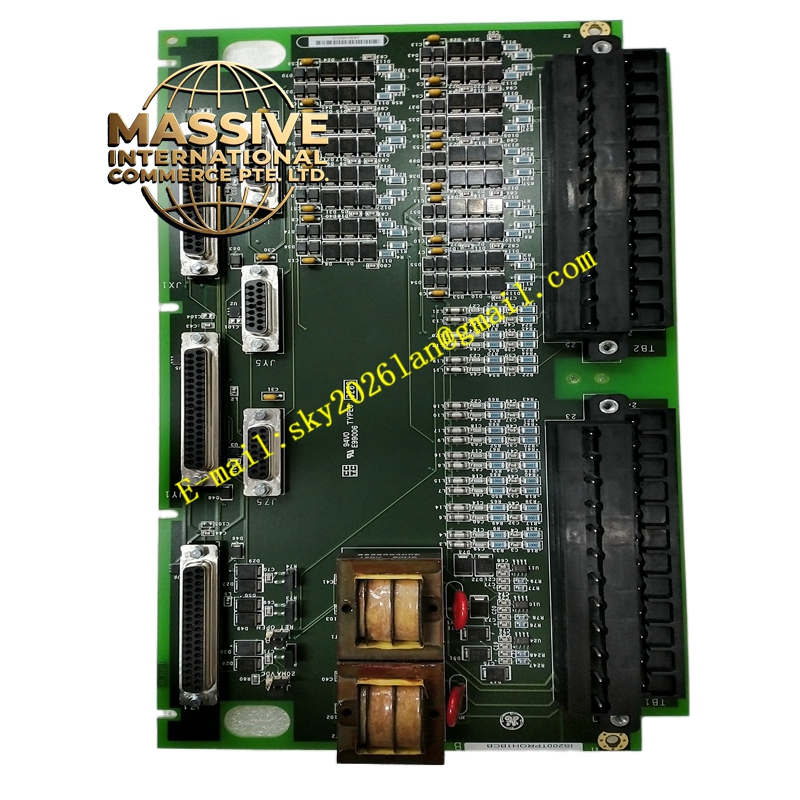
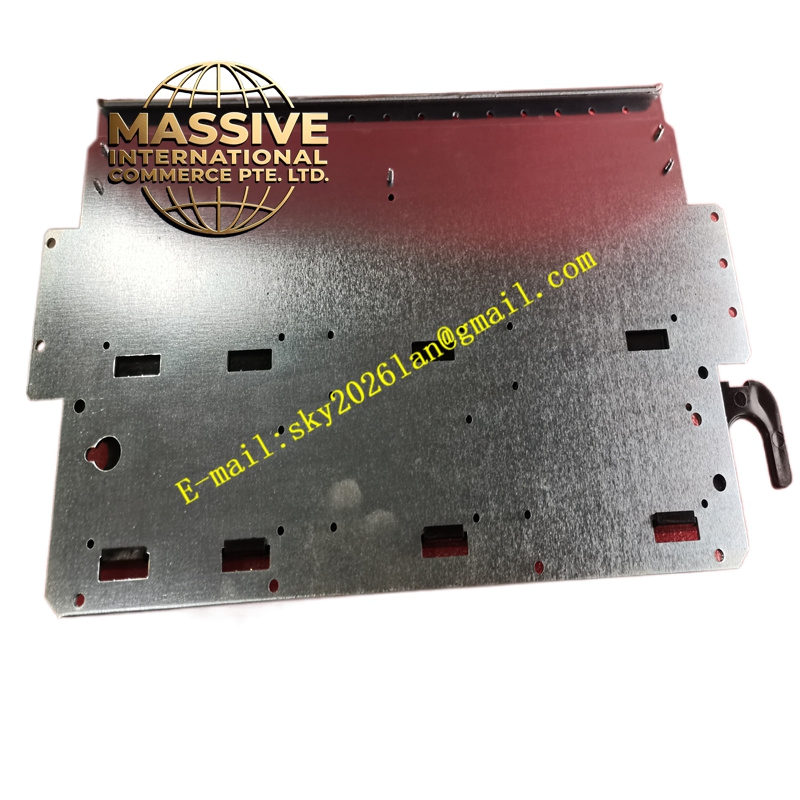
Description
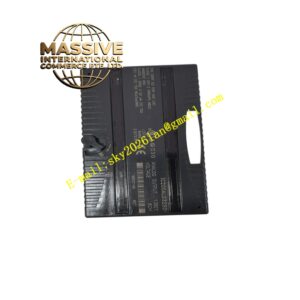
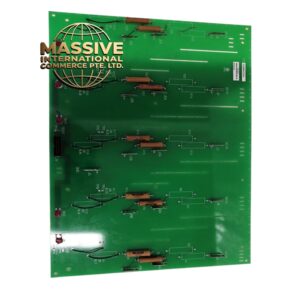
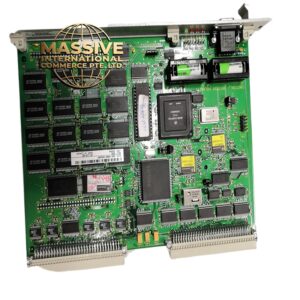
GE IS200TPROH1C Technical Specifications:
- Function: Safety Protection and Trip Logic.
- System: GE Mark VI Speedtronic.
- Redundancy: Supports TMR architecture for safety integrity.
- Response Time: Ultra-fast trip execution (<10ms).
- Safety Level: Designed to meet SIL (Safety Integrity Level) requirements.
Functional Features:
- Parameter Monitoring: Continuously monitors speed, vibration, temperature, and pressure.
- Trip Logic: Executes protective shutdowns based on predefined setpoints.
- Voting Logic: TMR voting to prevent false trips and ensure safe operation.
- Diagnostics: Continuous self-testing and fault reporting.
Application Scenarios:
- Turbine overspeed protection.
- Vibration and bearing temperature protection.
- Lube oil pressure low protection.
- Emergency shutdown (ESD) systems.
Performance Parameters:
- Safety Integrity: SIL 2 or SIL 3 capable (depending on system configuration).
- Reliability: Extremely high MTBF for safety-critical functions.
- Response: Deterministic and guaranteed trip times.
Material Composition & Structural Characteristics:
- PCB: High-reliability board with safety-critical component selection.
- Components: Redundant processors and voting logic circuits.
- Connectors: Secure backplane and field connections.
- Enclosure: Ruggedized protection board housing.
Working Principle: The board receives critical safety signals from redundant sensors. The TMR voting logic compares the signals and determines if a trip condition exists. If a valid trip is detected, the board immediately energizes the trip solenoids to shut down the turbine. Continuous self-diagnostics ensure the board is always ready to protect the machine.
Installation Requirements:
- Safety Procedures: Follow strict safety protocols for safety-critical equipment.
- Wiring: Use redundant wiring for safety sensors.
- Testing: Perform comprehensive safety system testing before commissioning.
- Documentation: Maintain detailed safety system documentation.
Usage Precautions:
- Safety Critical: Never bypass or defeat safety functions without proper authorization.
- Testing: Regularly test the protection system to verify functionality.
- Replacement: Use only factory-calibrated safety boards.
- Training: Ensure personnel are trained in safety system operation and maintenance.