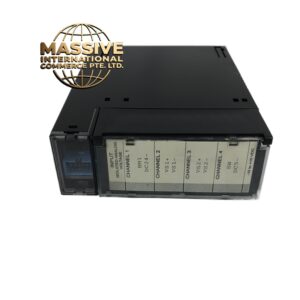





Description
GE IS215WEMAH1A Technical Specifications:
- Brand: General Electric.
- Application Focus: Water and Energy Management.
- I/O Support: Optimized for flow, level, pressure, and temperature sensors.
- Control Logic: Pre-configured algorithms for water/energy processes.
Functional Features:
- Process Optimization: Executes control strategies for efficient water and energy usage.
- Metering Integration: Interfaces with utility meters and sub-meters.
- Alarm Management: Generates alarms for abnormal water/energy conditions.
- Data Logging: Records process data for efficiency analysis and reporting.
Application Scenarios:
- Power plant cooling water systems.
- Industrial water treatment facilities.
- Energy management and conservation systems.
- Boiler feedwater and condensate systems.
Material Composition & Structural Characteristics:
- Design: Optimized for utility monitoring and control.
- Connectors: Configured for standard utility sensor wiring.
- Durability: Designed for continuous operation in utility environments.
Working Principle: The module acquires data from water and energy sensors, processes it using embedded control algorithms, and outputs commands to valves, pumps, and other actuators. It communicates with the main control system to provide integrated plant-wide visibility and control.
Installation Requirements:
- Sensor Wiring: Connect utility sensors according to manufacturer specifications.
- Configuration: Set process parameters and control setpoints via system software.
- Calibration: Calibrate connected meters and sensors for accurate measurement.
Usage Precautions:
- Sensor Compatibility: Ensure connected sensors are compatible with the module’s input specifications.
- Control Logic: Verify control algorithms match the specific process requirements.
- Maintenance: Regularly calibrate utility meters and inspect sensor connections.