


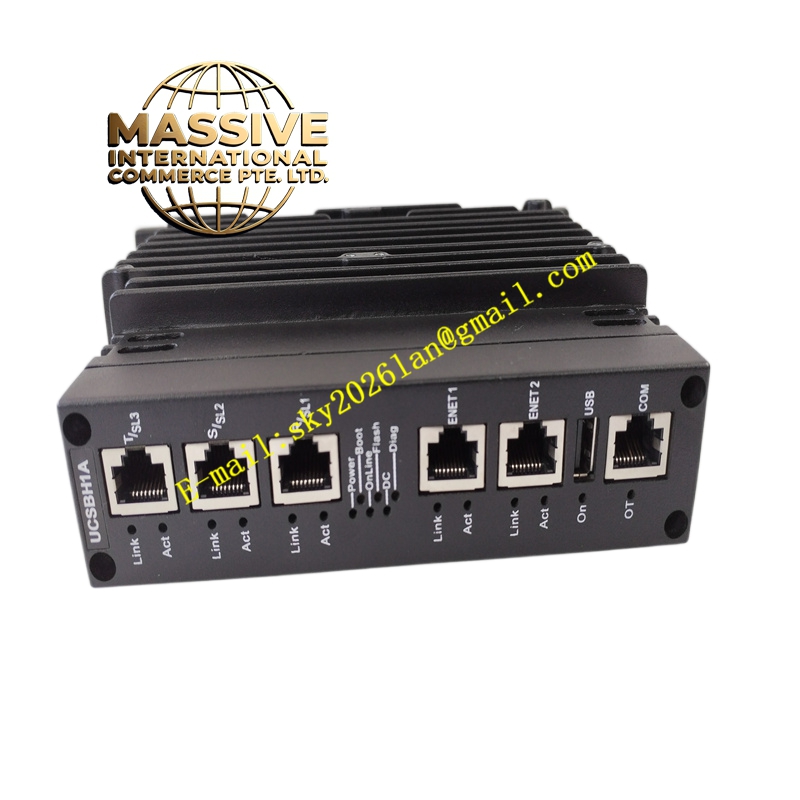
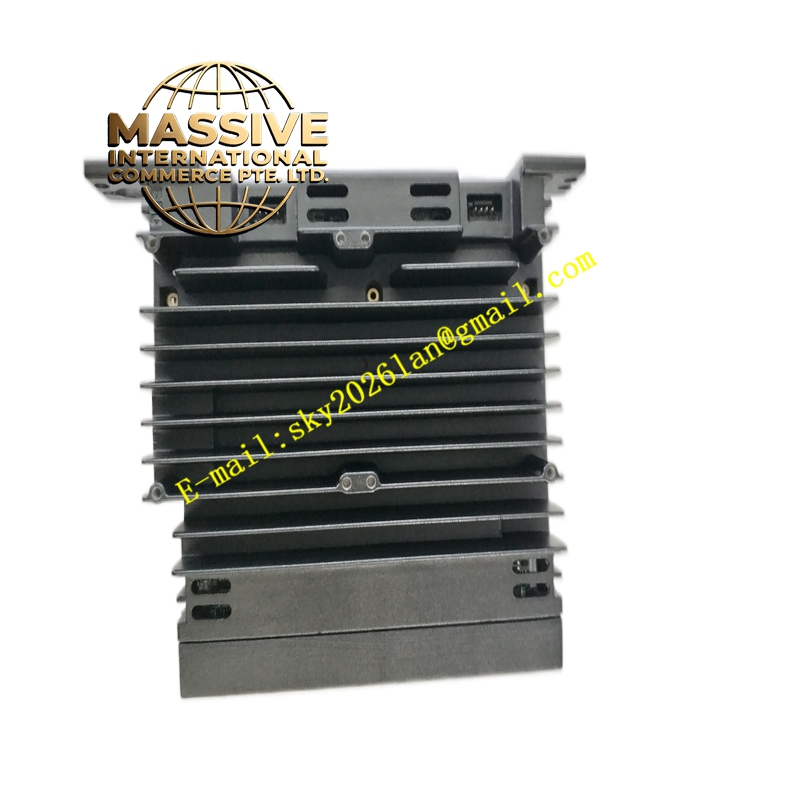
Description
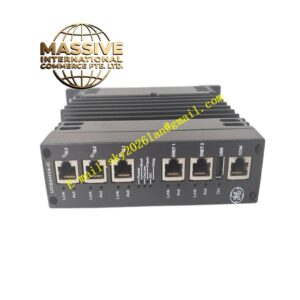
GE IS420UCSBH1A Technical Specifications:
- Port Count: Multiple isolated serial ports (typically 2 or 4).
- Protocol Support: RS-232, RS-485, and RS-422 (software selectable).
- Baud Rates: Configurable from 1200 to 115.2K baud.
- Isolation: Full galvanic isolation between ports and backplane.
- Handshaking: Hardware RTS/CTS support for RS-232.
Functional Features:
- Multi-Protocol Flexibility: Software-configurable for different serial standards without hardware changes.
- High-Speed Communication: Supports up to 115.2K baud for fast data transfer.
- Noise Immunity: Robust isolation protects against ground loops and electrical noise.
- Plug-and-Play: Seamless integration with GE control software environments.
Application Scenarios:
- HMI and operator interface connectivity.
- Connection to barcode scanners, printers, and serial data loggers.
- Integration with legacy PLCs and third-party serial devices.
- Remote modem and dial-up communication.
Performance Parameters:
- Data Integrity: Hardware-level error checking and flow control.
- Response Time: Fast polling and data buffering for real-time applications.
- Electrical Protection: Built-in surge suppression and transient protection.
Material Composition & Structural Characteristics:
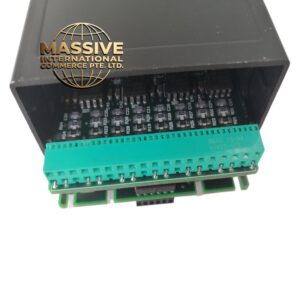
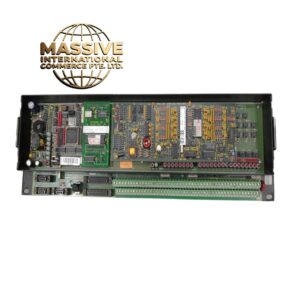
- PCB: Multi-layer board with integrated isolation transformers and optocouplers.
- Connectors: Standard DB9 or terminal block connectors for easy field wiring.
- Enclosure: Standard GE card form factor with front-panel status LEDs.
- Components: Industrial-grade UARTs and isolation ICs.
Working Principle: The board receives data from the controller’s internal bus and formats it into serial frames based on the configured protocol and baud rate. The data is transmitted through isolated transceivers to external devices. Incoming serial data is validated, buffered, and passed to the controller. The isolation barriers prevent ground potential differences from corrupting data or damaging equipment.
Installation Requirements:
- Slot Compatibility: Install in a compatible UC2000 or Mark VIe communication slot.
- Cable Type: Use shielded serial cables with proper grounding.
- Software Setup: Configure port parameters (baud, parity, stop bits) in the system configuration tool.
- Termination: Apply termination resistors for RS-485 networks as required.
Usage Precautions:
- Wiring Verification: Double-check pinouts before connecting devices to prevent cross-wiring.
- Baud Rate Matching: Ensure all devices on the same serial bus are configured with identical communication parameters.
- Isolation Integrity: Do not connect external grounds to the isolated serial ports.
- Diagnostics: Use loopback tests to verify port functionality during commissioning.