


Description
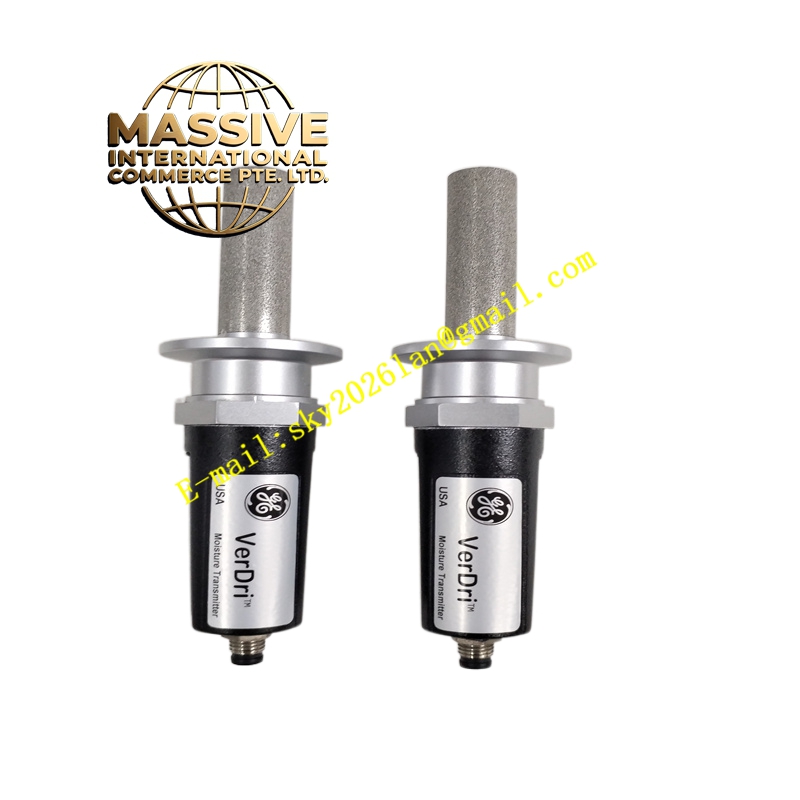
GE RANGE -80 TO 20°C Technical Specifications:
- Measurement Range: -80°C to 20°C.
- Sensor Type: RTD, Thermocouple, or Semiconductor (depending on specific part).
- Accuracy: High accuracy within the specified range.
- Response Time: Fast thermal response.
Functional Features:
- Low-Temperature Operation: Reliable performance in cryogenic or extreme cold conditions.
- Stability: Minimal drift over time and temperature cycles.
- Linearity: Excellent linearity within the measurement range.
Application Scenarios:
- Cryogenic storage and processing.
- Environmental chambers and test facilities.
- Aerospace and automotive cold testing.
- Industrial refrigeration and liquefaction.
Performance Parameters:
- Accuracy: ±0.1°C or better (typical).
- Stability: Low long-term drift.
- Response Time: Seconds to sub-second.
Material Composition & Structural Characteristics:
- Sensor Element: Platinum RTD, Type T/K thermocouple, or silicon diode.
- Sheath: Stainless steel or other low-temperature compatible material.
- Insulation: Low-temperature rated insulation.
Working Principle: The sensor’s electrical property (resistance, voltage) changes predictably with temperature. This change is measured and converted to a temperature reading using standard calibration curves.
Installation Requirements:
- Mounting: Ensure good thermal contact with the measured medium.
- Wiring: Use low-temperature rated cables.
- Calibration: Calibrate at multiple points within the range.
Usage Precautions:
- Range Limits: Do not exceed the -80°C to 20°C range.
- Condensation: Protect against moisture ingress during thermal cycling.
- Handling: Avoid mechanical shock at low temperatures.