


Description
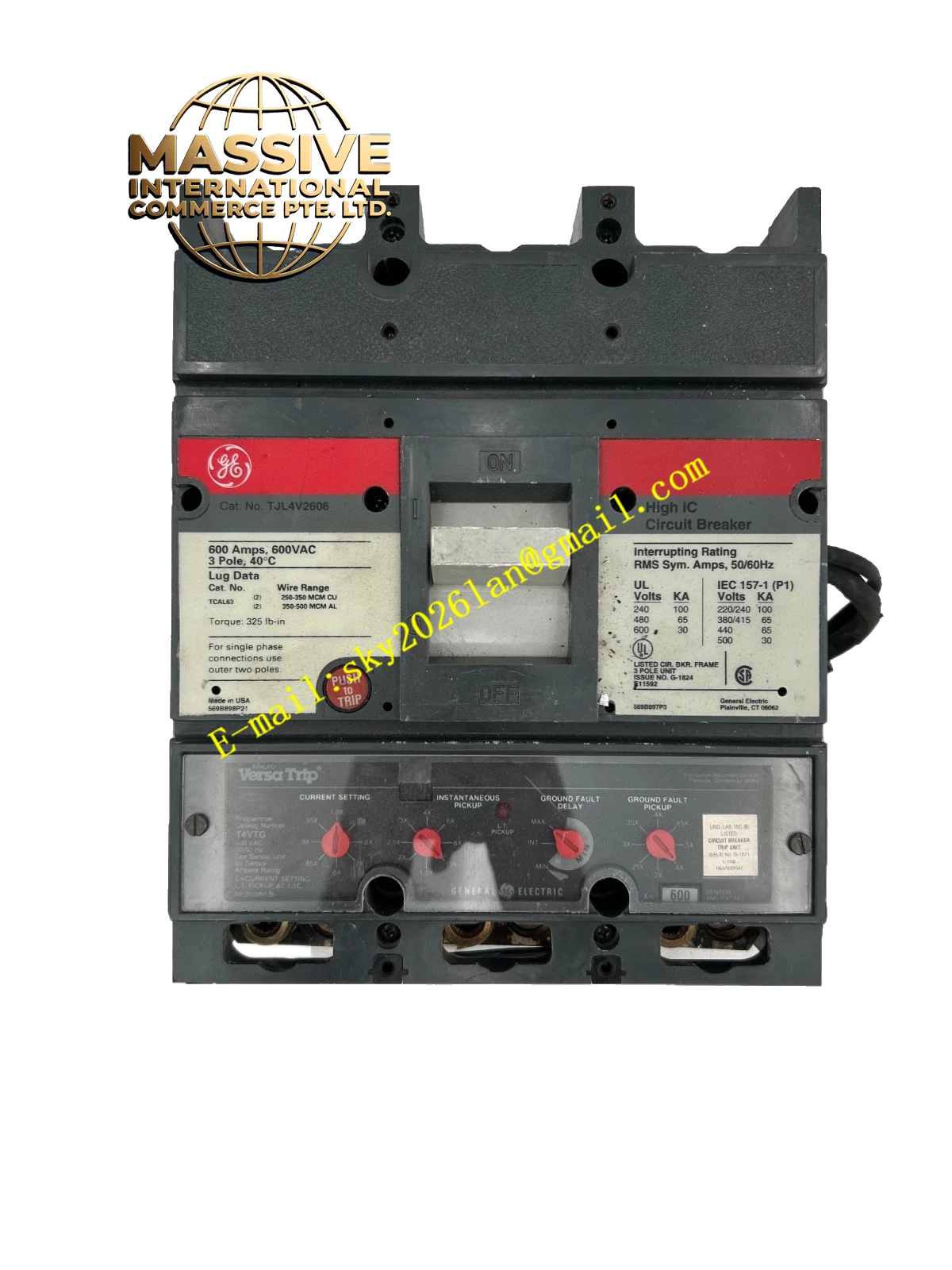
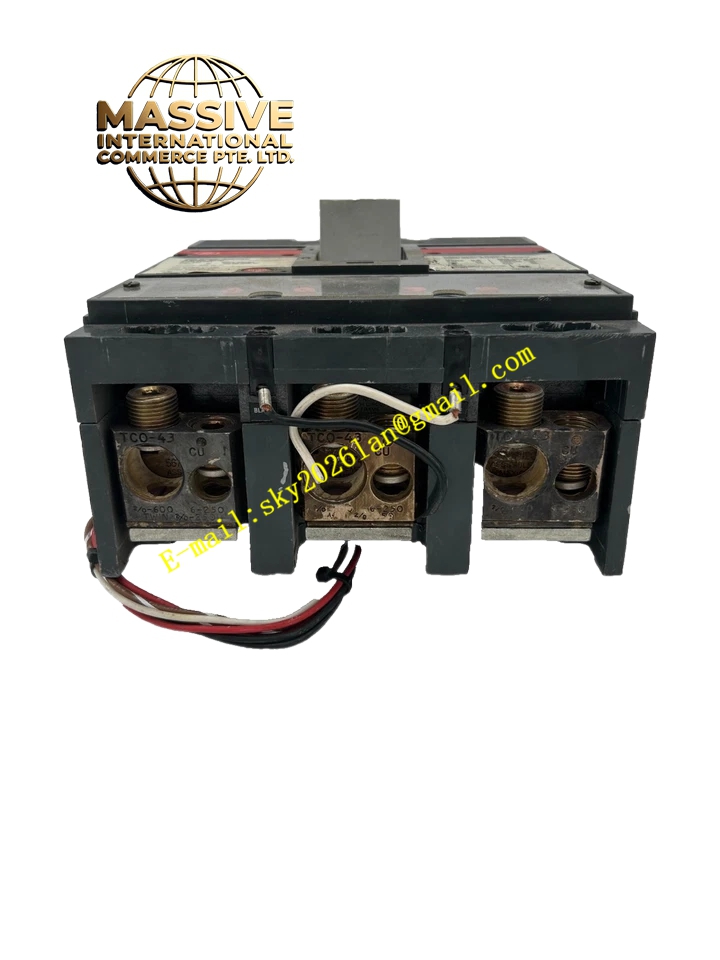
GE TJL4V2606
Technical Specifications
- Product Type: Industrial Rotary Encoder.
- Series: GE TJL Series.
- Signal Output: Digital pulse output for high-resolution position tracking.
- Compatibility: Designed for seamless integration with GE drive and control systems.
Functional Features
- High-Resolution Feedback: Provides precise positional data for accurate speed and torque control.
- Robust Signal Integrity: Engineered to maintain signal accuracy in electrically noisy industrial environments.
- Bidirectional Sensing: Capable of detecting both rotational speed and directional movement.
Application Scenarios
- Motor Control: Essential for closed-loop speed and position control in AC/DC drives.
- Industrial Machinery: Used in CNC machines, robotics, and precision manufacturing equipment.
Performance Parameters
- Accuracy: High-resolution pulse generation for minimal positional error.
- Durability: Designed to withstand high vibration and mechanical shock.
Material Composition
- Housing: Ruggedized metal or high-strength industrial plastic enclosure.
- Internals: Precision optical or magnetic sensing elements and industrial-grade electronics.
Structural Characteristics
- Form Factor: Compact cylindrical or modular shaft encoder design.
- Mounting: Standard industrial shaft coupling or flange mounting.
Working Principle
The encoder converts the mechanical rotation of a shaft into digital electrical pulses. These pulses are transmitted to the control system, which calculates the exact speed, position, and direction of the connected machinery.
Installation Requirements
- Ensure precise shaft alignment to prevent mechanical wear and signal jitter.
- Use shielded cables for signal transmission to minimize electromagnetic interference.
Usage Precautions
- Avoid exceeding the maximum rated shaft speed.
- Protect the encoder from excessive dust, moisture, and mechanical impacts.