


Description
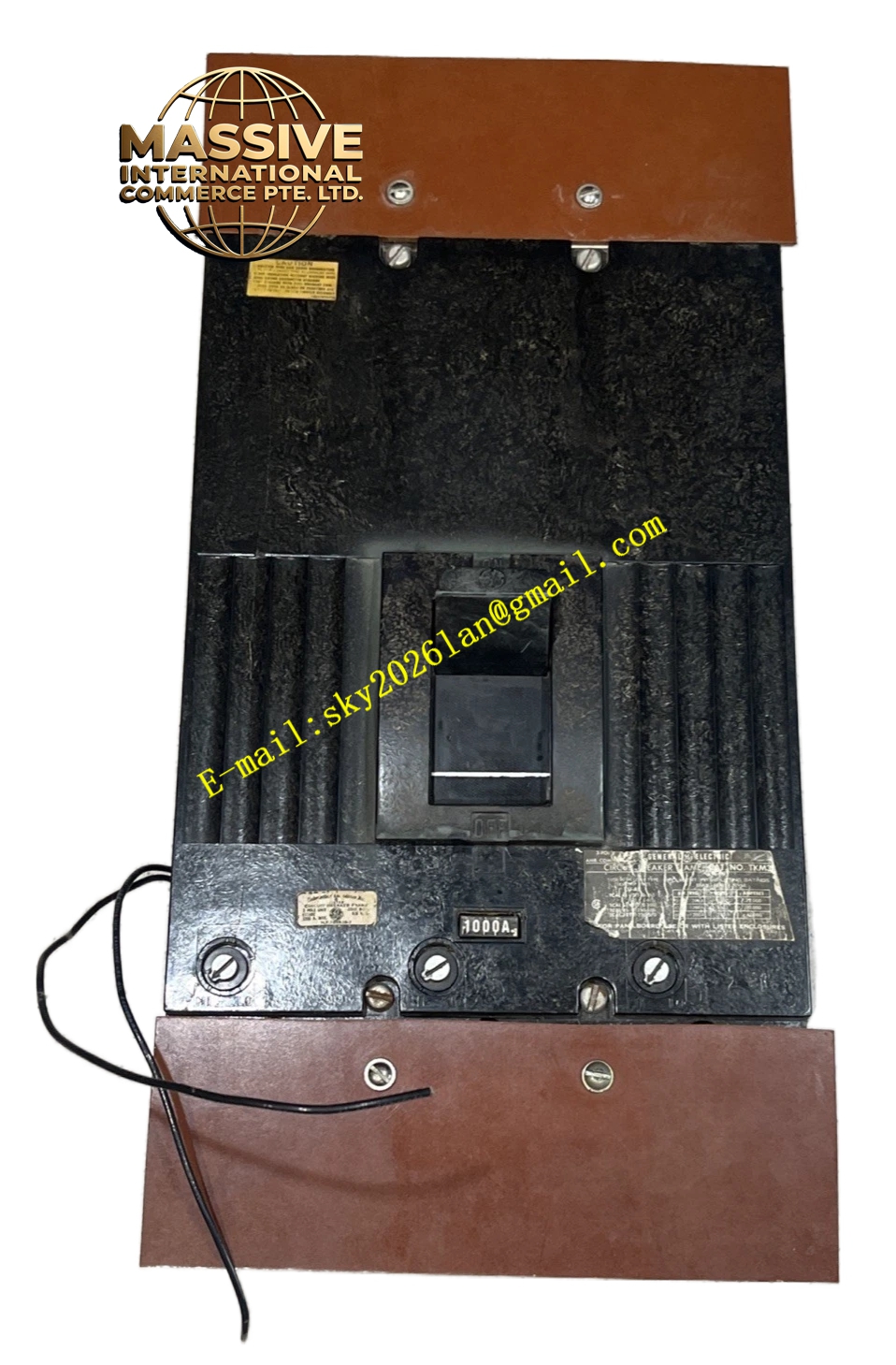
GE TKM3F
Technical Specifications:
- Brand: General Electric (GE)
- Model: TKM3F
- Product Type: Industrial Molded Case Circuit Breaker
- Current Rating: 1200 Amps (with 1000 Amp Trip)
- Face Style: Green Face
Functional Features:
- Overcurrent Protection: Automatically detects and interrupts short circuits and overload conditions to protect downstream equipment.
- Adjustable Trip Unit: Features a 1000A trip setting within a 1200A frame, allowing for precise coordination with upstream and downstream protective devices.
- Safe Isolation: Provides a visible and reliable disconnect point for maintenance and safety compliance.
Application Scenarios:
Widely deployed in main power distribution panels, heavy manufacturing plants, industrial motor control centers (MCCs), and commercial building switchgear.
Performance Parameters:
- Interrupting Capacity: High short-circuit interrupting rating to safely clear severe fault currents.
- Mechanical Endurance: Designed for thousands of open/close operations with minimal mechanical wear.
Material Composition:
Encased in a high-strength, flame-retardant thermoset plastic housing. Features silver-alloy contacts for low resistance and high arc resistance, along with robust copper busbars.
Structural Characteristics:
Compact, ruggedized form factor with a distinctive green faceplate. Includes a manual operating handle, mechanical position indicator, and standardized terminal connections.
Working Principle:
When the current exceeds the 1000A trip threshold, the internal thermal-magnetic or electronic trip unit activates a mechanical latch. Stored spring energy rapidly separates the contacts, extinguishing the resulting arc within the arc chute and isolating the circuit.
Installation Requirements:
Must be securely mounted on a flat, stable panel surface. All power cable lugs must be torqued to the manufacturer’s exact specifications to prevent thermal runaway.
Usage Precautions:
Always verify the circuit is de-energized and locked out/tagged out before servicing. Never exceed the rated voltage or current capacity, and perform periodic contact resistance testing.