


Description
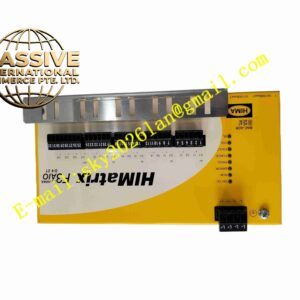
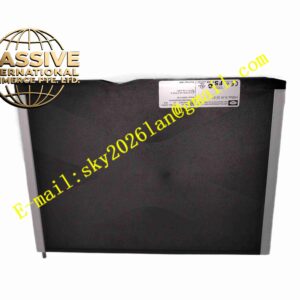
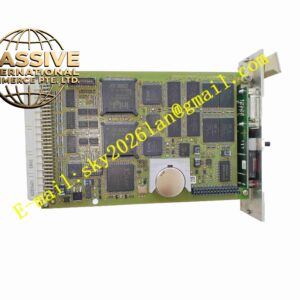
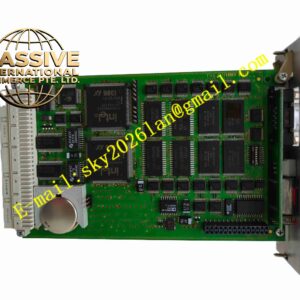
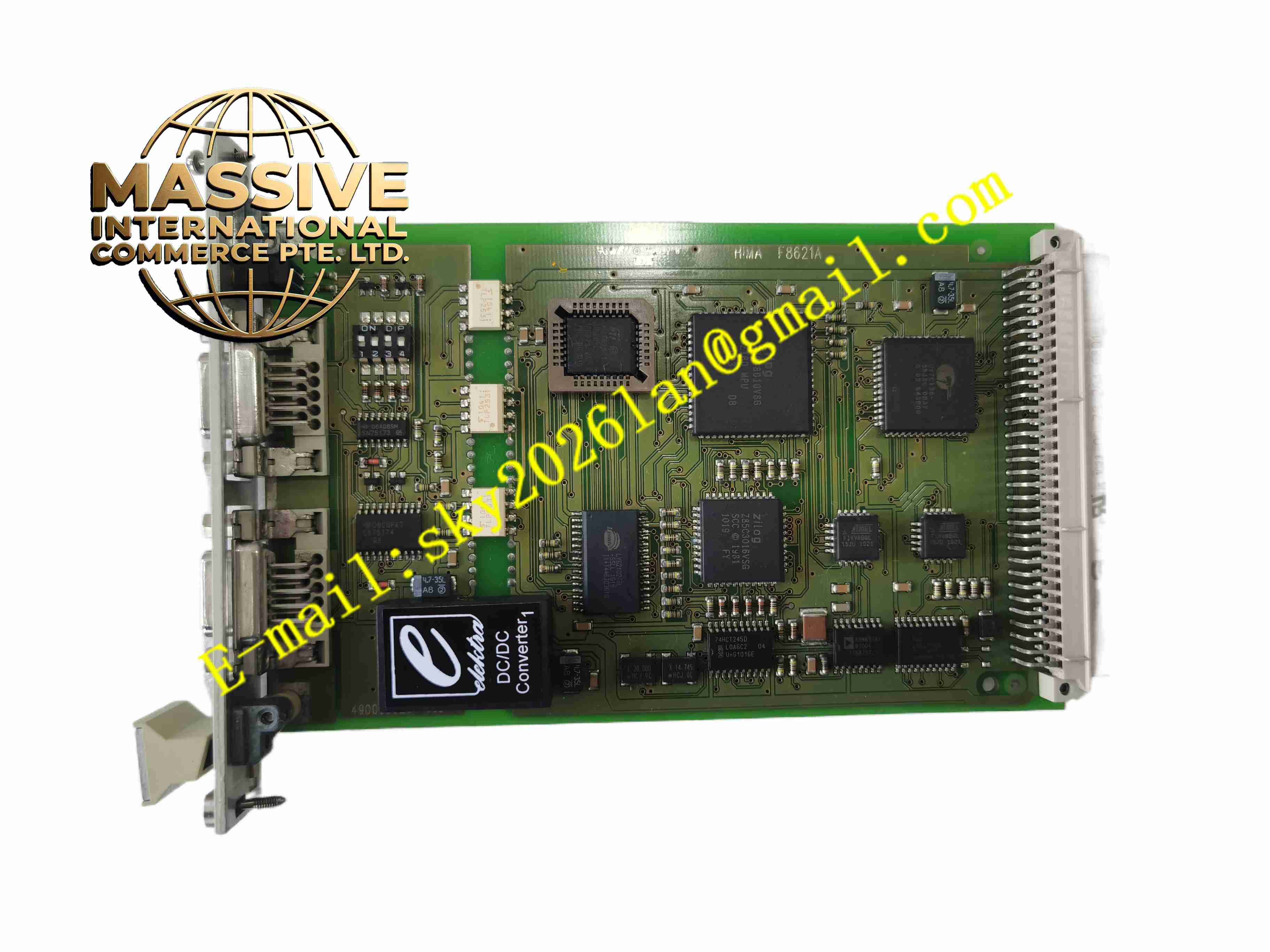
HIMA F8621A Communication / Processor Module
Technical Specifications
- Brand: HIMA
- Model: F8621A
- Product Type: Communication module / processor module
- System Platform: HIMA safety instrumented system
- Communication Function: Supports data exchange between HIMA controllers, I/O modules, and external systems
- Protocol Support: May support Modbus, Profibus, Ethernet-based protocols, or serial communication depending on hardware version
- Serial Interface: May include RS-485 ports for industrial communication
- Power Supply: Typically supplied from the HIMA system rack or dedicated power module
- Mounting Type: Rack-mounted or backplane-mounted module
- Environmental Suitability: Indoor industrial control cabinets
Functional Features
- System Communication: Enables data transfer between safety controllers and external devices.
- Integration Support: Helps connect HIMA safety systems with PLCs, DCS, SCADA, or engineering tools.
- Diagnostic Feedback: Provides status and fault information for system monitoring.
- Safety System Compatibility: Operates within HIMA safety architectures.
- Configurable Parameters: Supports communication settings such as baud rate, address, and protocol options where applicable.
- Industrial Reliability: Designed for continuous operation in demanding process environments.
- Modular Maintenance: Can be replaced as part of the HIMA system without replacing the entire controller.
Application Scenarios
- Emergency shutdown systems
- Fire and gas detection systems
- Burner management systems
- Oil and gas processing facilities
- Chemical and petrochemical plants
- Power generation safety systems
- Pipeline and terminal control systems
- Industrial process monitoring and interlock systems
Performance Parameters
- Communication Stability: Provides reliable data exchange within supported system configurations.
- Diagnostic Coverage: Supports fault detection and status reporting.
- Integration Flexibility: Compatible with multiple industrial communication interfaces depending on version.
- Operating Life: Designed for long-term industrial service.
- Environmental Resistance: Suitable for controlled indoor industrial environments.
Material Composition
- Module Housing: Industrial-grade enclosure for mechanical and electrical protection.
- PCB: High-reliability printed circuit board with communication and processing circuits.
- Communication Interface: Ethernet, serial, or fieldbus interface circuits depending on version.
- Processor Circuit: Microprocessor or co-processor for communication and logic support.
- Protection Components: Overvoltage, overcurrent, and transient suppression devices.
- Status Indicators: LEDs for power, communication, fault, and operating status.
Structural Features
- Rack-Mount Design: Installs into HIMA system chassis or compatible backplane.
- Front Panel Indicators: Provides visible status feedback for operation and diagnostics.
- Communication Ports: Supports connection to external controllers or networks.
- Compact Industrial Form Factor: Fits standard HIMA system slot configurations.
- Shielded Construction: Reduces electromagnetic interference in industrial environments.
- Serviceable Design: Supports replacement during system maintenance.
Working Principle
The F8621A exchanges data between the HIMA safety system and external devices or networks. It receives communication requests, processes protocol data, and forwards validated information to the safety controller or connected systems. When configured for serial or fieldbus communication, it manages addressing, data formatting, error checking, and diagnostic reporting. If a communication fault or internal error is detected, the module reports the condition to the safety system so that appropriate alarms or safety actions can be executed.
Installation Requirements
- Verify compatibility with the HIMA system before installation.
- Install in a dry, clean, and well-ventilated control cabinet.
- Ensure the rack power supply matches module requirements.
- Connect communication cables according to the system design.
- Use proper shielding and grounding for serial or network communication.
- Configure communication parameters before commissioning.
- Perform functional testing after installation.
Precautions for Use
- Do not exceed the rated supply voltage or environmental limits.
- Do not modify communication parameters without authorization.
- Verify network addressing and protocol settings before operation.
- Do not bypass diagnostic or safety functions.
- Replace failed modules with the same model and hardware version.
- Keep configuration backups before maintenance.
- Only qualified safety system engineers should configure or maintain the module.
- Refer to the official HIMA documentation for exact specifications.