


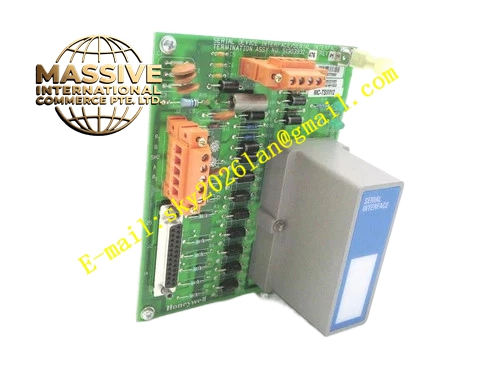
Description
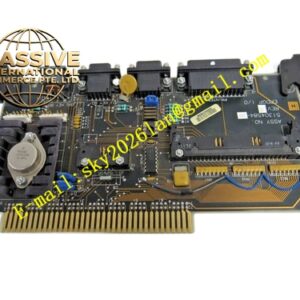
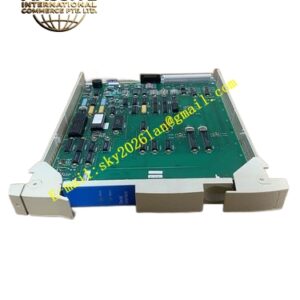
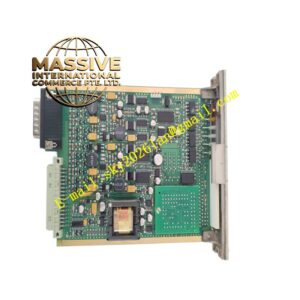
Honeywell 51303932-476
Technical Specifications LCN bus rate 5Mbps; 75Ω coaxial trunk signal matching circuit; galvanic isolation between coaxial LCN side and rack backplane side; backplane 5VDC power supply; built-in signal amplitude detection and CRC error checking; operating temperature 0℃ to 60℃; storage temperature -40℃ to 85℃; humidity 5% to 95% non-condensing; supports LCN network signal attenuation diagnosis.
Functional Features It performs impedance matching for LCN coaxial trunk cable to eliminate signal reflection. It receives LCN network frames, carries out CRC verification, and transmits valid frames to the node processor via rack backplane. It packages outgoing messages from the node processor into LCN protocol frames and sends them to the coaxial trunk. It monitors signal amplitude and bit error rate of LCN bus and reports communication faults to node firmware. It provides electrical isolation to block ground potential difference between different node cabinets.
Application Scenarios LCN network interface for TDC3000 NIM network interface manager nodes; LCN trunk signal interface for refinery universal station racks; spare replacement interface board for TPS history module nodes; maintenance spare card for petrochemical plant legacy TDC3000 systems.
Performance Parameters Signal impedance is precisely matched to 75Ω LCN coaxial cable; frame CRC check covers complete payload; bus error statistics update in real time; isolation circuit suppresses common-mode interference between different control cabinets.
Material Composition Multi-layer high-speed FR4 PCB with G3 conformal coating; high-frequency signal transceiver and isolation components; gold-plated backplane edge connector; front panel cold rolled steel with anti-corrosion coating; coaxial signal connector with nickel plated shell.
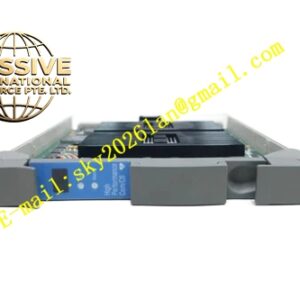
Structural Characteristics Standard TDC3000 long vertical plug-in card; front panel with LCN receive, transmit and fault LED indicators; BNC coaxial connector for LCN trunk cable on front panel; elastic locking latches on both sides; passive convection cooling design.
Working Principle LCN differential signal from coaxial trunk enters the module through BNC connector. The matching and isolation circuit adjusts signal amplitude and isolates ground interference. The transceiver chip decodes LCN protocol frames and transmits verified data to the K4LCN processor board via rack backplane. Outgoing packets from the processor are encoded into LCN electrical signals and sent onto the coaxial trunk. The diagnostic circuit continuously monitors signal quality and bit error count.
Installation Requirements Insert the board into the LCN communication slot of TDC3000 node rack. Connect 75Ω shielded LCN coaxial cable to the BNC connector. Terminate the two physical ends of the whole LCN trunk with 75Ω resistors. Route coaxial cable separately from high power AC cables. Cabinet single-point grounding resistance ≤4Ω.