


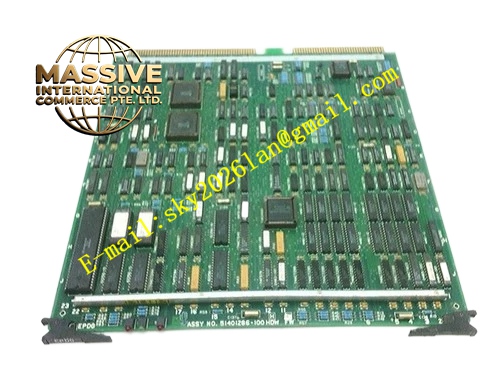
Description
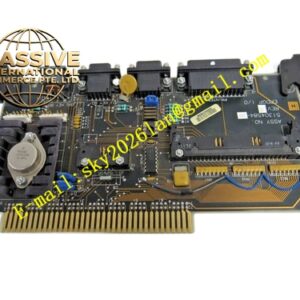
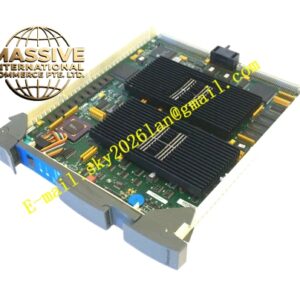
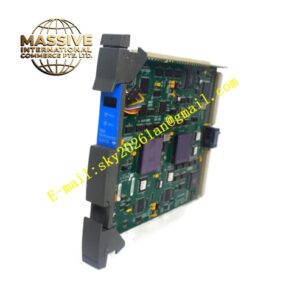
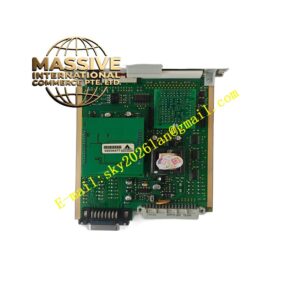
Honeywell 51404223-001
Technical Specifications Supports multiple thermocouple types and 2/3/4-wire RTD sensors; built-in precision cold junction compensation sensor; high-precision 16-bit analog-to-digital conversion chip; per-channel passive hardware filter; backplane communication with rack controller; power supply from rack backplane; operating temperature 0℃ to 60℃; storage temperature -40℃ to 85℃; relative humidity 5% to 95% non-condensing; vertical plug-in rack card; UL and CE certification.
Functional Features It receives low-level millivolt signal from thermocouple and resistance signal from RTD. It carries out cold junction compensation to eliminate thermocouple reference junction temperature error. It filters high-frequency interference noise superimposed on temperature signal lines. It converts conditioned analog temperature signal into digital value through A/D conversion. It detects sensor open circuit and short circuit fault and uploads fault alarm to rack controller. It transmits digital temperature data to DCS host through backplane bus.
Application Scenarios Multi-point furnace temperature acquisition for power plant TDC3000 DCS cabinets; thermocouple signal processing board for chemical plant reactor temperature monitoring racks; RTD temperature measurement spare card for refinery legacy DCS systems; temperature signal acquisition hardware for petrochemical plant batch reaction control cabinets.
Performance Parameters Temperature measurement accuracy meets industrial thermocouple and RTD standard; cold junction compensation error is controlled within module specification; A/D conversion sampling rate matches multi-channel temperature scanning requirement; fault detection response time is stable.
Material Composition Main circuit board is multi-layer FR4 PCB with G3 conformal coating; precision NTC cold junction compensation sensor; industrial grade A/D conversion chip; gold-plated backplane edge connector; front panel is anti-corrosion coated cold rolled steel; passive filter components are high precision resistors and capacitors.
Structural Characteristics Standard vertical plug-in card for legacy Honeywell DCS rack; front panel fitted with power, running and fault LED status indicators; edge connector with mechanical keying to prevent misinsertion; elastic locking latches on both sides of card body; passive convection cooling without fan.
Working Principle Field temperature sensor signals are transmitted to the board through rack termination wiring. Low-level signals enter signal conditioning and cold junction compensation circuit, then pass through hardware low-pass filter. The analog signal is converted into digital temperature value by high-precision ADC chip. The on-board logic compares measurement status and judges sensor fault. Valid temperature data and fault information are packaged and sent to rack controller via backplane communication bus.
Installation Requirements Insert the board into the dedicated signal acquisition slot of DCS rack. Lock the side latches after full insertion and backplane contact. Complete sensor type configuration through DCS engineering software. Separate temperature signal cables and high-voltage power cables in cabinet wiring. Ensure cabinet single-point protective grounding.
Usage Notes Do not connect high-level 4-20mA current signal to temperature input channels. Wear anti-static wrist strap during card replacement. Verify temperature reading consistency with standard temperature source after configuration modification. Do not modify on-board compensation circuit components on site. Keep the card surface free of dust accumulation.