


Description
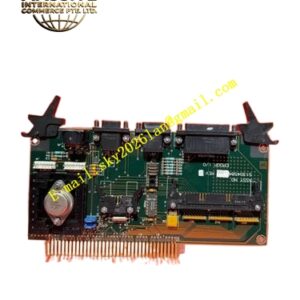
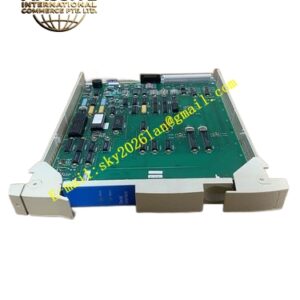
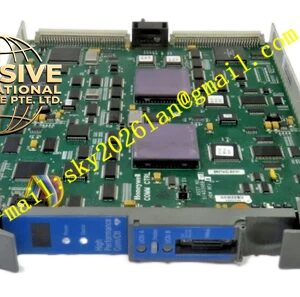
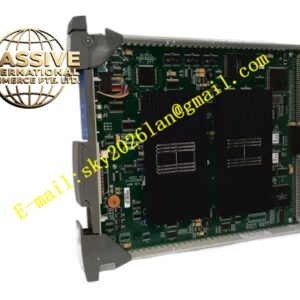
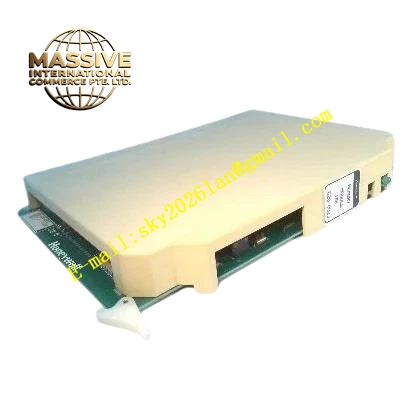
Honeywell 620-0023
Technical Specifications
- Channel Quantity: 8 relay output channels
- Contact Form: Form C dry contact (Normally Open / Normally Closed)
- Rated Contact Voltage: 250 VAC, 30 VDC
- Rated Contact Current: 3 A resistive load
- Channel Isolation: 1500 VAC optical isolation between logic side and contact side
- Backplane Interface: IPC620 I/O Link backplane bus
- Operating Temperature: 0 °C to +60 °C
- Power Consumption: 4.8 W maximum
- Hot Swap Support: Yes
Functional Features Independent relay coil drive circuit for each channel. Contact readback circuit detects actual contact position and reports contact welding fault. Front panel LED shows command state and relay actuation status for every channel. Contact arc suppression RC network reduces electrical wear on relay contact surface. Output state hold function retains last contact state during I/O Link communication interruption. Fault alarm flag uploads to PLC register when contact feedback mismatches command. All command frames pass CRC integrity check before relay actuation.
Application Scenarios Solenoid valve on-off control for fluid isolation loop Audible alarm horn and warning light drive circuit Auxiliary relay coil control for pump and fan interlock Fire suppression system discrete trigger output IPC620 PLC relay output expansion spare replacement
Performance Parameters
- Relay mechanical service life: 10,000,000 operations under no load
- Electrical service life: 100,000 operations at rated resistive load
- Contact switching time: 10 ms pull-in, 5 ms release
- Isolation withstand voltage: 1500 VAC for 60 seconds
- Fault detection response: Less than 150 ms for contact mismatch
Material Composition FR4 multilayer PCB, sealed miniature electromagnetic relays, optocoupler isolation chips, RC arc suppression resistor and capacitor assembly, TVS surge diodes, current limiting resistors, gold plated backplane edge connector, UL94 V0 plastic front panel.
Structural Features Standard eurocard plug-in form factor compatible with IPC620 rack slot. Rear gold edge connector mates with IPC620 backplane bus. Internal isolation barrier separates low voltage coil drive circuit and high voltage contact load circuit. Front panel LED array displays each relay channel status. Anti-keying notch prevents reversed insertion. Relay components are spaced apart to reduce heat accumulation under full load.
Working Principle I/O Link bus transmits digital on-off command from IPC620 CPU. Logic chip verifies CRC checksum and energizes corresponding relay coil through optocoupler isolation stage. Relay armature moves and switches Form C contact terminals. Readback circuit samples contact state continuously. If feedback state differs from commanded state, contact welding or open fault flag is asserted and transmitted back to controller. RC network absorbs inductive kickback energy at switching moment.
Installation Requirements Load voltage and current must not exceed relay contact rating. Inductive load must install external surge suppression device across load terminals. Field load wiring runs separately from low voltage signal cable. Configure contact state readback enable parameter in IPC programming software. Check relay action sequence and feedback signal after module installation.
Usage Notes Do not exceed contact rating for inductive load, inductive loads accelerate contact erosion. Contact welding fault cannot be reset until relay channel replacement. Do not energize load circuit before verifying contact wiring. Mechanical relay generates audible click during normal switching operation.